Dealing with persistently dry, cracked lips that don’t respond to regular lip balms feels incredibly frustrating. When your lips feel coarse, look dehydrated, and sometimes hurt despite trying multiple products, something deeper is happening beyond simple dryness. Understanding the underlying causes helps you finally find relief instead of cycling through products that make things worse.
Why do some lip balms make dry lips even worse?
The paradox of worsening dryness from lip balm confuses many people, but it happens for specific reasons. Many popular lip products contain ingredients that create a dependency cycle rather than healing the underlying problem. Certain waxes and petroleum-based ingredients sit on the lip surface without allowing proper moisture exchange. Your lips become reliant on constant reapplication because the barrier prevents natural healing processes.
Some common lip balm ingredients actively irritate sensitive lip tissue. Fragrances, flavoring agents, menthol, camphor, and phenol create a cooling or tingling sensation that feels refreshing initially but causes inflammation over time. This inflammation damages the delicate lip skin, making it drier and more sensitive. Salicylic acid, often added for exfoliation, can be too harsh for already compromised lips.
Preservatives like parabens and certain chemical sunscreen ingredients trigger contact dermatitis in susceptible individuals. The reaction manifests as persistent dryness, roughness, and sometimes burning or stinging. Even natural ingredients like lanolin, beeswax, or certain plant oils cause allergic reactions in some people. When you’re reacting to an ingredient, continued use perpetuates the problem rather than solving it.
The licking cycle makes matters worse. When lips feel dry and you apply an irritating product, the discomfort increases. You instinctively lick your lips for temporary relief, but saliva contains digestive enzymes that break down the protective lip barrier. As moisture evaporates, it pulls additional water from lip tissue, creating even more dryness. This vicious cycle continues until you remove the irritating product and allow healing.
What’s the difference between dry lips and lip dermatitis?
Regular dry lips respond well to hydration and basic lip care within a few days. Chronic lip conditions that persist for weeks or months despite treatment indicate something more complex. Lip dermatitis, also called eczematous cheilitis, involves inflammation of the lip tissue that goes beyond simple dryness.
Lip dermatitis often presents with rough, scaly texture that doesn’t smooth out with moisturizing. The lips may appear slightly swollen, red around the edges, or have fine cracks that don’t heal. Some people experience burning or stinging sensations, especially when applying products. The condition typically affects both lips, though severity may vary between upper and lower.
Angular cheilitis specifically affects the corners of the mouth with cracking, redness, and sometimes crusting. This condition often involves fungal or bacterial infection combined with irritation. Nutritional deficiencies, particularly B vitamins and iron, can contribute to angular cheilitis.

Allergic contact cheilitis results from specific allergen exposure. The reaction may take hours or days to develop after contact, making the culprit difficult to identify. Common allergens include fragrances in lip products, metals in lipstick tubes, dental care products, certain foods, and even ingredients in medications that touch the lips.
Exfoliative cheilitis causes continuous peeling and shedding of lip skin. The peeling becomes compulsive for some people, creating a cycle of removal and regrowth that never allows proper healing. This condition often has psychological components alongside physical factors.
Could the problem be an allergic reaction instead of dryness?
Allergic reactions to lip products can develop suddenly even after years of using the same items. The immune system changes over time, and cumulative exposure sometimes triggers sensitivity where none existed before. Adult-onset allergies to lip care ingredients, dental products, or even foods that contact the lips occur more commonly than people realize.
Contact dermatitis from lip products typically presents as persistent dryness, roughness, and inflammation that doesn’t improve with standard care. The reaction may start subtly with slight dryness, gradually progressing to more severe symptoms. Some people develop sensitivity to UV filters in lip balms with SPF, others react to vitamin E, and many react to synthetic fragrances marketed as “natural” scents.
Propolis, derived from bees, is a common allergen in lip products marketed for healing properties. Cinnamon flavoring and other spice-derived ingredients frequently cause allergic reactions. Even supposedly hypoallergenic products sometimes contain hidden allergens in preservative systems or emulsifiers.
Cross-reactivity complicates diagnosis. If you’re allergic to ragweed pollen, you might react to chamomile in lip balm. Birch pollen allergy can cross-react with certain fruit-based lip products. These connections aren’t obvious, making it difficult to identify problematic ingredients without systematic elimination or patch testing.
Toothpaste deserves special attention despite seeming unrelated to lip health. Sodium lauryl sulfate, a common foaming agent, causes perioral irritation in sensitive individuals. Flavoring agents, particularly cinnamon and mint, trigger reactions. Whitening ingredients and tartar control agents sometimes irritate the lips and surrounding skin through residual contact.
How does eczema affect the lips differently than regular skin?
Atopic dermatitis, commonly called eczema, can manifest on lips even without obvious symptoms elsewhere. Lips lack the protective layers that cover regular skin, making them more vulnerable to moisture loss and irritation. The absence of sebaceous glands means lips can’t produce protective oils like other skin areas.
Eczematous lips typically feel rough and papery with visible scaling that doesn’t respond to regular moisturization. The texture remains coarse even immediately after applying balm. Color changes occur, with lips appearing lighter or darker than normal, sometimes with a slightly grayish tone. Vertical lines become more pronounced as the skin loses elasticity.
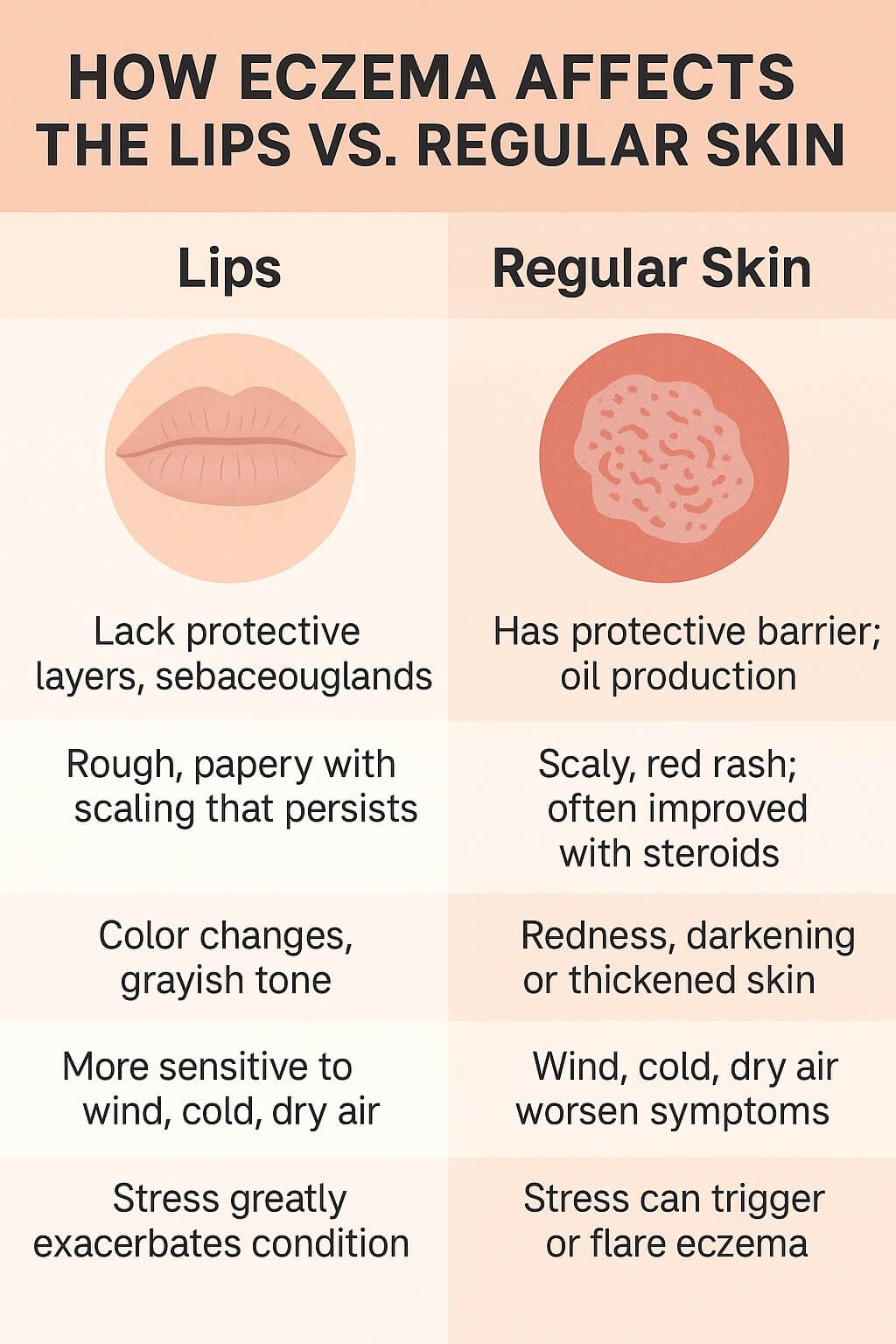
Unlike regular eczema that improves with corticosteroid creams, lip eczema requires specialized treatment. The thin, absorbent lip tissue absorbs medications more readily, requiring lower potency preparations. Overuse of steroids on lips can cause thinning, discoloration, and increased vulnerability to infection.
Environmental triggers affect lip eczema more severely than other areas. Wind exposure strips away moisture rapidly. Cold, dry air causes immediate discomfort. Indoor heating during winter months exacerbates symptoms. UV radiation from sun exposure damages already compromised lip tissue.
Stress worsens all forms of eczema through immune system effects and inflammatory responses. Many people notice their lip condition deteriorates during high-stress periods. Sleep deprivation similarly impacts skin barrier function and healing capacity.
What role does diet play in chronic lip dryness?
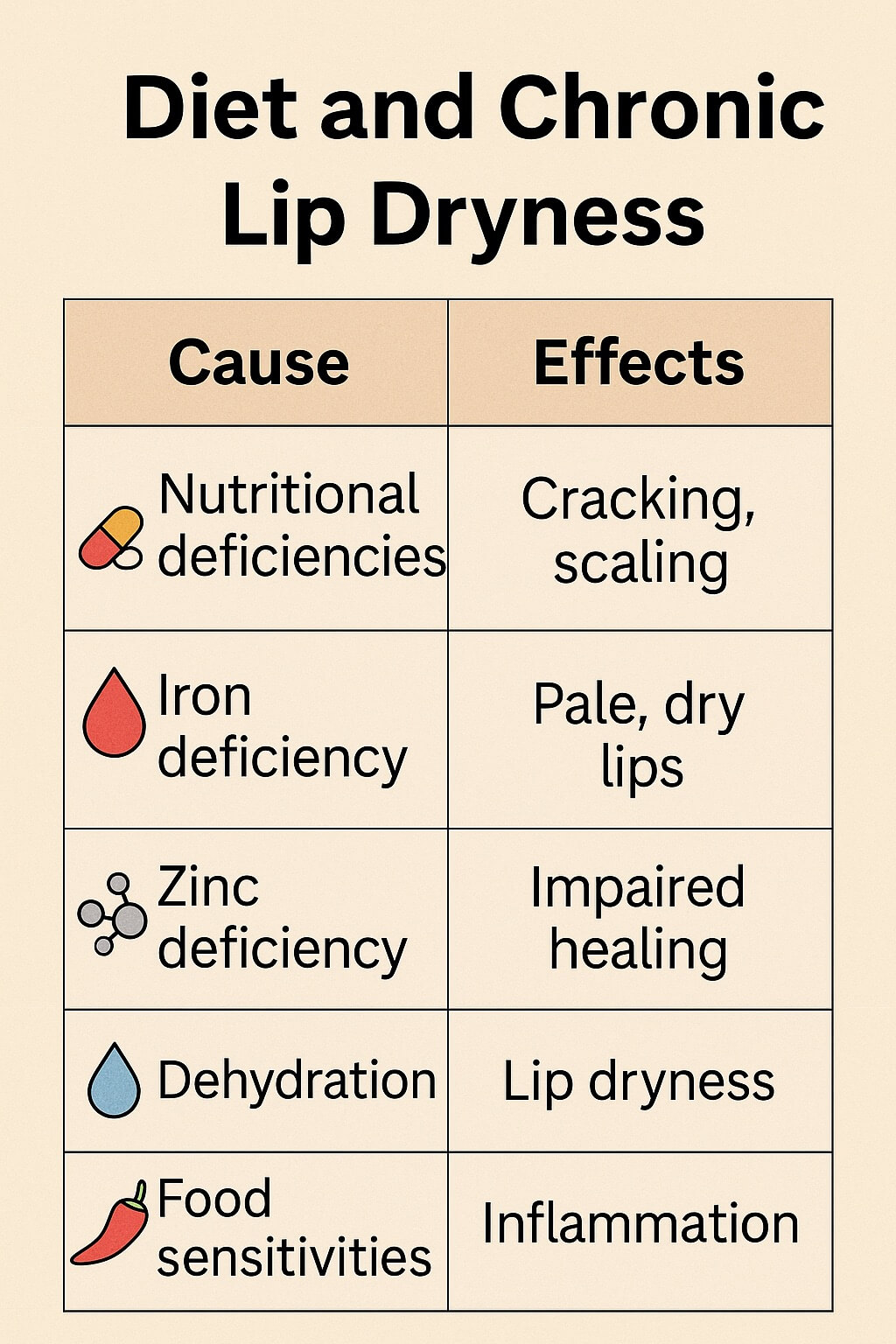
Nutritional deficiencies manifest in lip health before becoming obvious elsewhere. The rapidly turning over cells of lip tissue require consistent nutrient supply for proper regeneration. B vitamin deficiencies, particularly B2 (riboflavin), B3 (niacin), and B6, commonly cause lip problems including cracking, scaling, and angular cheilitis.
Iron deficiency affects oxygen delivery to tissues and impairs cell regeneration. Low iron frequently presents with pale lips, increased dryness, and cracks at the mouth corners. Zinc deficiency similarly impacts skin healing and barrier function. Essential fatty acid deficiency, though less common, causes widespread skin issues including chronically dry lips.
Dehydration affects everyone differently. While some people notice obvious signs throughout their body, others primarily experience lip dryness. Adequate water intake doesn’t just mean drinking eight glasses daily. Electrolyte balance, alcohol consumption, caffeine intake, and medication side effects all influence hydration status.
Food sensitivities sometimes manifest as lip inflammation. Acidic foods like citrus, tomatoes, and vinegar irritate sensitive lips. Spicy foods cause immediate burning but can also trigger longer-term inflammation. High-sodium foods pull moisture from tissues. Processed foods high in refined sugars promote inflammation throughout the body, including lip tissue.
Vitamin A toxicity from excessive supplementation paradoxically causes severe skin dryness including cracked, peeling lips. This happens less commonly than deficiency but deserves consideration if you take high-dose supplements or eat large amounts of liver regularly.
Why do lips get worse in certain seasons?
Winter presents obvious challenges with cold temperatures and low humidity stripping moisture from exposed lip tissue. Indoor heating further dries the air, creating desert-like conditions. The combination of outdoor cold and indoor heat creates dramatic moisture gradients that stress lip tissue.
Summer brings different problems. Sun exposure damages lip tissue through UV radiation, causing inflammation, dryness, and increased cancer risk. Air conditioning removes humidity from indoor air similar to heating systems. Chlorine from swimming pools strips protective oils and irritates sensitive tissue. Salt water from ocean swimming has similar effects.
Seasonal allergies affect lip health indirectly. Hay fever sufferers often breathe through their mouths, increasing air exposure that dries lips. Antihistamine medications reduce saliva production, contributing to dryness. The inflammatory state created by allergies can manifest in lip tissue even without direct allergen contact.
Spring and fall transitions challenge the body’s adaptation mechanisms. Fluctuating temperatures and humidity levels prevent lips from achieving equilibrium. These transition periods often bring flares of underlying conditions like eczema.
Behavioral changes between seasons matter too. Winter prompts more lip licking due to dryness, perpetuating the problem. Summer brings different products onto lips including flavored drinks, popsicles, and other items that may irritate. Understanding these seasonal patterns helps you anticipate and prevent problems.
What medical conditions cause persistently dry lips?
Sjögren’s syndrome, an autoimmune disorder, attacks moisture-producing glands throughout the body. While best known for dry eyes and mouth, it significantly impacts lip moisture. The condition typically develops in middle age and affects women more frequently than men. Along with dry lips, people experience difficulty swallowing dry foods and increased dental cavities.
Thyroid disorders disrupt metabolism throughout the body, including skin and lip health. Hypothyroidism commonly causes dry, rough skin and lips. The slowed metabolism affects cell turnover and oil production. Hyperthyroidism can also cause skin changes, though typically in different patterns.
Diabetes affects hydration status and increases infection risk. High blood sugar pulls water from tissues, contributing to dryness. Impaired immune function makes fungal and bacterial lip infections more likely. Neuropathy can reduce sensation, leading to unconscious lip biting or picking.
Inflammatory bowel diseases like Crohn’s and ulcerative colitis sometimes present with oral symptoms including lip swelling, cracking, and persistent dryness. These conditions affect nutrient absorption, potentially creating deficiencies that manifest in lip health.
Certain medications cause lip dryness as a side effect. Retinoids used for acne dramatically dry all mucous membranes. Blood pressure medications, antihistamines, and some antidepressants reduce moisture production. Chemotherapy affects rapidly dividing cells, including those in lip tissue.
How can you identify what’s actually causing your lip problem?
Systematic elimination helps identify trigger ingredients or foods. Stop using all lip products for at least one week, using only plain petroleum jelly or a single-ingredient oil like coconut or olive oil. If improvement occurs, you know the previous products contained irritating ingredients. Slowly reintroduce products one at a time, waiting several days between additions to observe reactions.
Keep a detailed log of everything that touches your lips including food, drinks, dental products, cosmetics, and medications. Note symptom severity daily. Patterns often emerge showing correlation between specific exposures and symptom flares. This information proves invaluable for identifying triggers.
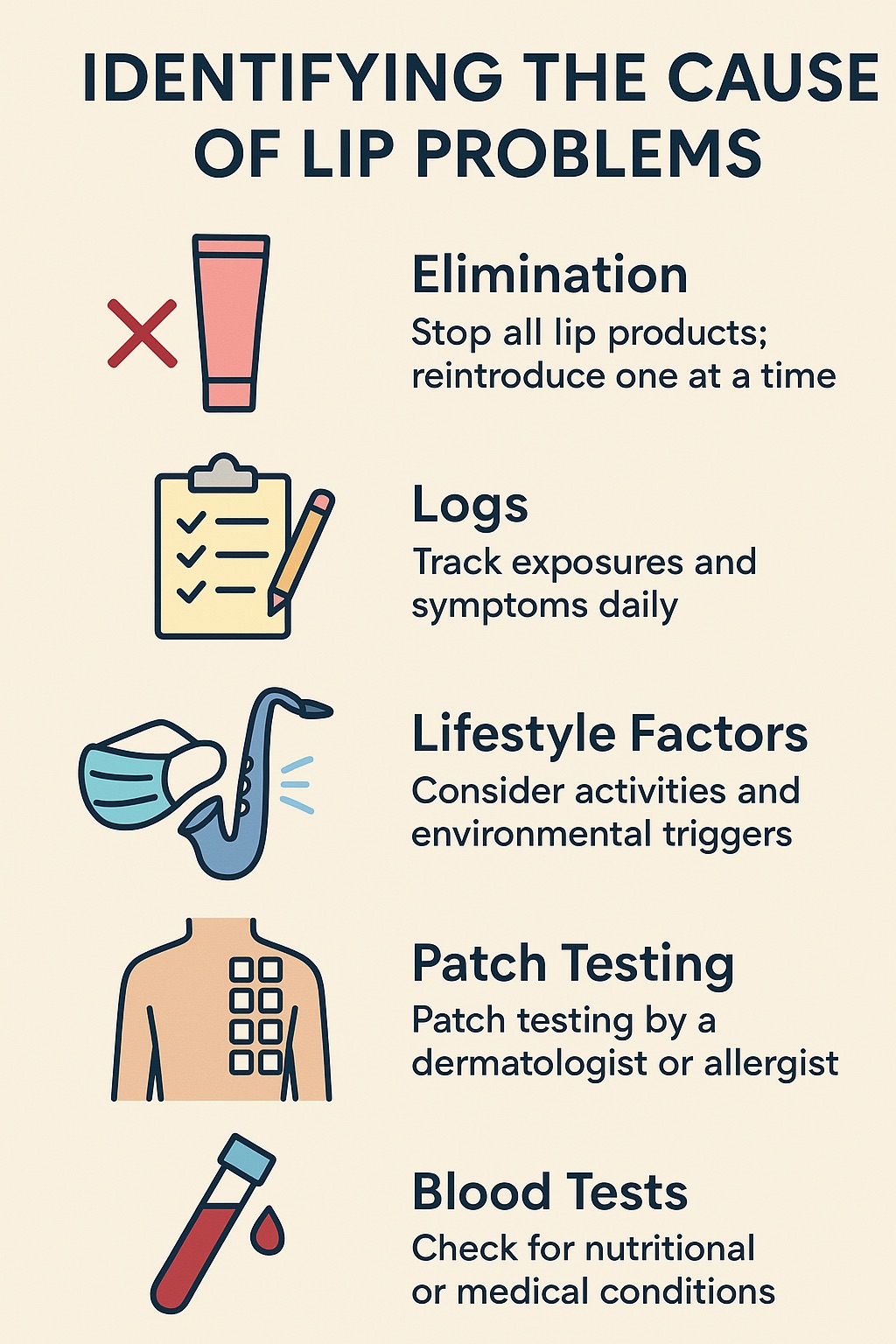
Consider your environment and lifestyle factors. Does your job involve chemical exposure, excessive talking, or prolonged mask wearing? Do you play wind instruments? Do you habitually lick your lips when concentrating? These behaviors and exposures contribute to lip problems in ways you might not recognize.
Patch testing by a dermatologist or allergist identifies contact allergies definitively. Small amounts of common allergens are applied to your back and monitored for reactions over several days. This testing reveals sensitivities you can’t identify through elimination alone. The comprehensive panels test dozens of potential allergens including fragrance mixes, metals, preservatives, and topical medications.
Blood tests can identify nutritional deficiencies, thyroid problems, and autoimmune conditions that manifest in lip symptoms. Don’t assume adequate diet means adequate nutrient levels. Absorption problems, genetic variations, and increased needs from stress or illness can create deficiencies despite reasonable nutrition.
What treatments actually work for chronically dry lips?
Prescription topical immunomodulators like tacrolimus or pimecrolimus work differently than steroids, making them suitable for long-term lip use. These medications suppress the immune overreaction causing inflammation without the thinning effects of corticosteroids. They require consistent application for several weeks before showing full effects.
Low-potency corticosteroid ointments can break the inflammation cycle during acute flares. Medical-grade formulations specifically designed for delicate areas work better than standard creams. Short-term use under medical supervision avoids the complications of prolonged steroid exposure on lips.
Barrier repair ointments containing ceramides, cholesterol, and fatty acids help rebuild damaged lip tissue. These ingredients mimic the natural barrier components, supporting healing rather than just sealing in moisture. Medical-grade formulations contain higher concentrations and better ratios than over-the-counter products.
Prescription antifungal or antibacterial medications treat secondary infections that prevent healing. Angular cheilitis often requires combination therapy addressing both fungal and bacterial components. Resistant cases may need oral medications rather than just topical treatment.
Allergy medications including oral antihistamines and mast cell stabilizers reduce inflammatory reactions. These work systemically, decreasing the overall allergic response rather than just treating symptoms. For significant allergies, they need to be taken regularly rather than as needed.
Phototherapy using specific wavelengths of light can reduce inflammation in severe, treatment-resistant cases. This requires specialized equipment and medical supervision but offers options when other treatments fail.
What ingredients should you look for in lip products?
Simple formulations with fewer ingredients reduce the chance of reaction. Single-ingredient products like pure lanolin, plain petroleum jelly, or specific plant oils allow you to identify what works for your individual chemistry. Once you know your tolerances, you can carefully add additional ingredients.
Healing ingredients to seek include panthenol (provitamin B5) which attracts and holds moisture while supporting barrier repair. Allantoin soothes irritation and promotes healing. Bisabolol derived from chamomile provides anti-inflammatory benefits with lower allergy risk than whole chamomile extract.
Humectants like hyaluronic acid, glycerin, and sodium PCA draw moisture into lip tissue. These work best when layered under an occlusive ingredient that prevents evaporation. Using humectants alone in dry environments can actually increase water loss.
Emollients including shea butter, plant oils, and synthetic esters smooth and soften lip texture. These fill spaces between damaged cells, improving both comfort and appearance. Different emollients have varying weights and absorption rates. Finding one that feels comfortable encourages consistent application.
Antioxidants like vitamin E and green tea extract protect against environmental damage and support healing. Some people tolerate synthetic vitamin E better than natural forms, or vice versa. Finding your preferred form requires experimentation.
What ingredients should you absolutely avoid?
Menthol, camphor, and phenol create cooling sensations through mild irritation. While this feels refreshing temporarily, it damages sensitive lip tissue and prevents healing. These ingredients appear in many “medicated” lip balms marketed for treating chapped lips despite worsening the underlying problem.
Synthetic fragrances contain dozens of individual chemicals, many of which commonly cause allergic reactions. Even “unscented” products may contain masking fragrances. The only safe option for fragrance-sensitive individuals is “fragrance-free” which indicates no added scent compounds.
Salicylic acid, glycolic acid, and other chemical exfoliants work well for facial skin but are too harsh for compromised lip tissue. These ingredients remove damaged cells but also strip protective layers before they’ve fully formed. Healing lips need gentle care, not aggressive exfoliation.
Essential oils cause frequent allergic reactions despite natural origin. Peppermint, cinnamon, citrus, and tea tree oils are particularly problematic. Even lavender, typically considered gentle, triggers reactions in susceptible individuals. If you tolerate specific essential oils, proceed cautiously with low concentrations.
Dyes and colorants, whether natural or synthetic, commonly irritate sensitive lips. Red dyes particularly cause reactions. If you need or want color, mineral-based options tend to be better tolerated than organic dyes.
SPF filters protect against sun damage but certain chemical filters cause contact dermatitis. Mineral sunscreens using zinc oxide or titanium dioxide are less likely to irritate than chemical filters. However, some people react to the texture or find these options too drying.
How should you apply lip products for maximum benefit?
Application technique matters as much as product choice. Clean lips gently before applying treatment products. Avoid scrubbing or harsh cleansers that strip away protective elements. Lukewarm water with gentle patting dry prepares lips for product application.
Apply lip treatments in thin, even layers multiple times daily rather than thick applications once or twice. Frequent reapplication maintains consistent moisture and protection without creating buildup. Thick layers don’t absorb well and may actually prevent healing.
Nighttime application takes advantage of the body’s natural healing processes during sleep. Apply a generous layer of treatment product before bed, allowing it to work without interference from eating, drinking, or talking. Some people benefit from covering lips with a breathable fabric or mask to prevent unconscious licking during sleep.
Layering products strategically maximizes benefits. Apply a hydrating serum or treatment first, allowing it to absorb for a minute. Follow with a protective balm to seal in the treatment. This two-step approach addresses both healing and protection.
Avoid licking lips at all costs. The temporary moisture saliva provides evaporates quickly, taking additional water with it. The digestive enzymes in saliva actively break down the lip barrier. Breaking the licking habit requires conscious effort but dramatically improves healing.
When should you see a doctor about dry lips?
Persistent symptoms lasting more than two weeks despite proper care warrant medical evaluation. While mild dryness responds quickly to basic treatment, ongoing issues suggest underlying conditions requiring professional diagnosis.
Pain, burning, or significant discomfort indicates more than simple dryness. These symptoms suggest inflammation, infection, or allergic reaction needing medical attention. Don’t wait for symptoms to become severe before seeking help.
Bleeding, cracking that won’t heal, or visible changes in lip color or texture require evaluation. These signs may indicate more serious conditions including infections, nutritional deficiencies, or rarely, precancerous changes.
Spreading beyond the lip border to surrounding skin suggests contact dermatitis or other inflammatory conditions. Isolated lip involvement differs from conditions affecting perioral areas, requiring different diagnostic approaches.
Systemic symptoms accompanying lip problems including fatigue, joint pain, dry eyes, or difficulty swallowing indicate possible autoimmune or systemic disease. These combinations require comprehensive medical evaluation beyond dermatology.
Sudden onset of severe symptoms or rapid worsening suggests acute allergic reaction or infection. Swelling, intense redness, or blistering needs urgent evaluation to prevent complications.
Can you actually fix chronically dry lips permanently?
Permanent resolution depends on identifying and addressing the root cause. Allergic reactions resolve completely with strict avoidance of triggering ingredients. Nutritional deficiencies correct with proper supplementation or dietary changes. Treatment-responsive conditions like eczema can achieve long-term remission with appropriate management.
Chronic conditions like Sjögren’s syndrome or thyroid disorders require ongoing management rather than cure. However, proper treatment controls symptoms effectively, allowing normal lip comfort and appearance. Understanding your specific condition allows realistic expectations and appropriate treatment goals.
Many people experience complete resolution after identifying and eliminating triggering products. The recovery period varies from a few weeks to several months depending on the severity of damage and underlying factors. Patience during the healing process prevents premature abandonment of effective strategies.
Lifestyle modifications support long-term lip health. Staying hydrated, protecting lips from environmental extremes, managing stress, and maintaining good nutrition create conditions for optimal healing. These foundational elements work alongside specific treatments.
Some individuals need ongoing maintenance care even after achieving healing. This might mean daily application of specific products, seasonal adjustments, or periodic medical treatments. Understanding your individual needs allows you to maintain results rather than cycling through periods of improvement and relapse.
What home remedies actually help versus make things worse?
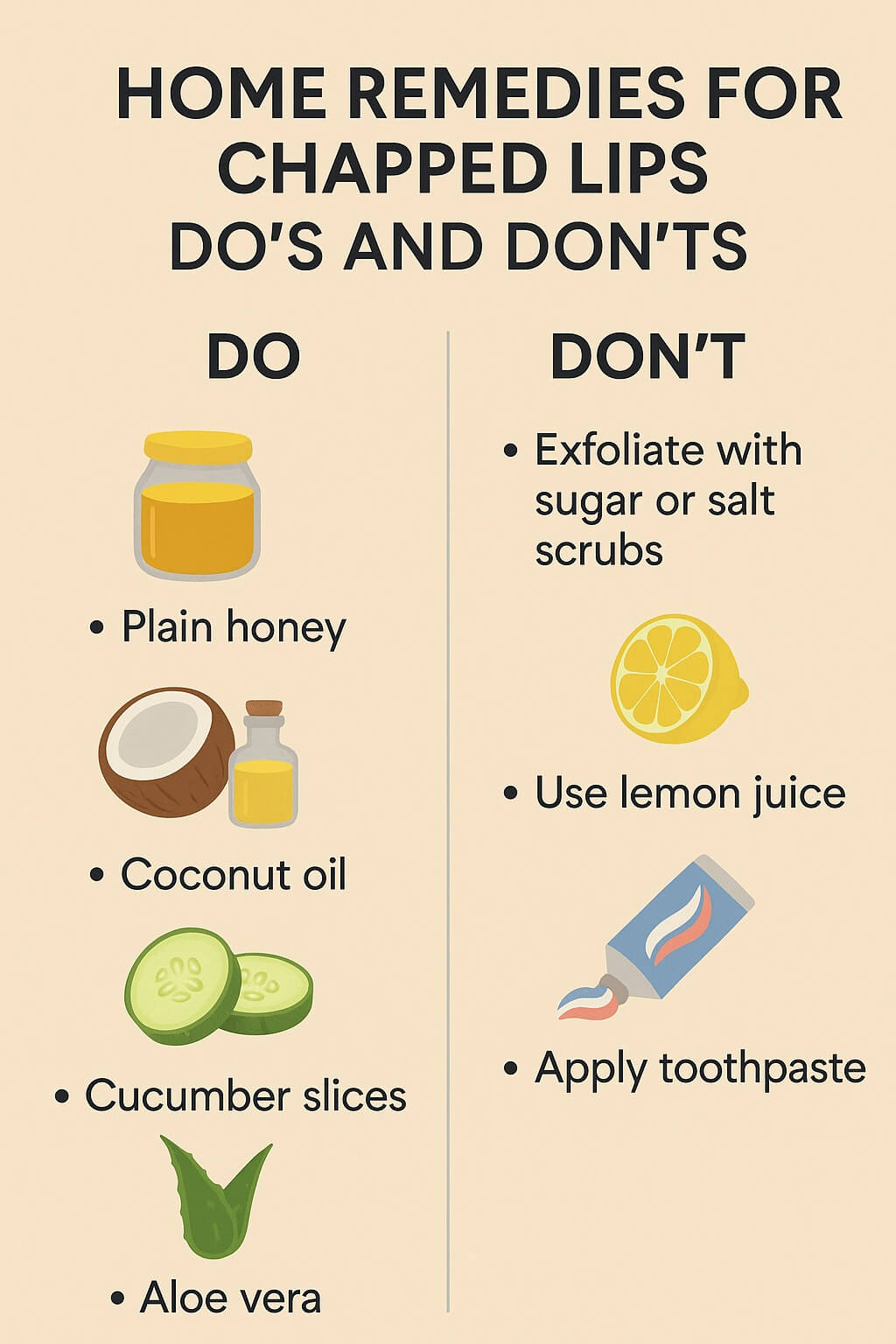
Plain honey has antimicrobial properties and wound-healing benefits. Medical-grade honey works better than grocery store varieties due to standardized antimicrobial activity. Apply thin layers, understanding that stickiness limits practical use. Some people react to bee-related products, so test carefully.
Coconut oil provides antimicrobial benefits and moisturization. Its semi-solid consistency at room temperature makes it practical for lip application. However, some people find it comedogenic or experience allergic reactions. The lauric acid content may irritate sensitive tissue in high concentrations.
Cucumber slices provide temporary soothing and mild hydration but don’t address underlying causes. They work well for immediate comfort but need follow-up with protective products.
Aloe vera soothes irritation and promotes healing. Pure aloe gel from the plant works better than processed products containing preservatives and additives. Some people experience allergic reactions to aloe, so test on a small area first.
Exfoliating with sugar or salt scrubs damages already compromised lip tissue. These harsh physical exfoliants remove protective layers and create micro-tears that increase vulnerability. Gentle care works better than aggressive treatment for healing lips.
Lemon juice causes chemical burns on damaged lip tissue. The citric acid provides no healing benefits and dramatically worsens irritation. Similarly, apple cider vinegar burns sensitive tissue despite popular recommendations.
Toothpaste application burns and irritates lips. This “remedy” circulates regularly but has zero scientific basis and causes actual harm. The surfactants, flavoring, and other ingredients in toothpaste are formulated for teeth, not delicate lip tissue.
How long does it take to heal chronically dry lips?
Timeline varies dramatically based on underlying causes and treatment approach. Allergic reactions improve within days of removing the triggering ingredient, though full healing takes two to four weeks. The lip barrier needs time to regenerate even after inflammation subsides.
Eczematous conditions require longer treatment periods, typically six to twelve weeks for significant improvement. The inflammation must resolve before healing begins, and the process can’t be rushed. Consistent treatment during this period determines success or failure.
Nutritional deficiency corrections show improvement within two to four weeks as nutrient levels rise. However, severely deficient individuals may need several months for complete resolution. The body prioritizes more critical functions before addressing cosmetic concerns like lip appearance.
Infection clearance happens relatively quickly with appropriate treatment, usually one to two weeks. However, the predisposing factors that allowed infection must be addressed to prevent recurrence.
Behavioral changes like stopping lip licking show benefits within one to two weeks as lips regain protective barriers. However, breaking ingrained habits takes conscious effort over several months.
Patience during the healing process prevents premature treatment changes that interfere with progress. Many people abandon effective treatments too quickly, never achieving the results that would come with consistent use. Documenting progress with photos or written notes helps maintain perspective during gradual improvement.
What preventive strategies keep lips healthy long-term?
Environmental protection prevents most lip problems. Wear protective balm before outdoor exposure in any weather. Wind, sun, and cold all stress lip tissue. Year-round protection matters, not just winter care.
Gentle handling prevents damage accumulation. Avoid picking, biting, or pulling at lip skin. These behaviors create immediate damage and establish patterns that interfere with healing.
Regular hydration supports all tissues including lips. Drink water consistently throughout the day rather than large amounts infrequently. Monitor hydration through urine color and adjust intake based on activity level, climate, and individual needs.
Nutrition provides building blocks for healthy tissue. Eat varied, nutrient-dense foods including vegetables, fruits, quality proteins, and healthy fats. Consider supplementation if dietary intake is inadequate or absorption is impaired.
Stress management reduces inflammation and supports immune function. Adequate sleep, regular physical activity, and relaxation practices benefit overall health including skin and lip condition.
Product simplicity reduces exposure to potential irritants. Choose fragrance-free, dye-free products with short ingredient lists. Introduce new products cautiously, one at a time, to identify reactions before they become severe.
Regular evaluation of products and practices catches problems early. If your lips start feeling dry despite usual care, investigate changes in products, diet, medications, or environment. Early intervention prevents minor issues from becoming chronic problems.