If you’re managing type 2 diabetes, you know the struggle is real. Maybe you had great success with low-carb eating for a while, but life got busy, stress piled up, and you fell off the wagon. Sound familiar? You’re not alone. Managing blood sugar isn’t just about knowing what to do—it’s about finding what actually works in your real, messy, busy life.
Let’s talk about the strategies that real people with diabetes swear by, backed by science and real-world experience.
The One Habit Everyone Agrees On: Walk After You Eat
Here’s something that doesn’t cost a penny and takes less time than brewing your morning coffee: walking right after meals. And the research backs it up big time.
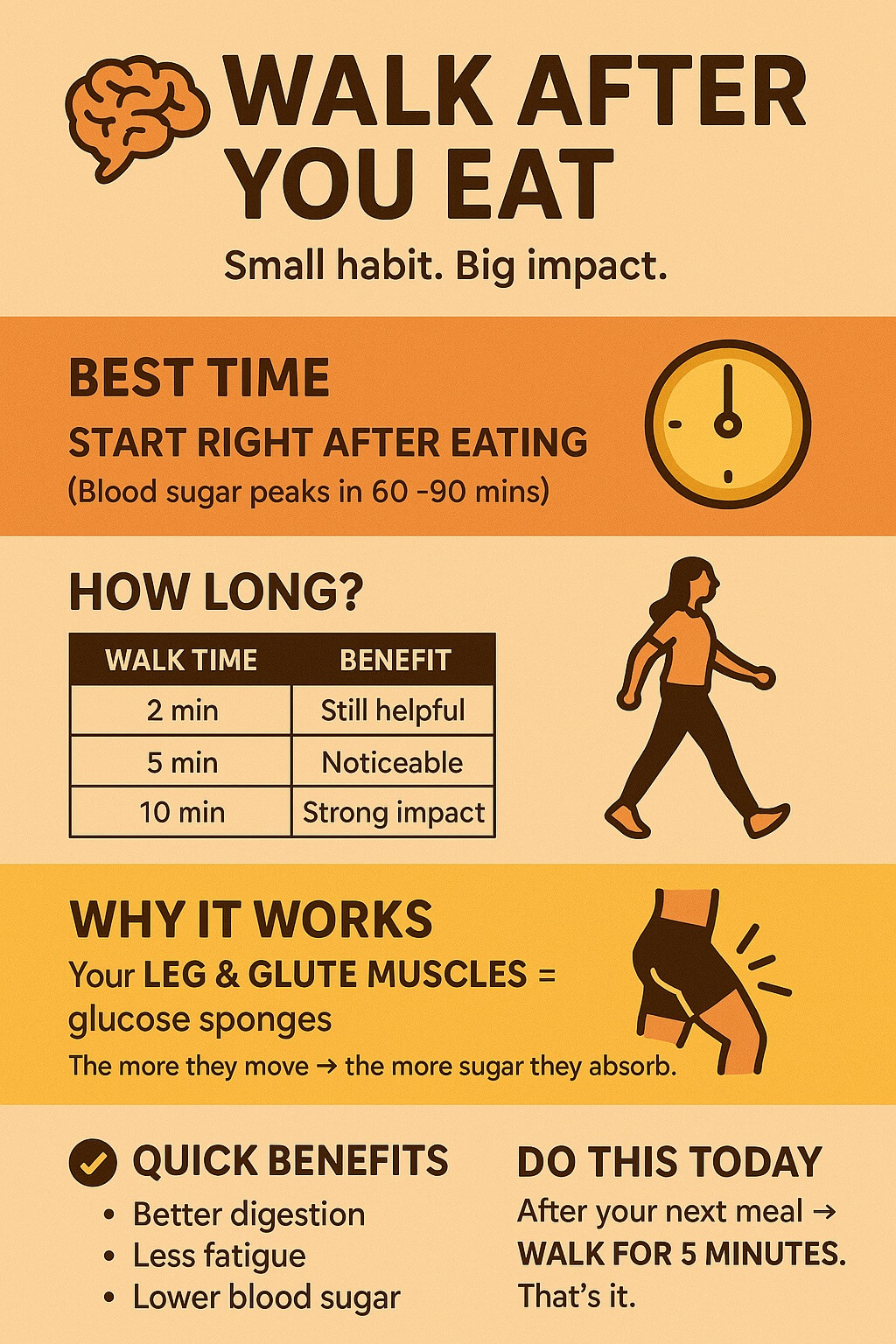
Even a five-minute walk after eating has a measurable effect on moderating blood sugar levels, with benefits observed during a 60- to 90-minute window following meals. That’s the exact window when your blood sugar typically spikes the highest.
Why does it work so well? When you walk, you’re using some of the largest muscles in your body, including the gluteus maximus, hamstrings, and quadriceps, and these muscle groups use glucose. Think of your muscles as little sugar-absorbing sponges—the more you move them, the more glucose they soak up from your bloodstream.
The best part? You don’t need to train for a marathon. Research shows that walking for just two to five minutes can make a real difference. The key is timing—start your walk as soon as possible after finishing your meal, since that’s when your blood sugar starts climbing.
One person who tried this habit said they noticed the more vigorous their walk, the shorter their blood glucose spike lasted. Even if you can only manage a slow stroll around the block, it’s worth doing.
Building Your Body’s Natural Sugar Storage: Muscle Matters
Here’s something that might surprise you: having more muscle actually helps control your blood sugar, even when you’re not exercising. Your muscles act like a storage tank for glucose. The more muscle you have, the bigger your storage capacity.
The American Diabetes Association recommends at least 150 minutes per week of physical activity as part of intensive lifestyle intervention. That might sound like a lot, but it breaks down to just about 20 minutes a day. You don’t need a gym membership—bodyweight exercises, resistance bands, or even carrying groceries can help you build and maintain muscle.
The combination of not being overweight and having decent muscle mass creates a powerful one-two punch for blood sugar control. When you lose excess weight, your body becomes more sensitive to insulin. When you gain muscle, you give your body more places to store glucose. Together, they’re incredibly effective.
The Power of What’s on Your Plate
Let’s get real about diet. You’ve probably heard “eat low-carb” a thousand times. But what does that actually mean for your daily life?
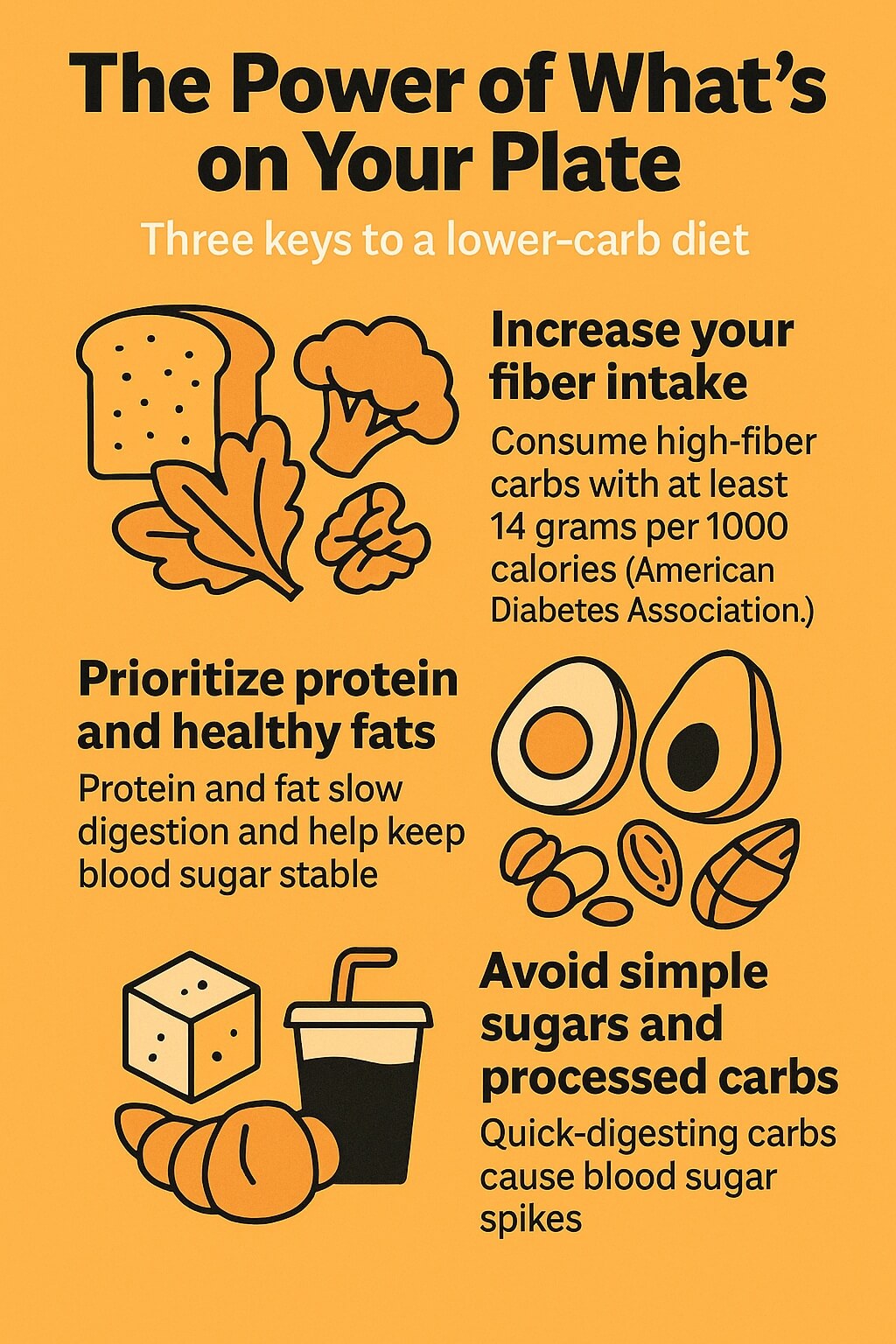
The people who’ve had the most success talk about three key principles:
Increase your fiber intake. The American Diabetes Association recommends consumption of minimally processed, nutrient-dense, high-fiber carbohydrate sources with at least 14 grams of fiber or more per 1000 calories. Fiber slows down how quickly sugar enters your bloodstream, preventing those nasty spikes.
Prioritize protein and healthy fats. When you eat protein and fat with your carbs, it slows down digestion and helps keep your blood sugar more stable. Think eggs with avocado, nuts with fruit, or fish with vegetables.
Avoid simple sugars and processed carbs. This is the hard one, but it makes the biggest difference. Those quick-burning carbs (white bread, sugary drinks, pastries) send your blood sugar on a roller coaster ride. Whole foods keep things steady.
Supplements That Might Actually Help
Now for the million-dollar question: do supplements work? The honest answer is—some might help, but they’re not magic bullets.
Berberine: The Most Promising Option
Of all the supplements people mention, berberine gets the most attention and has the most research behind it. Studies show berberine had a hypoglycemic effect similar to that of common diabetes medications, with significant decreases in hemoglobin A1c, fasting blood glucose, and postprandial blood glucose.
Berberine may help regulate blood sugar, high blood pressure and lipid levels and improve the gut microbiome. However, it’s not without drawbacks. Some people experience digestive issues, and it has a short half-life, meaning you need to take it multiple times a day to keep steady levels in your system.
Important note: Berberine can interact with diabetes medications and might lower blood sugar too much when combined with other treatments. Always talk to your doctor before adding it to your routine.
Chromium: Mixed Results
Chromium is another popular supplement that gets a lot of buzz. The science here is more complicated. Some studies found that chromium supplementation significantly reduced serum levels of fasting blood glucose, insulin, hemoglobin A1C, and insulin resistance in patients with type 2 diabetes.
However, not all research shows benefits, and the evidence quality varies widely. Supplements containing 200-1,000 micrograms of chromium as chromium picolinate daily have been found in some studies to improve blood glucose control, but results aren’t consistent for everyone.
Other Options: Cinnamon, Bitter Melon, and Apple Cider Vinegar
Many people report modest benefits from cinnamon, bitter melon, and apple cider vinegar. While these supplements are generally safe, the scientific evidence is weaker compared to berberine and chromium. They might give you a slight edge, but don’t expect dramatic changes.
The Time-Restricted Eating Strategy
Some people find success with time-restricted eating—basically, shrinking the window when you eat each day. The idea is simple: if you’re only eating during an 8-hour window (like noon to 8 PM) or even a 4-hour window, you’re giving your body more time to process glucose and lower insulin levels.
This approach works well for some people because it naturally reduces total food intake and gives your body extended breaks from processing food. However, it’s not for everyone, and you should definitely check with your doctor first, especially if you’re taking diabetes medications.
Should You Consider Medication?
Here’s an important point that often gets overlooked: there’s no shame in taking medication. Some people mentioned getting off certain medications and relying solely on diet and lifestyle changes. That’s great if it works for you, but it’s not the right choice for everyone.
Recent research shows certain medications like GLP-1 receptor agonists are recommended for greater glycemic effectiveness as well as beneficial effects on weight and reduced hypoglycemia risk. These medications can actually help reduce the risk of serious complications and may have benefits for heart and kidney health.
Many people successfully manage diabetes with a combination of medication, lifestyle changes, and supplements. There’s no single “right” way—it’s about finding what helps you maintain healthy blood sugar levels consistently.
How Do You Know What’s Working?
Here’s the thing: everyone’s body responds differently. What works amazingly well for one person might do nothing for another. That’s why tracking your blood sugar is so important.
The American Diabetes Association recommends keeping blood sugar levels between 80-130 mg/dL before meals and less than 180 mg/dL two hours after meals. Your target may be different based on your individual situation, so work with your healthcare team to set appropriate goals.
Test your blood sugar before trying a new approach, then test regularly while you’re implementing changes. This is the only way to know if something is actually helping you.
Putting It All Together: What Actually Works
Based on both scientific evidence and real-world experience, here’s what has the strongest support for managing blood sugar:
Tier 1 – Highest Impact:
- Walking for 5-10 minutes after every meal
- Following a low-carb or whole-foods diet focused on fiber, protein, and healthy fats
- Losing excess weight if needed
- Building and maintaining muscle through regular activity
Tier 2 – Solid Supporting Strategies:
- Taking prescribed medications as directed
- Berberine supplementation (with doctor approval)
- Managing stress and getting adequate sleep
- Avoiding sugar-sweetened beverages
Tier 3 – Might Help Some People:
- Chromium supplements
- Time-restricted eating
- Cinnamon, bitter melon, or apple cider vinegar
- Other natural supplements
The Bottom Line
Managing type 2 diabetes isn’t about finding one magic solution—it’s about building a collection of habits that work together. The people who are most successful don’t do everything perfectly all the time. They find a few key strategies that fit into their lifestyle and stick with them consistently.
If you’ve fallen off track, don’t beat yourself up. Pick one thing from this list—maybe just walking after dinner—and start there. Once that becomes automatic, add another habit. Small, consistent changes add up to major improvements over time.
Remember, diabetes is a marathon, not a sprint. The goal isn’t perfection; it’s finding sustainable ways to keep your blood sugar in a healthy range so you can live your best life. And if you’re struggling, reach out to your healthcare team. They’re there to help you find the combination of strategies that works for your unique situation.
What matters most isn’t having all the answers right now—it’s taking that next step forward, whatever that looks like for you.