You’ve spent decades understanding your body’s rhythms and patterns, and then suddenly in your 40s, everything goes haywire. Your sleep falls apart for no apparent reason. Your skin acts like it belongs to someone else. Your moods swing wildly even though nothing particularly stressful is happening. Your periods, once predictable enough to set your calendar by, arrive whenever they feel like it. Welcome to perimenopause, the phase nobody adequately warns you about.
Unlike menopause itself, which marks the official end of periods, perimenopause is the long, unpredictable transition that can last anywhere from a few years to over a decade. Your hormones are fluctuating wildly as your ovaries gradually wind down production, creating a rollercoaster of symptoms that can make you feel like you’re losing your mind. The frustrating part is that you’re doing everything right—eating well, exercising, managing stress—and your body is still acting like it’s running a completely different operating system.
What exactly is happening to my hormones right now?
During perimenopause, your ovaries start producing less estrogen and progesterone, but the decline isn’t smooth or predictable. Instead, your hormone levels can spike and crash unpredictably from cycle to cycle or even within a single cycle. One month your estrogen might be relatively high, the next month it plummets. This inconsistency is what causes so many of the bewildering symptoms.
Estrogen affects nearly every system in your body, not just your reproductive organs. It influences your brain chemistry, your sleep patterns, your skin elasticity, your bone density, your cardiovascular system, and even how you metabolize food. When estrogen levels fluctuate erratically, all of these systems struggle to adjust, creating the cascade of symptoms you’re experiencing.
Progesterone, which helps regulate your menstrual cycle and has calming effects on your brain, also becomes unpredictable. Lower progesterone levels can contribute to sleep problems, anxiety, and heavier periods. The imbalance between estrogen and progesterone creates additional complications beyond what either hormone does individually.
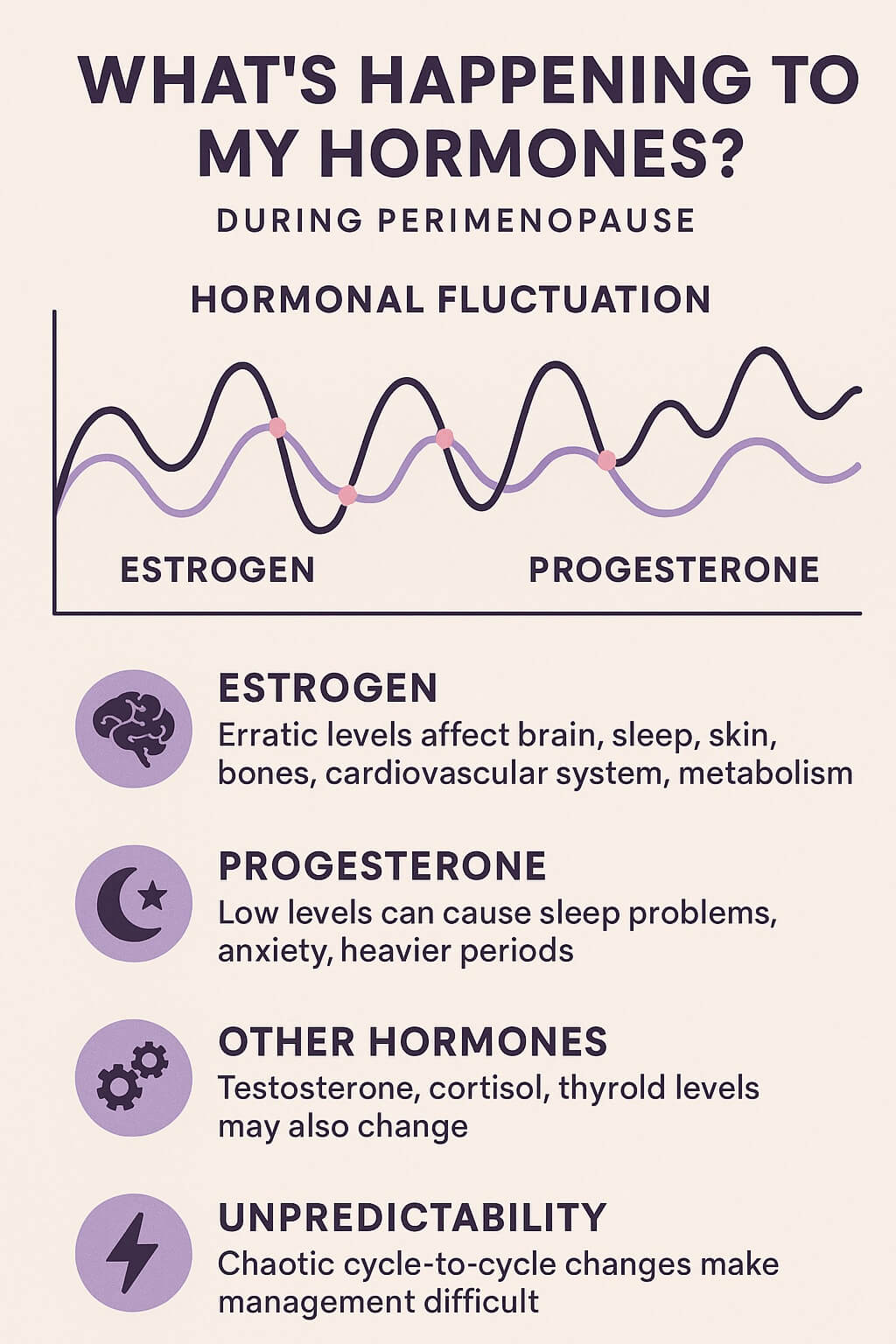
Your body also experiences changes in other hormones during this time. Testosterone levels gradually decline, affecting energy, muscle mass, and libido. Cortisol patterns can shift, particularly if you’re not sleeping well, which creates additional stress on your system. Thyroid function can change too, sometimes mimicking or amplifying perimenopause symptoms.
The unpredictability is perhaps the most challenging aspect. You might have a month where you feel almost normal, then three months where everything is chaotic. This inconsistency makes it hard to know what’s working and what isn’t when you try different strategies to manage symptoms.
Why is my sleep suddenly so terrible?
Sleep disruption during perimenopause has multiple causes working against you simultaneously. Declining progesterone reduces the calming, sleep-promoting effects this hormone provides. Your brain becomes more alert and less able to settle into deep, restorative sleep. Many women in perimenopause report feeling “tired but wired,” unable to fall asleep despite exhaustion.
Night sweats and hot flashes are notorious sleep destroyers. You might wake up drenched in sweat, throw off the covers, then wake up again freezing an hour later. Each awakening disrupts your sleep cycle, preventing you from getting the deep sleep your body needs. Even if you don’t remember waking up, these temperature fluctuations fragment your sleep architecture.
Anxiety and racing thoughts become more common during perimenopause, partly due to hormonal effects on neurotransmitters in your brain. You might find yourself wide awake at three in the morning with your mind spinning through every worry, regret, or random thought. The frustration about not sleeping then creates more anxiety, perpetuating the cycle.
Your circadian rhythm can shift during this phase too. Many women find they become sleepy earlier in the evening but then wake up extremely early, unable to fall back asleep. This pattern disrupts your natural sleep-wake cycle and makes it hard to get adequate rest even if you’re spending enough time in bed.
The cumulative effect of poor sleep then worsens every other perimenopause symptom. Lack of sleep amplifies mood swings, reduces your stress tolerance, increases food cravings, and makes you feel generally awful. Addressing sleep often becomes the most important intervention because improving it helps everything else feel more manageable.
What can I actually do to sleep better during this phase?
Temperature regulation becomes crucial for perimenopausal sleep. Keep your bedroom cool, ideally between 60 and 67 degrees. Use breathable, moisture-wicking sheets and pajamas designed for night sweats. Layer your bedding so you can easily adjust your coverage without fully waking up. Some women find keeping a fan running all night helps maintain a comfortable temperature.
Timing your sleep environment setup matters. Cool down your bedroom well before bedtime so it’s already comfortable when you get in bed. Take a warm bath or shower about ninety minutes before sleep. The drop in body temperature after you get out helps signal your body that it’s time to sleep.
Magnesium supplementation helps many women sleep better during perimenopause. This mineral supports muscle relaxation and has calming effects on the nervous system. Taking magnesium glycinate about an hour before bed can improve both sleep quality and reduce nighttime leg cramps that some women experience during this phase.
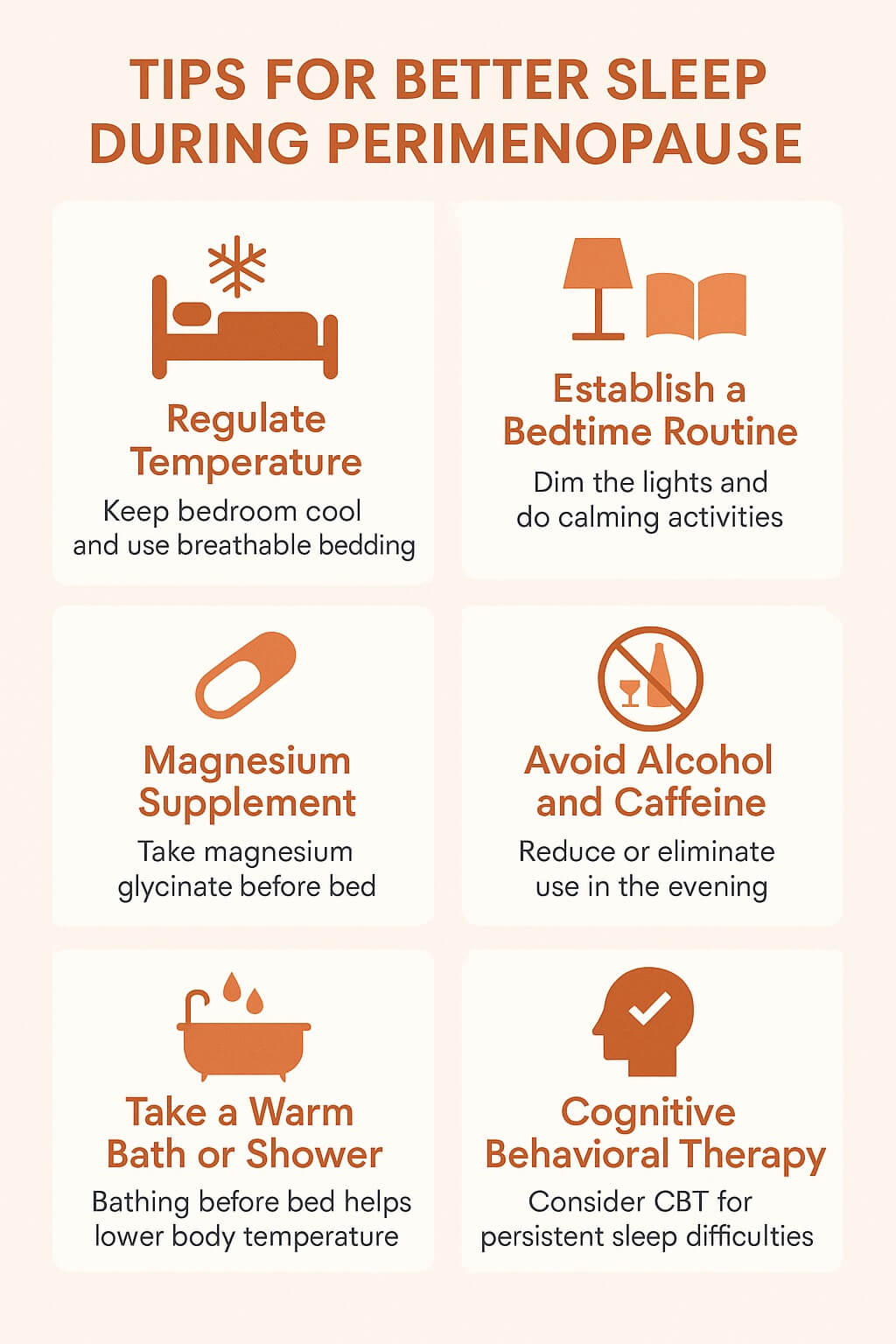
Establish a strict bedtime routine that starts at least an hour before you want to sleep. Dim the lights throughout your home, avoid screens, and do calming activities like reading, gentle stretching, or meditation. Your changing brain needs stronger signals that it’s time to wind down.
Consider cognitive behavioral therapy for insomnia if sleep problems persist. This therapeutic approach addresses the thought patterns and behaviors that perpetuate sleep problems and has been shown to be particularly effective for perimenopausal sleep issues. It works better than sleep medications for long-term improvement.
Avoid alcohol in the evening, even though it might seem to help you relax. Alcohol disrupts sleep architecture and can trigger hot flashes, making your sleep quality worse overall. The same goes for caffeine after early afternoon, as perimenopausal bodies often become more sensitive to stimulants.
Why are my periods acting so weird?
Erratic periods are one of the hallmark signs of perimenopause, and they can vary dramatically from person to person and cycle to cycle. You might go months without a period, then suddenly have two in one month. Your flow might be lighter than usual, or you might experience the heaviest bleeding you’ve ever had. Cycles that were once 28 days might stretch to 40 days or compress to 21 days.
These changes happen because your ovaries are becoming less consistent in releasing eggs. When you don’t ovulate, you don’t produce the progesterone that normally builds up and then sheds the uterine lining in a predictable way. Without that hormonal signal, your lining can build up irregularly and shed unpredictably, leading to unusual bleeding patterns.
Heavy periods during perimenopause can be particularly challenging and concerning. The combination of estrogen fluctuations and lack of progesterone can cause your uterine lining to build up excessively, leading to very heavy bleeding when it finally sheds. This can result in flooding, large clots, and bleeding that interferes with daily activities.
Spotting between periods becomes more common as hormone levels fluctuate. Your body might start building up the lining, then get a small estrogen drop that causes light shedding, followed by more buildup. This creates the frustrating pattern of never quite knowing when bleeding will occur.
Period pain can also change during perimenopause. Some women experience worse cramps than they had in their younger years, while others find their periods become less painful. The unpredictability extends to every aspect of menstruation during this transition.
When should I worry about my changing periods?
While irregular periods are normal during perimenopause, certain patterns warrant medical attention. Bleeding that soaks through a pad or tampon every hour for several consecutive hours is excessive and can lead to anemia. If you’re passing clots larger than a quarter or feeling dizzy and weak from blood loss, contact your healthcare provider.
Bleeding that lasts longer than seven to ten days consistently should be evaluated. While longer periods can happen occasionally during perimenopause, ongoing extended bleeding isn’t normal and might indicate issues like fibroids, polyps, or other conditions that need treatment.
Any bleeding after you’ve gone twelve consecutive months without a period requires immediate medical evaluation. Once you’ve reached menopause (defined as twelve months without periods), bleeding is never normal and always needs to be checked out to rule out serious conditions.
Spotting or bleeding after intercourse should be discussed with your doctor. While it can have benign causes, it warrants examination to ensure nothing concerning is happening with your cervix or uterine lining.
If your periods are so heavy or unpredictable that they’re significantly affecting your quality of life, don’t suffer in silence. Treatments exist that can help manage symptoms even during the perimenopausal transition. Your discomfort is valid and worthy of medical attention.
What’s happening to my skin and why does it feel so different?
Estrogen plays a crucial role in maintaining skin hydration, collagen production, and elasticity. As estrogen levels decline during perimenopause, your skin produces less natural oil, holds less moisture, and generates new collagen more slowly. This creates the dry, thinner skin texture many women notice in their 40s.
The decline in skin thickness happens gradually but noticeably during perimenopause. Your skin literally becomes thinner as collagen and elastin fibers break down faster than they’re replaced. This makes skin more fragile, prone to bruising, and more reactive to products that never bothered you before.
Changes in skin oil production affect not just dryness but also breakouts. Some women experience adult acne during perimenopause as hormonal fluctuations affect sebaceous glands. You might find yourself dealing with both dry, flaky patches and hormonal breakouts simultaneously, which feels particularly unfair.
Increased skin sensitivity becomes common during this phase. Products you’ve used for years might suddenly cause irritation or redness. Your skin’s barrier function weakens with declining estrogen, making it more permeable to irritants and less able to retain moisture.
Pigmentation changes often appear or worsen during perimenopause. Melasma, age spots, and uneven skin tone become more pronounced as hormonal changes affect melanin production. Sun damage from earlier years also becomes more visible as skin turnover slows.
How can I help my changing skin feel better?
Hydration becomes absolutely essential for perimenopausal skin, both internal and external. Drink plenty of water throughout the day, and use richer moisturizers than you needed in your 30s. Look for products with hyaluronic acid, which holds moisture in the skin, and ceramides, which help repair the skin barrier.
Switch to gentler cleansers that don’t strip your skin’s natural oils. Foaming cleansers and products with harsh surfactants can worsen dryness during this phase. Creamy, oil-based cleansers or micellar waters remove makeup and dirt without leaving skin tight and uncomfortable.
Sunscreen becomes non-negotiable, even if you were lax about it before. Your skin is more vulnerable to sun damage during perimenopause, and protecting it helps prevent further pigmentation issues and skin thinning. Use a broad-spectrum sunscreen with at least SPF 30 every single day, even in winter or when you’re mostly indoors.
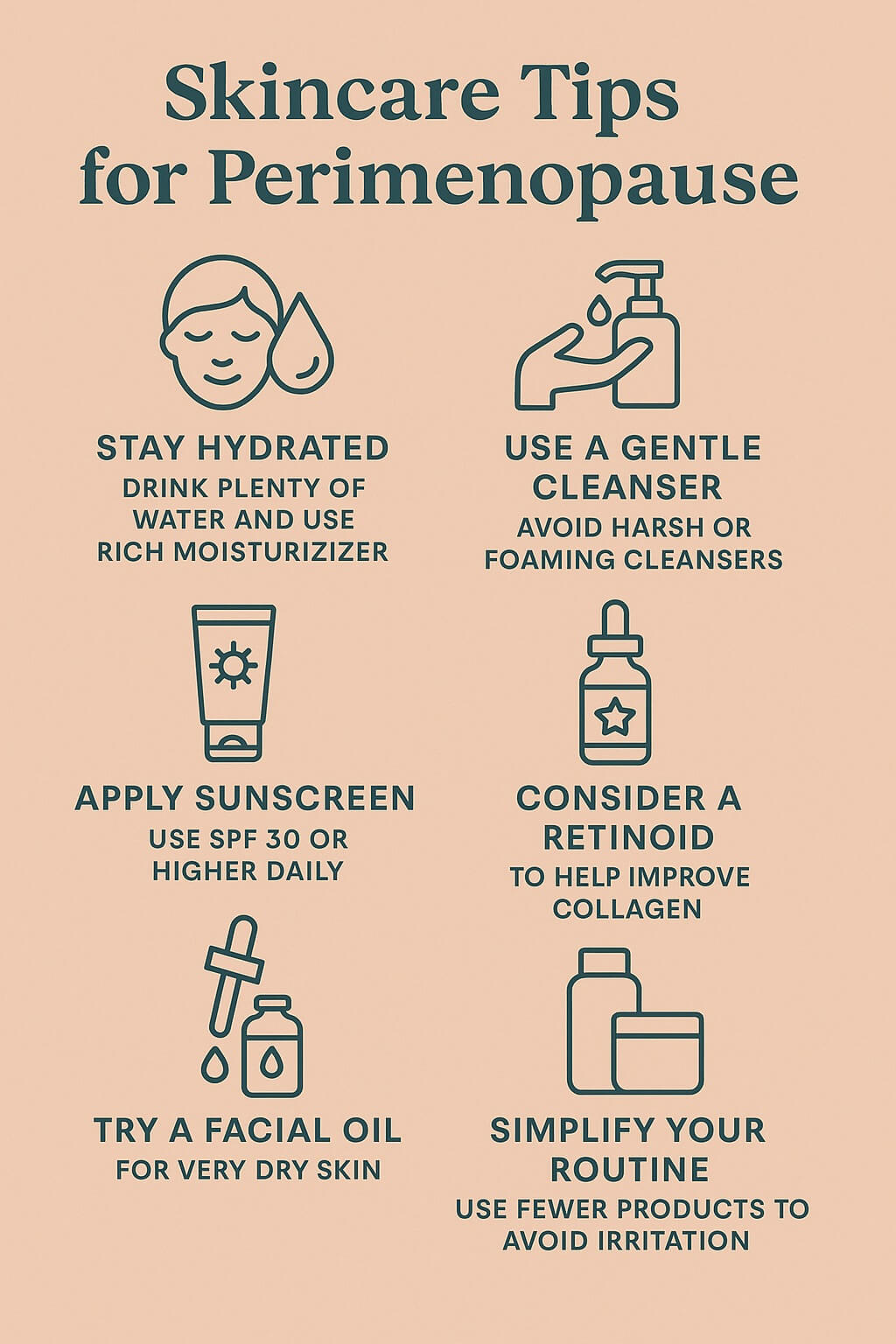
Consider adding a retinoid to your nighttime routine if you’re not already using one. Retinoids stimulate collagen production and speed up cell turnover, helping counteract some of the aging effects of declining estrogen. Start with a low concentration and use it just once or twice weekly initially to avoid irritation.
Facial oils can provide relief for very dry skin. Apply a few drops to damp skin before your moisturizer to seal in hydration. Oils rich in fatty acids like rosehip, argan, or squalane work particularly well for mature, dry skin.
Simplify your skincare routine if your skin has become reactive. Using fewer products reduces the chance of irritation and gives your compromised skin barrier time to heal. Focus on the basics: gentle cleanser, good moisturizer, sunscreen during the day, and perhaps one treatment product at night.
Why are my moods so unpredictable?
The mood changes during perimenopause aren’t “all in your head,” despite what some people might suggest. Estrogen directly affects serotonin, dopamine, and other neurotransmitters that regulate mood. When estrogen levels fluctuate wildly, your brain chemistry becomes unstable, creating genuine physiological mood disruptions.
The combination of sleep deprivation, physical discomfort from other symptoms, and the stress of not understanding what’s happening to your body compounds these hormonal mood effects. You’re not overreacting or being dramatic. You’re experiencing real neurochemical changes while also dealing with the emotional impact of your body changing in unexpected ways.
Irritability and a shortened fuse are extremely common during perimenopause. Small annoyances that you normally brush off suddenly feel intolerable. This isn’t a character flaw or a sign you’re becoming a difficult person. It’s a direct result of hormonal effects on the parts of your brain that regulate emotional responses.
Anxiety, including new or worsening panic attacks, affects many women during this transition. The physical sensations of hormonal surges can mimic anxiety attacks, and the unpredictability of symptoms creates legitimate worry about when the next wave of problems will hit.
Sadness or grief might surface as you process what this transition means. There’s a real loss involved in leaving your reproductive years, even if you’re completely finished having children or never wanted them. Society’s complicated relationship with aging women can intensify these feelings.
What helps with the emotional rollercoaster?
Regular exercise, particularly aerobic activity, significantly improves mood during perimenopause. Exercise boosts endorphins, reduces stress hormones, improves sleep quality, and provides a sense of control when your body feels unpredictable. Even a daily twenty-minute walk makes a measurable difference for many women.
Strength training deserves special mention because it addresses multiple perimenopause issues simultaneously. Building muscle helps counteract the metabolic slowdown that happens during this phase, improves bone density, boosts mood, and helps you feel strong and capable when other aspects of your health feel uncertain.
Mindfulness practices and meditation help manage the anxiety and emotional volatility of perimenopause. Learning to observe your thoughts and emotions without immediately reacting to them creates distance from the intensity of hormonal mood swings. Even five minutes of daily meditation can improve emotional regulation.
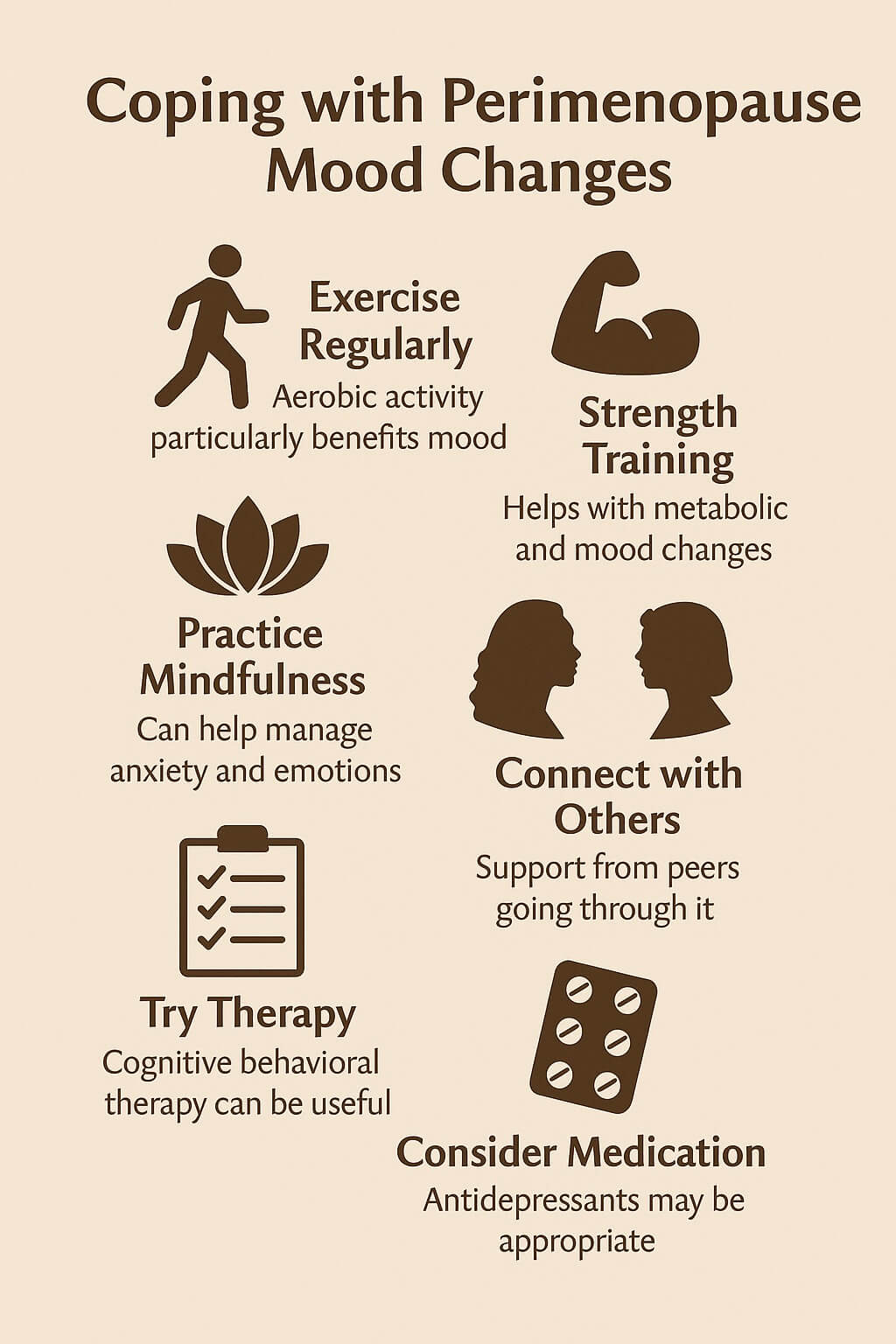
Connecting with other women going through this phase provides validation and practical support that’s hard to overstate. Whether through online communities, local support groups, or honest conversations with friends, realizing you’re not alone in these experiences reduces the isolation and shame that often accompany perimenopause symptoms.
Cognitive behavioral therapy or other forms of talk therapy can be incredibly helpful during this transition. A good therapist helps you process the emotional aspects of perimenopause while teaching concrete skills for managing mood fluctuations and anxiety.
Don’t dismiss medication if symptoms are severe. Antidepressants, particularly SSRIs, can help manage mood symptoms, reduce hot flashes, and improve sleep in some women. There’s no virtue in suffering unnecessarily when effective treatments exist.
Should I consider hormone replacement therapy?
Hormone replacement therapy remains one of the most effective treatments for perimenopause symptoms, but the decision to use it is highly individual. For women with severe symptoms that significantly impact quality of life, HRT can be life-changing. For others with milder symptoms, lifestyle modifications might be sufficient.
The risks and benefits of HRT have been hotly debated and misunderstood for years. Recent research clarifies that for most women starting HRT in their 40s or early 50s, the benefits outweigh the risks, particularly for short-term use. The key is finding the right formulation and delivery method for your individual situation.
Bioidentical hormones, which are chemically identical to hormones your body produces, work well for many women. These can be delivered through pills, patches, creams, or vaginal preparations. The transdermal options (patches and creams) avoid first-pass metabolism through the liver, which reduces certain risks.
Not every woman is a good candidate for HRT. Women with a history of certain cancers, blood clots, or liver disease might need to avoid hormone therapy. A thorough discussion with your healthcare provider about your personal and family medical history helps determine if HRT is appropriate for you.
Some women use HRT temporarily to get through the worst of perimenopause, then taper off as their bodies adjust to lower hormone levels. Others continue long-term if their symptoms return when they try to stop. There’s no single right approach, and your treatment plan might evolve over time.
If you’re interested in HRT but your doctor dismisses your concerns or refuses to discuss it, consider getting a second opinion. You deserve a healthcare provider who takes your symptoms seriously and is knowledgeable about current treatment options for perimenopause.
What about supplements and natural remedies?
Black cohosh is one of the most studied herbal remedies for perimenopause symptoms, particularly hot flashes. Some women find it helpful, though research results are mixed. It’s generally considered safe for short-term use, but talk with your healthcare provider before starting it, especially if you take other medications.
Evening primrose oil contains gamma-linolenic acid, an omega-6 fatty acid that some women find helpful for breast tenderness and mood symptoms. The evidence for its effectiveness is modest, but it’s low-risk for most people. It can take several months of consistent use to see benefits.
Vitamin D deficiency is common and can worsen mood, bone health, and overall wellbeing during perimenopause. Getting your levels checked and supplementing if needed addresses a common problem that amplifies other symptoms. Most people need at least 1000-2000 IU daily, though some require more.
B vitamins, particularly B6 and B12, support energy levels, mood regulation, and nervous system function. Many women find a high-quality B-complex supplement helps with fatigue and brain fog during perimenopause. B vitamins are water-soluble, so excess amounts are typically excreted rather than causing problems.
Omega-3 fatty acids from fish oil or algae supplements support cardiovascular health, reduce inflammation, and may help with mood stability. Aim for at least 1000 mg of combined EPA and DHA daily. Choose high-quality supplements that have been tested for purity.
Be cautious about supplements marketed specifically for menopause or perimenopause that contain proprietary blends of multiple herbs. These can be expensive and of questionable quality. It’s better to address specific symptoms with targeted, well-researched supplements.
How long is this phase going to last?
The frustrating answer is that perimenopause duration varies enormously between individuals. The average is about four years, but it can be as short as a few months or as long as ten years or more. You’ve officially reached menopause when you’ve gone twelve consecutive months without a period, and the perimenopausal transition is complete.
Symptoms often intensify in the final year or two before menopause, then gradually improve afterward. However, some women continue experiencing certain symptoms like hot flashes for years after their final period. There’s no way to predict exactly how your personal transition will unfold.
Younger women who enter perimenopause in their early 40s or late 30s often experience a longer transition than women who start in their late 40s. This extended timeline can feel exhausting, but symptoms don’t usually remain at peak intensity throughout the entire period.
The unpredictability of the timeline is itself a challenge. You can’t plan around it or count down to a specific end date. This requires accepting uncertainty and finding ways to manage symptoms for however long the transition takes for your individual body.
Some symptoms might persist even after menopause. Vaginal dryness, sleep changes, and skin issues often continue because they’re related to permanently lower estrogen levels rather than fluctuating hormones. However, the chaotic mood swings, irregular periods, and sense that your body is completely unpredictable usually improve once you’re fully postmenopausal.
What’s the most important thing to remember?
The single most important thing to understand is that you’re not losing your mind, you’re not defective, and you’re not overreacting to what’s happening to your body. Perimenopause is a significant physiological transition that affects virtually every system in your body. The fact that you’re still functioning, working, caring for others, and getting through your days while experiencing these symptoms is actually remarkable.
You don’t have to suffer in silence or just accept that “this is what getting older feels like.” Effective treatments and management strategies exist. Finding healthcare providers who take your symptoms seriously and are knowledgeable about perimenopause is crucial. If your doctor dismisses your concerns or tells you it’s “just stress” without investigating hormonal factors, find someone else.
This phase is temporary. You will eventually reach the other side of perimenopause and settle into a new normal. Many women report feeling significantly better once they’re through the transition, even though their hormone levels remain low. The stability of menopause is often easier to manage than the chaos of perimenopause.
Taking care of yourself during this time isn’t selfish or indulgent. It’s necessary. You cannot pour from an empty cup, and you deserve to feel good in your body. Prioritize sleep, movement, nutrition, and stress management not because you should, but because these things directly impact your symptom severity and quality of life.
Connect with other women experiencing this transition. The isolation of perimenopause compounds the difficulty of the physical symptoms. Knowing you’re not alone, learning what helps others, and having people who understand what you’re going through makes the journey significantly easier. You’re part of a huge community of women navigating this same challenging phase, and there’s strength in that solidarity.