
Walk down the cooking oil aisle at any grocery store and you’ll see bottles of olive oil prominently displayed, often with labels touting health benefits and heart-healthy claims. You’ve probably heard that olive oil is “good for you” countless times—from doctors, health magazines, cooking shows, and well-meaning relatives. But what does that actually mean in practical terms? What’s happening in your body when you drizzle olive oil on your salad instead of ranch dressing, or when you sauté vegetables in olive oil rather than butter?
The health benefits of olive oil aren’t just marketing hype or wishful thinking from the wellness industry. Decades of scientific research have examined olive oil’s effects on human health, particularly in the context of the Mediterranean diet, which features olive oil as a primary fat source. The findings consistently point to real, measurable health advantages, though understanding exactly why olive oil benefits health requires looking at its unique nutritional composition and how those components interact with our bodies.
For busy professionals spending long hours at desks managing complex systems and navigating demanding workdays, understanding which everyday food choices actually move the needle on health can feel overwhelming. The good news is that olive oil represents one of those rare cases where a simple, practical dietary choice—using olive oil instead of other cooking fats—delivers genuine health benefits without requiring dramatic lifestyle overhauls or complicated meal planning.
Understanding What Makes Olive Oil Different
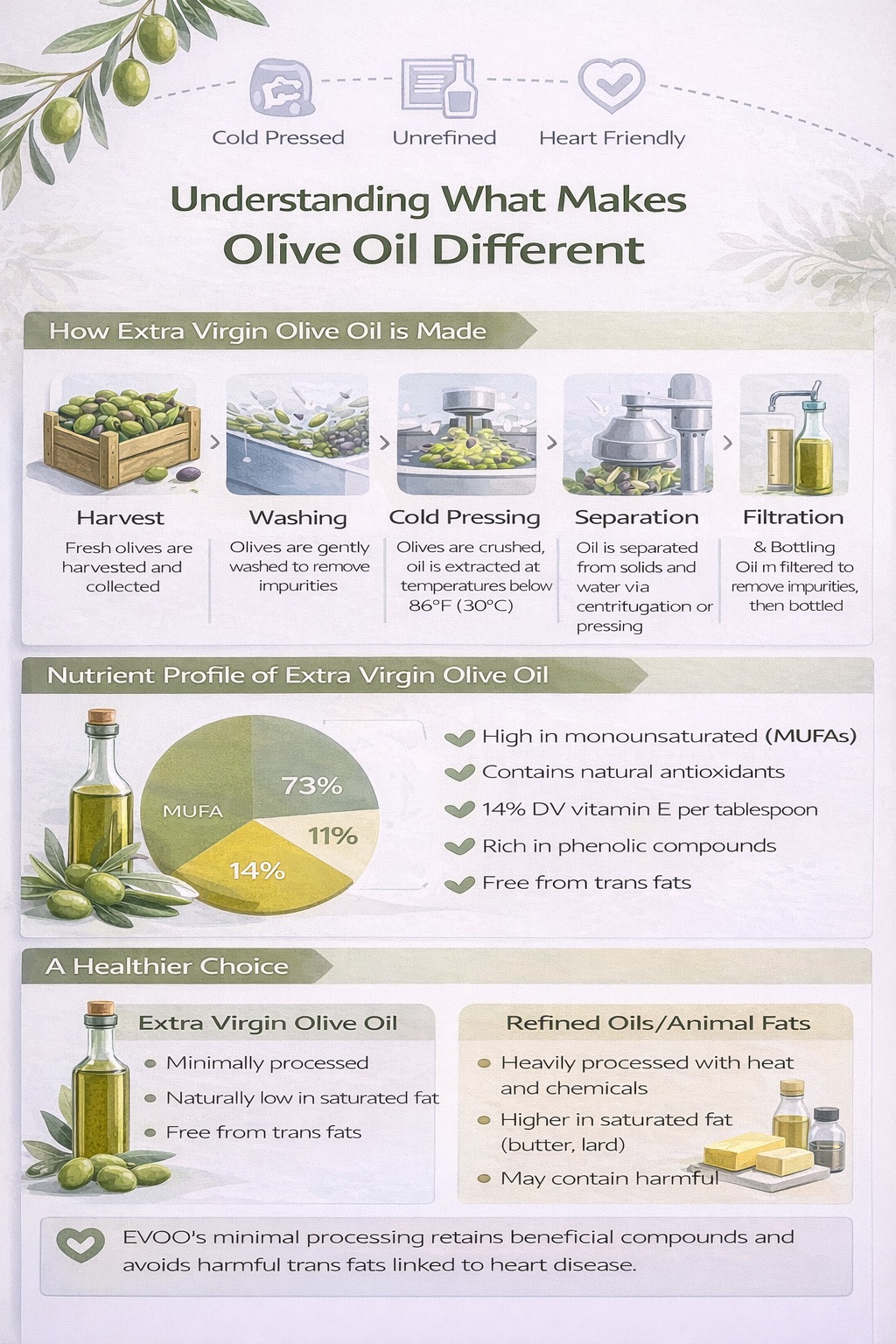
Not all cooking oils are created equal, and understanding what sets olive oil apart starts with knowing how it’s made and what it contains. Unlike many refined cooking oils that undergo extensive processing involving heat and chemical solvents, extra virgin olive oil is produced through a remarkably simple mechanical process.
Olives are harvested, washed, and then crushed or pressed to extract their oil. Extra virgin olive oil—the highest quality grade—is produced through cold pressing, meaning the olives are processed at temperatures below certain thresholds that would damage delicate flavor and health-promoting compounds. The oil is then separated from the olive solids and water through centrifugation or pressing, filtered to remove remaining particles, and bottled.
This minimal processing preserves compounds that would be destroyed or removed by the refining processes used for many other cooking oils. When you compare extra virgin olive oil to highly refined oils like canola, vegetable, or corn oil, you’re looking at fundamentally different products in terms of their nutritional profiles.
The key distinction isn’t just about what olive oil contains—it’s also about what it doesn’t contain. Olive oil is free from trans fats, which have been conclusively linked to heart disease and have been banned or restricted in many countries. It’s also naturally low in saturated fat compared to animal fats like butter or lard, though it does contain some saturated fat as all fats do.
The Fat Composition That Matters
Understanding fats requires getting past the outdated “all fat is bad” mentality that dominated nutrition advice for decades. Current scientific understanding recognizes that different types of fats have dramatically different effects on health, and the type of fat matters far more than simply the total amount.
Olive oil is predominantly composed of monounsaturated fatty acids, specifically oleic acid, which makes up roughly 70-80% of olive oil’s fat content. Monounsaturated fats have been consistently associated with health benefits, particularly for cardiovascular health, in contrast to saturated fats (found primarily in animal products and tropical oils) and trans fats (found in some processed foods).
According to the American Heart Association (heart.org), replacing saturated fats with unsaturated fats, including monounsaturated fats like those in olive oil, can help improve blood cholesterol levels and decrease the risk of heart disease and stroke. This isn’t theoretical—clinical trials have demonstrated these effects repeatedly.
The remaining fat in olive oil consists of smaller amounts of polyunsaturated fats, including omega-6 and omega-3 fatty acids, and a small percentage of saturated fat. This balanced fatty acid profile contributes to olive oil’s stability and health properties.
Beyond Fat: The Bioactive Compounds
What truly distinguishes extra virgin olive oil from other cooking oils isn’t just its favorable fat composition—it’s the presence of bioactive compounds that simply don’t exist in refined oils. These compounds include polyphenols, vitamin E, and various other minor components that exert significant effects on health despite being present in relatively small quantities.
Polyphenols are plant compounds with powerful antioxidant and anti-inflammatory properties. Extra virgin olive oil contains more than 30 different phenolic compounds, with the specific profile varying based on olive variety, growing conditions, and processing methods. The most studied include hydroxytyrosol, tyrosol, and oleocanthal.
These polyphenols don’t just provide abstract health benefits—they have measurable effects in the body. Research published in the journal Nutrients and indexed on PubMed (ncbi.nlm.nih.gov/pmc) demonstrates that olive oil polyphenols can reduce oxidative stress, modulate inflammatory pathways, and influence gene expression in ways that protect against chronic disease.
Vitamin E, specifically in the form of alpha-tocopherol, acts as a fat-soluble antioxidant protecting cells from oxidative damage. While many foods contain vitamin E, olive oil provides it in a form that’s easily absorbed along with the fats that help your body utilize it.
Other minor components include squalene, a compound with potential anticancer properties; beta-carotene, which gives olive oil its golden-green color and provides vitamin A activity; and phytosterols, plant compounds structurally similar to cholesterol that can help reduce cholesterol absorption.
What Olive Oil Actually Does for Heart Health
The most well-established health benefit of olive oil relates to cardiovascular health. This isn’t surprising given that heart disease remains the leading cause of death globally, and dietary fat composition significantly influences cardiovascular risk factors.
The Cholesterol Connection
When people say olive oil is “heart-healthy,” they’re often referring to its effects on blood cholesterol levels, particularly the balance between LDL cholesterol (often called “bad” cholesterol) and HDL cholesterol (“good” cholesterol). However, the relationship is more nuanced than simply lowering all cholesterol.
Research consistently shows that replacing saturated fats with monounsaturated fats from olive oil can reduce LDL cholesterol levels without negatively affecting HDL cholesterol. Some studies even suggest olive oil might modestly increase HDL cholesterol. This shift in the LDL/HDL ratio is associated with reduced cardiovascular risk.
But it’s not just about the total amount of LDL cholesterol—it’s also about LDL oxidation. Oxidized LDL cholesterol is particularly harmful because it contributes to the formation of arterial plaques that characterize atherosclerosis. The antioxidants in extra virgin olive oil, particularly polyphenols, help protect LDL particles from oxidation, providing benefits beyond what you’d get from simply lowering LDL levels.
The PREDIMED study, one of the largest and longest randomized trials examining the Mediterranean diet, found that participants assigned to a Mediterranean diet supplemented with extra virgin olive oil had a 30% reduction in major cardiovascular events compared to those following a reduced-fat diet. This research, published in the New England Journal of Medicine, provides strong evidence that olive oil consumption within the context of a healthy dietary pattern significantly reduces cardiovascular risk.
Blood Pressure Effects
Hypertension—chronically elevated blood pressure—is another major cardiovascular risk factor, affecting roughly one in three adults in North America. Dietary choices significantly influence blood pressure, and olive oil appears to play a beneficial role.
Multiple studies have found that diets rich in olive oil can help lower blood pressure, with some research suggesting effects comparable to those achieved through blood pressure medications, though diet should complement rather than replace prescribed treatments for hypertension.
The mechanisms likely involve multiple pathways. Oleic acid, the primary monounsaturated fat in olive oil, has been shown to influence the composition of cell membranes in ways that affect blood pressure regulation. Polyphenols in olive oil promote the production of nitric oxide, a molecule that helps blood vessels relax and dilate, reducing resistance to blood flow.
For people managing demanding careers with associated stress—a well-known contributor to elevated blood pressure—incorporating olive oil as a primary dietary fat represents a practical, evidence-based strategy for supporting healthy blood pressure levels.
Inflammation Reduction
Chronic low-grade inflammation plays a central role in cardiovascular disease development and progression. Unlike acute inflammation (the redness and swelling from an injury), chronic inflammation is silent and systemic, contributing to arterial damage, plaque formation, and cardiovascular events over time.
Olive oil, particularly extra virgin olive oil with high polyphenol content, has demonstrated anti-inflammatory properties in both laboratory studies and human trials. One particularly interesting compound called oleocanthal has molecular properties similar to ibuprofen, producing a similar anti-inflammatory effect, though you’d need to consume far more olive oil than is practical to match the anti-inflammatory dose of medication.
According to research reviewed by Harvard T.H. Chan School of Public Health (hsph.harvard.edu), the anti-inflammatory effects of olive oil likely contribute significantly to its cardiovascular benefits, as chronic inflammation is now recognized as a key driver of atherosclerosis and heart disease.
Olive Oil and Metabolic Health
Beyond cardiovascular effects, olive oil influences metabolic health—how your body processes and stores energy, regulates blood sugar, and manages body weight.
Blood Sugar Regulation and Diabetes
Type 2 diabetes and prediabetes affect tens of millions of people in North America, with sedentary lifestyles and poor dietary patterns contributing significantly to rising rates. The type of dietary fat consumed influences insulin sensitivity and blood sugar control.
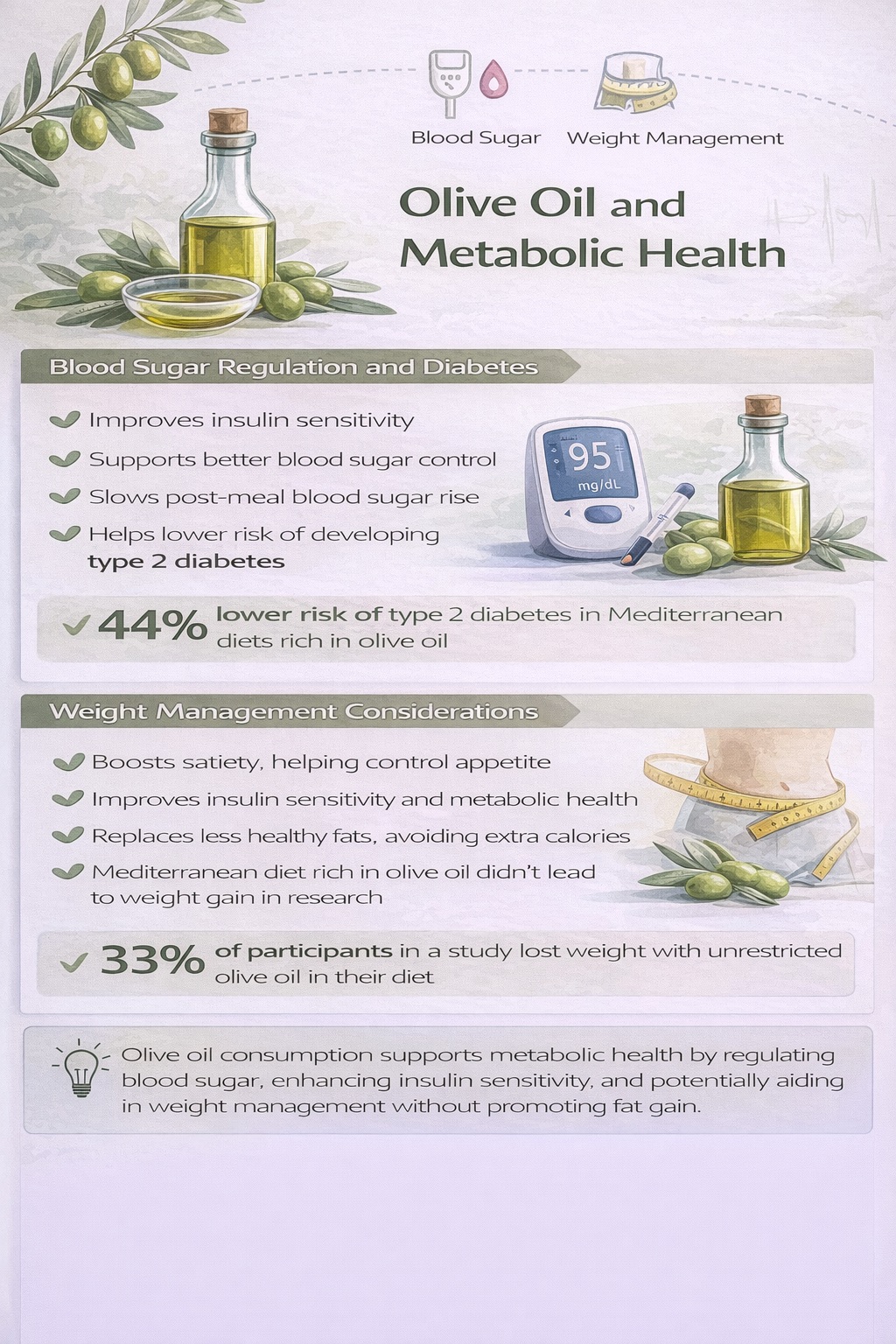
Research published in Diabetes Care, the journal of the American Diabetes Association (diabetes.org), has found that Mediterranean dietary patterns featuring olive oil as the primary fat source improve glycemic control and insulin sensitivity compared to low-fat diets or diets high in other types of fat.
The mechanisms involve several pathways. Monounsaturated fats improve the function of insulin receptors on cells, helping glucose move from the bloodstream into cells more efficiently. Polyphenols in olive oil reduce oxidative stress and inflammation, which contribute to insulin resistance. Olive oil also slows gastric emptying—the rate at which food leaves your stomach—which moderates the post-meal blood sugar spike.
For people at risk for type 2 diabetes or managing prediabetes, replacing saturated fats and refined oils with extra virgin olive oil represents an evidence-based dietary modification with demonstrated benefits.
Weight Management Considerations
Given that olive oil is calorically dense—about 120 calories per tablespoon—people often worry that consuming it regularly will lead to weight gain. However, research examining Mediterranean diets rich in olive oil tells a different story.
The PREDIMED trial found that participants following a Mediterranean diet with unrestricted olive oil consumption didn’t gain more weight than those on a reduced-fat diet, and some lost weight despite not restricting calories. Other research has found similar results—generous olive oil consumption within the context of a healthy dietary pattern doesn’t lead to weight gain and may support weight management.
Several factors likely explain these findings. Olive oil increases satiety—the feeling of fullness after eating—which may reduce overall calorie intake at subsequent meals. The improved metabolic health associated with olive oil consumption, including better insulin sensitivity, supports healthy body weight regulation. And when olive oil replaces less healthy fats rather than being added on top of an already high-fat diet, it improves overall diet quality without necessarily increasing total calories.
The key is using olive oil as a replacement for other fats—butter on bread, vegetable oil in cooking, creamy dressings on salads—rather than simply adding it on top of everything else you’re eating.
The Anti-Inflammatory Story
At Wellness Readers Digest, we frequently emphasize inflammation’s role in chronic disease because it’s a common pathway underlying so many health conditions. Understanding olive oil’s anti-inflammatory properties provides insight into why it seems to benefit multiple aspects of health simultaneously.
What Is Chronic Inflammation?
Inflammation is your body’s natural response to injury or infection—it’s how your immune system responds to threats. Acute inflammation is beneficial and necessary. Chronic inflammation is different—it’s persistent, low-level immune activation that occurs without a specific threat, driven by factors including poor diet, stress, inadequate sleep, environmental toxins, and excess body fat.
This chronic inflammatory state contributes to cardiovascular disease, type 2 diabetes, certain cancers, neurodegenerative diseases, and accelerated aging. Blood tests can measure inflammatory markers like C-reactive protein (CRP) and interleukin-6 (IL-6), which tend to be elevated in people with chronic inflammation.
How Olive Oil Fights Inflammation
Olive oil combats inflammation through multiple mechanisms, with research documenting effects on various inflammatory markers and pathways.
The polyphenols in extra virgin olive oil, particularly oleocanthal, directly inhibit inflammatory enzymes called COX-1 and COX-2—the same enzymes targeted by non-steroidal anti-inflammatory drugs like ibuprofen. While you’d need to consume unrealistic amounts of olive oil to match pharmaceutical anti-inflammatory effects, regular consumption provides a meaningful anti-inflammatory influence over time.
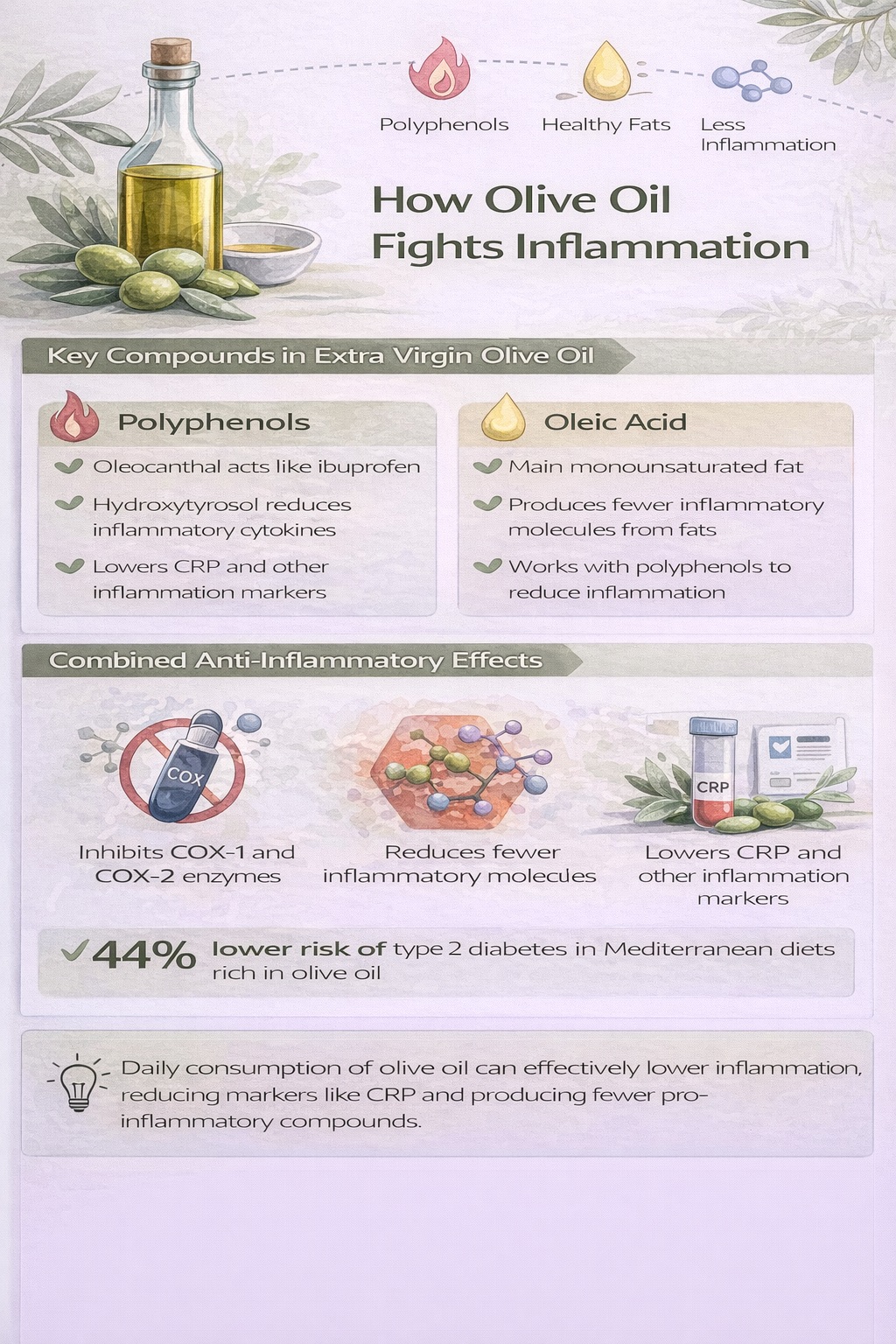
Other polyphenols like hydroxytyrosol reduce the production of inflammatory signaling molecules called cytokines, which perpetuate inflammatory responses throughout the body. Research shows that olive oil consumption can reduce blood levels of CRP and other inflammatory markers, indicating system-wide anti-inflammatory effects.
The monounsaturated fats in olive oil influence the types of signaling molecules your body produces from fats. Compared to diets high in saturated or omega-6 polyunsaturated fats, olive oil-rich diets produce fewer pro-inflammatory compounds and more neutral or anti-inflammatory ones.
Studies published in the Journal of Nutrition and indexed on PubMed show that even single meals containing olive oil can reduce inflammatory markers in the hours following eating, with cumulative effects building over time with regular consumption.
Brain Health and Cognitive Function
Emerging research suggests olive oil benefits extend beyond metabolic and cardiovascular health to include brain health and cognitive function, though this area of research is less established than the cardiovascular evidence.
Neuroprotective Properties
The brain is particularly vulnerable to oxidative stress due to its high metabolic activity and abundant fat content. Oxidative damage to brain cells contributes to cognitive decline and neurodegenerative diseases including Alzheimer’s disease.
Olive oil’s antioxidants, particularly vitamin E and polyphenols, protect brain cells from oxidative damage. Animal studies and cell culture research demonstrate that olive oil compounds can reduce the formation of beta-amyloid plaques and tau tangles—the pathological hallmarks of Alzheimer’s disease—though it’s important to note that findings from animal studies don’t always translate directly to humans.
Human observational studies have found associations between higher olive oil consumption and better cognitive function in older adults, as well as reduced risk of cognitive decline and dementia. While these observational studies can’t prove causation—people who consume more olive oil likely differ from those who don’t in multiple ways—the consistency of findings across different populations strengthens the evidence.
Research examining the Mediterranean diet, which features olive oil prominently, has found cognitive benefits including better memory, processing speed, and executive function compared to other dietary patterns, according to studies published in Neurology and other medical journals.
Mood and Mental Health
Less established but intriguing is research suggesting relationships between olive oil consumption and mental health outcomes including depression and anxiety. The same anti-inflammatory and antioxidant properties that benefit physical health may also support mental health, given that inflammation and oxidative stress are implicated in mood disorders.
Large observational studies have found that Mediterranean dietary patterns featuring olive oil are associated with lower rates of depression compared to Western dietary patterns high in processed foods and saturated fats. While these associations don’t prove causation, they’re consistent with emerging understanding of diet’s role in mental health.
What About Cooking With Olive Oil?
One common concern about olive oil is whether it’s suitable for cooking, particularly at high temperatures. Some sources claim that heating olive oil destroys its beneficial compounds or creates harmful substances, leading people to reserve expensive extra virgin olive oil for cold applications like salad dressings while using other oils for cooking.
Smoke Point and Stability
The smoke point—the temperature at which an oil begins to smoke and break down—is often cited as the critical factor in determining cooking suitability. Extra virgin olive oil has a smoke point around 350-410°F depending on quality and freshness, which is lower than some refined oils but perfectly adequate for most home cooking.
Most sautéing, pan-frying, and roasting occurs at temperatures below olive oil’s smoke point. Even if you occasionally exceed the smoke point, the brief exposure doesn’t create significant health concerns or destroy all beneficial compounds in properly stored, fresh olive oil.
What matters more than smoke point alone is oxidative stability—how resistant an oil is to forming harmful compounds when exposed to heat, light, and oxygen. Here, olive oil actually performs quite well compared to many other cooking oils.
The monounsaturated fats in olive oil are more stable than the polyunsaturated fats predominating in oils like corn, soy, and sunflower oil. The natural antioxidants in extra virgin olive oil protect it from oxidative degradation during cooking. Research comparing different cooking oils has found that extra virgin olive oil produces fewer harmful compounds when heated than many oils with higher smoke points but less favorable fatty acid profiles and fewer protective antioxidants.
Does Cooking Destroy the Benefits?
Yes, heating olive oil does reduce some of its heat-sensitive compounds, particularly certain polyphenols. However, it doesn’t eliminate them entirely, and the benefits of olive oil’s fatty acid composition remain unchanged by cooking.
Studies analyzing olive oil before and after cooking show that while polyphenol content decreases with heating, extra virgin olive oil retains significantly more beneficial compounds compared to refined olive oil or other cooking oils even after heating. The extent of reduction depends on temperature and cooking time—gentle sautéing causes less degradation than extended high-heat roasting.
From a practical standpoint, using extra virgin olive oil for cooking still provides benefits over using refined oils, even if it’s not quite as beneficial as consuming it cold. For maximum benefit, you might reserve your highest-quality, most expensive extra virgin olive oil for cold applications while using more affordable extra virgin olive oil for cooking.
Choosing and Storing Olive Oil
Not all olive oils are created equal, and understanding quality differences helps you get the most value and benefit from your purchases.
Understanding Labels and Grades
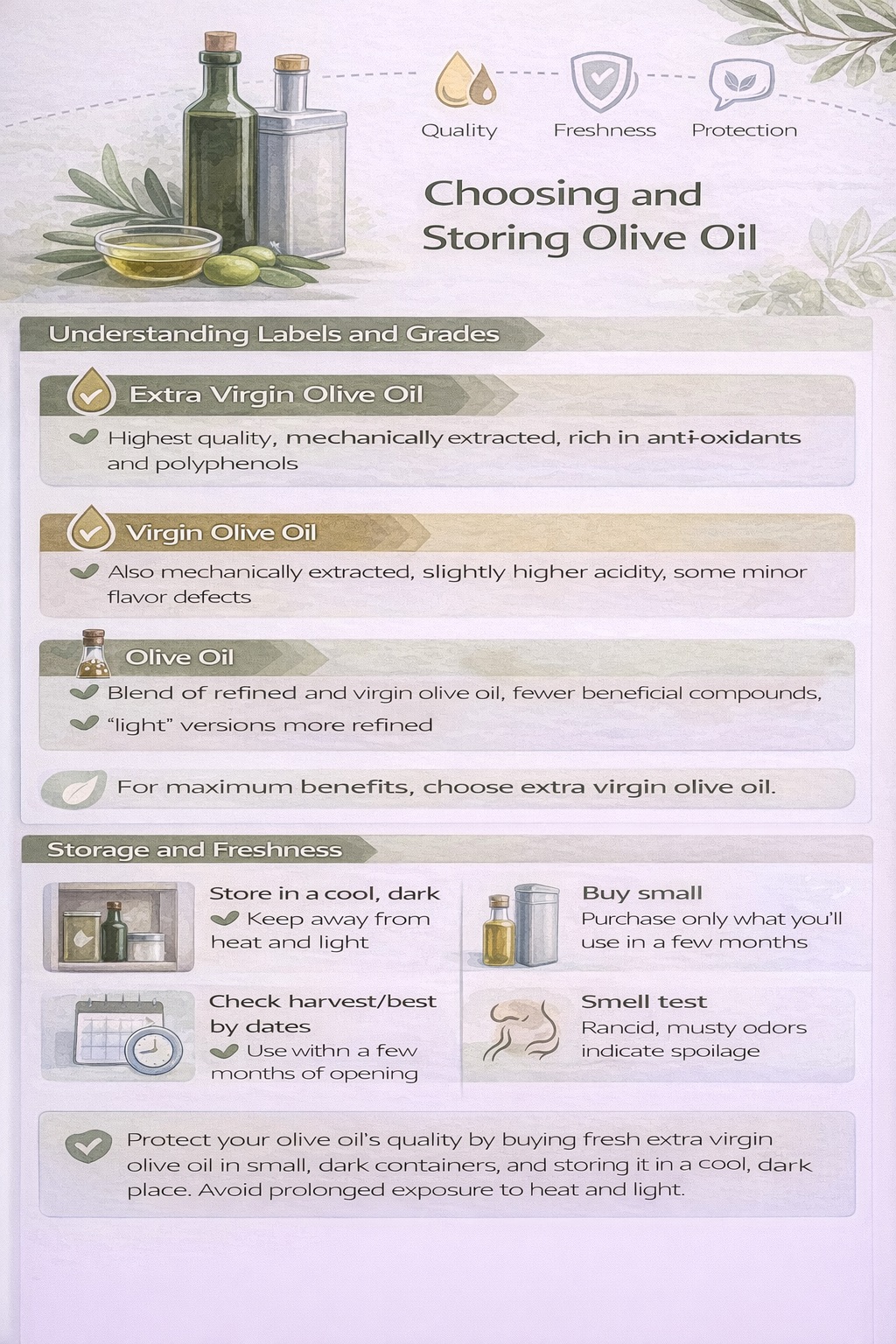
Extra virgin olive oil represents the highest quality grade, produced solely through mechanical means without chemical processing or excessive heat. It must meet specific standards for acidity, flavor, and absence of defects. This is the grade with the highest levels of beneficial polyphenols and antioxidants.
Virgin olive oil is also mechanically extracted but has slightly higher acidity and may have minor flavor defects. It still contains beneficial compounds, though typically at lower levels than extra virgin.
Regular olive oil (sometimes labeled “pure olive oil” or just “olive oil”) is a blend of refined olive oil and virgin or extra virgin olive oil. The refining process removes most polyphenols and other minor compounds, so while you still get olive oil’s favorable fatty acid profile, you miss out on many additional benefits.
Light olive oil doesn’t mean lower in calories—all olive oils contain the same calories per volume. “Light” refers to lighter flavor and color, achieved through more extensive refining. These oils have minimal beneficial compounds beyond monounsaturated fats.
For health benefits, stick with extra virgin olive oil. The price premium over regular olive oil is worth it for the additional beneficial compounds.
Storage and Freshness
Olive oil’s beneficial compounds degrade over time and with exposure to heat, light, and oxygen. Proper storage preserves quality and nutritional value.
Store olive oil in a cool, dark place—a pantry away from the stove is ideal. Avoid storing near heat sources or in bright sunlight. While refrigeration extends shelf life, cold temperatures cause olive oil to solidify; it will reliquefy at room temperature without harm.
Buy olive oil in dark glass bottles or tins rather than clear containers, as light accelerates degradation. Purchase quantities you’ll use within a few months rather than huge containers that will sit for extended periods.
Check harvest or “best by” dates when purchasing. Fresher is better—olive oil doesn’t improve with age. Once opened, use within a few months for best quality.
If your olive oil smells rancid, waxy, or musty rather than fresh and fruity, it has degraded. Rancid oil won’t make you sick, but it loses beneficial compounds and doesn’t taste good.
Practical Ways to Use More Olive Oil
Understanding olive oil’s benefits means little if you don’t actually incorporate it into your regular eating pattern. Here are practical ways to make olive oil a dietary staple without requiring major lifestyle changes.
Simple Swaps and Substitutions
Replace butter on bread with olive oil for dipping. This traditional Mediterranean practice significantly reduces saturated fat while adding beneficial compounds. Season the olive oil with herbs, garlic, or black pepper for additional flavor.
Use olive oil instead of butter for cooking vegetables. Sautéing vegetables in olive oil rather than butter improves the overall nutritional profile of the dish while delivering excellent flavor.
Make your own salad dressings using olive oil as the base. Many store-bought dressings contain refined oils, added sugars, and preservatives. A simple vinaigrette of extra virgin olive oil, vinegar or lemon juice, mustard, and seasonings tastes better and provides more nutritional benefits.
Substitute olive oil for butter or other fats in baking when appropriate. While this doesn’t work for all recipes, many baked goods work well with olive oil, which adds moisture and creates excellent texture.
Enhancing Everyday Meals
Drizzle extra virgin olive oil over finished dishes as a flavor enhancer and nutritional boost. Soups, grains, roasted vegetables, and proteins all benefit from a finishing drizzle of high-quality olive oil.
Use olive oil as the cooking medium for eggs—scrambled, fried, or in omelets. This daily breakfast routine provides a simple way to incorporate beneficial fats into your morning meal.
Roast vegetables with olive oil for a delicious side dish rich in both vegetables and healthy fats. The combination of nutrient-dense vegetables and olive oil creates a nutritional powerhouse.
Marinate proteins in olive oil-based marinades before cooking. This both enhances flavor and provides a protective effect during cooking, reducing formation of potentially harmful compounds that can form when meat is exposed to high heat.
What Olive Oil Won’t Do
While olive oil provides genuine health benefits, it’s important to maintain realistic expectations about what any single food can accomplish.
Olive Oil Isn’t a Magic Cure
No single food, no matter how beneficial, can compensate for an otherwise poor diet and lifestyle. Eating processed foods, excessive sugar, and inadequate vegetables while drizzling olive oil on everything won’t produce good health outcomes.
Olive oil works synergistically with other components of healthy dietary patterns—abundant vegetables and fruits, whole grains, legumes, fish, and moderate amounts of dairy and poultry. The Mediterranean diet’s benefits come from the total pattern, not just olive oil in isolation.
Similarly, dietary improvements can’t completely overcome other negative health behaviors. Smoking, excessive alcohol consumption, chronic stress, inadequate sleep, and sedentary behavior all harm health in ways that olive oil consumption can’t reverse.
Context and Quantity Matter
The benefits of olive oil accrue from regular, moderate consumption within a healthy overall diet. Consuming massive quantities of olive oil doesn’t provide proportionally greater benefits and adds excessive calories that could lead to weight gain.
The research supporting olive oil’s benefits typically involves consumption of two to four tablespoons daily within the context of Mediterranean dietary patterns. This provides a reasonable target—enough to benefit from olive oil’s properties without consuming excessive calories.
How you use olive oil matters. Frying foods in large amounts of olive oil adds significant calories even if you’re using a healthy fat. Using olive oil to make vegetables more palatable—encouraging consumption of more nutrient-dense foods—provides benefits beyond the olive oil itself.
The Bottom Line on Olive Oil and Health
When you choose olive oil over butter for cooking, opt for an olive oil-based vinaigrette instead of ranch dressing, or dip bread in olive oil rather than spreading it with butter, you’re making a choice that science supports as beneficial for health.
The benefits aren’t dramatic or immediate—you won’t feel different after eating olive oil the way you might after taking medication. Instead, the advantages accumulate over time through consistent incorporation into your regular eating pattern. Over months and years, olive oil consumption as part of a healthy diet contributes to better cardiovascular health, reduced inflammation, improved metabolic function, and potentially better cognitive health as you age.
For busy professionals managing demanding careers, olive oil represents an easy, practical dietary choice that doesn’t require complex meal planning or difficult behavioral changes. It’s as simple as keeping a bottle of extra virgin olive oil on your counter and reaching for it instead of other cooking fats.
The research supporting olive oil’s benefits is robust and comes from multiple sources—long-term observational studies, randomized controlled trials, mechanistic laboratory research, and real-world dietary patterns associated with longevity and health. Organizations including the American Heart Association, Harvard School of Public Health, and the Mayo Clinic (mayoclinic.org) all recognize olive oil as part of heart-healthy dietary patterns.
At Wellness Readers Digest, we emphasize evidence-based, practical health strategies that fit into real life without requiring perfection or extreme measures. Olive oil exemplifies this approach—it’s an ordinary pantry staple with extraordinary health benefits, backed by solid science and easy to incorporate into daily eating.
The question isn’t whether you should use olive oil—the evidence supporting its benefits is clear. The question is whether you’ll actually do it consistently enough to reap those benefits. Keep good quality extra virgin olive oil accessible in your kitchen. Use it generously within reason. Make it your default cooking fat and salad dressing base. These simple habits, maintained over time, contribute meaningfully to your long-term health in ways that are both scientifically validated and practically achievable.