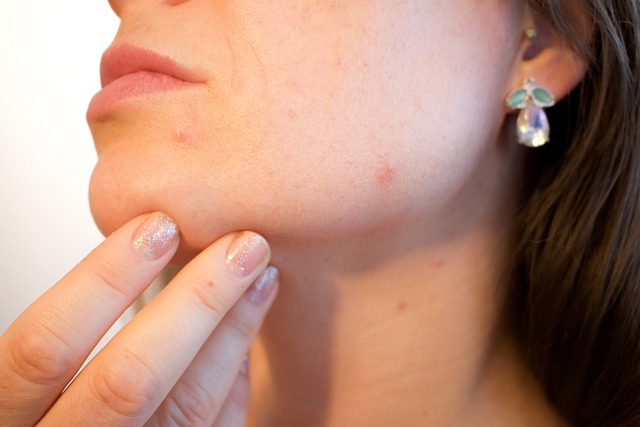
Adult cystic acne can be one of the most frustrating skin conditions to treat. Unlike teenage acne that often responds to basic treatments, hormonal adult acne requires a more sophisticated approach. A growing number of dermatologists are prescribing combination therapies that target multiple causes of acne simultaneously, with impressive results for stubborn breakouts.
The combination of topical spironolactone, tretinoin, and niacinamide represents one of the most effective approaches to treating persistent adult acne. This triple therapy addresses hormonal factors, cellular turnover, inflammation, and pore congestion all at once.
What makes adult cystic acne different from teenage acne?
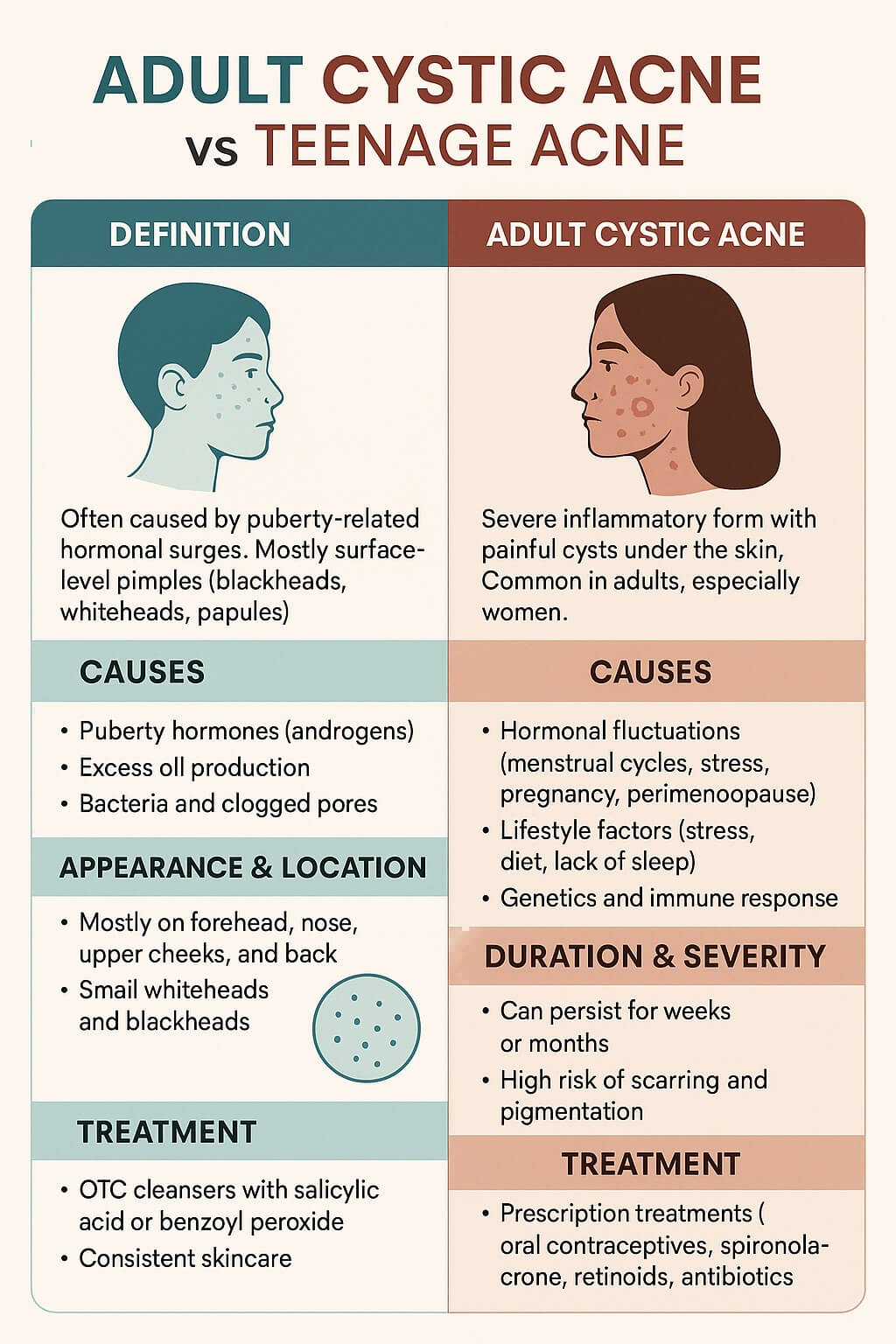
Adult cystic acne differs significantly from the acne experienced during adolescence. Cystic acne is a severe type of inflammatory acne that causes painful, pus-filled pimples underneath the skin that can scar. These deep, inflamed lesions form when oil and dead skin cells become trapped in hair follicles, creating an ideal environment for bacteria to multiply.
Hormonal acne causes nodules, cysts and scarring and is a common cause of chronic acne in adult women. Unlike surface-level whiteheads and blackheads, cystic acne develops deep within the skin and can persist for weeks or months. The inflammatory response is much more intense, leading to significant pain and potential permanent scarring.
Adult hormonal acne typically appears along the jawline, chin, and lower cheeks, areas rich in hormone-sensitive sebaceous glands. The cyclical nature of this acne often correlates with menstrual cycles, stress levels, and hormonal fluctuations that continue well into adulthood.
How does topical spironolactone work for acne treatment?
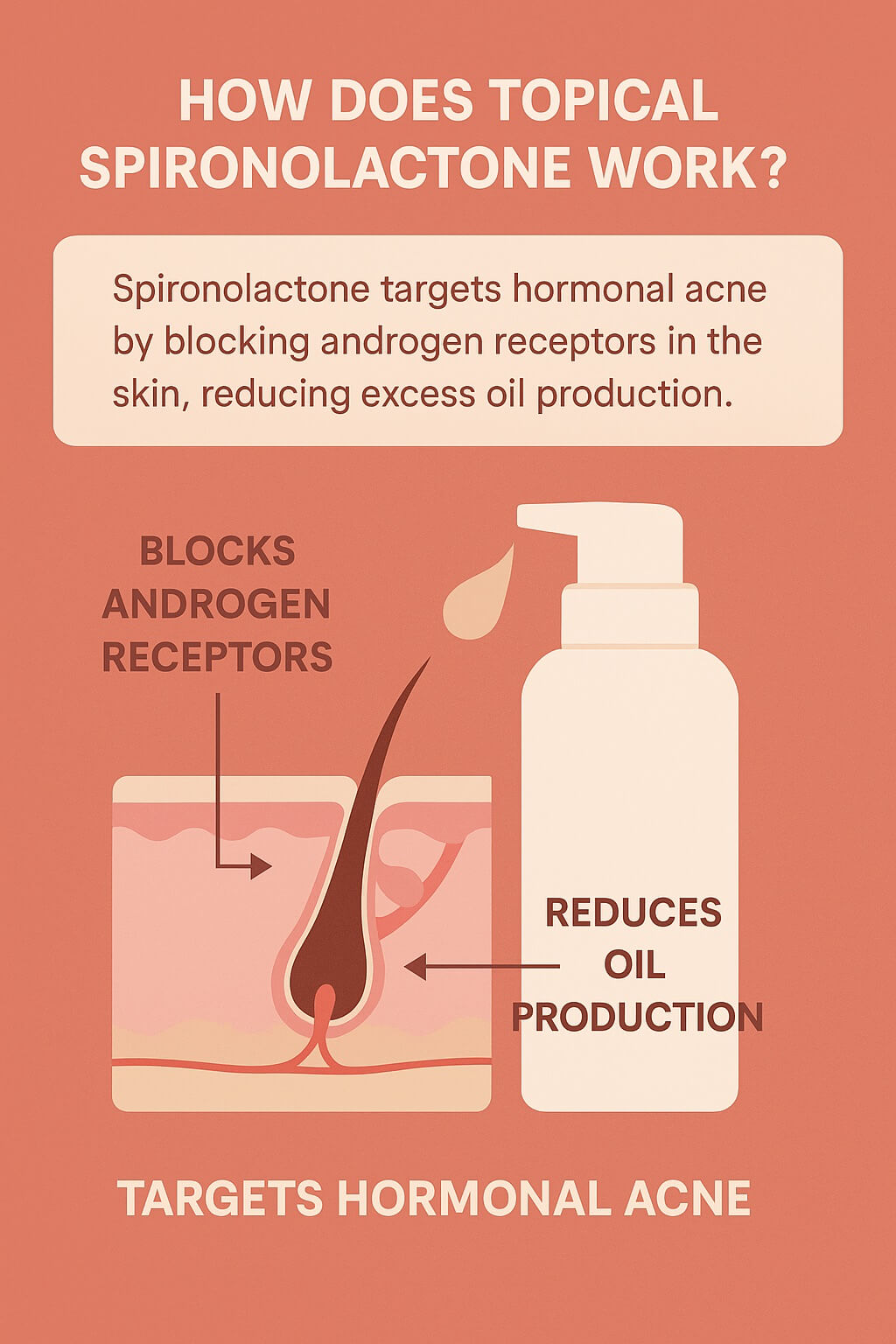
Topical spironolactone represents a breakthrough in hormonal acne treatment because it addresses one of the root causes directly at the skin level. Unlike oral spironolactone, which works systemically, the topical version targets androgen receptors specifically in the skin without affecting the entire body.
Spironolactone targets hormonal acne by blocking androgen receptors in the skin. Androgens like testosterone stimulate sebaceous glands to produce excess oil, creating the perfect environment for acne development. By blocking these receptors topically, spironolactone reduces oil production directly where it’s needed most.
Topical spironolactone formulations are designed for targeted treatment of acne vulgaris and can be dispensed through pump mechanisms for easy and precise application. This targeted approach allows for higher concentrations at the treatment site while minimizing systemic absorption and potential side effects.
The anti-androgenic effects of topical spironolactone become particularly important for women who experience acne flares related to hormonal cycles, PCOS, or other androgen-driven conditions.
Why is tretinoin considered the gold standard for acne treatment?
Tretinoin remains one of the most researched and effective acne treatments available. This vitamin A derivative works by normalizing skin cell turnover, preventing the formation of comedones, and reducing inflammation at the cellular level.
The mechanism of tretinoin involves binding to specific receptors in skin cells, accelerating the natural exfoliation process. This prevents dead skin cells from accumulating in hair follicles, which is the initial step in acne formation. Additionally, tretinoin promotes collagen production and can help improve the appearance of acne scars over time.
The addition of spironolactone to topical retinoid treatment suggests a superior response to retinoids alone in clearance of female adult cyclical acne. This research finding highlights why combination therapy often succeeds where single-ingredient treatments fail.
Tretinoin also increases skin cell turnover, which helps other active ingredients penetrate more effectively. This synergistic effect makes tretinoin an excellent foundation for combination acne therapies.
What role does niacinamide play in acne treatment combinations?
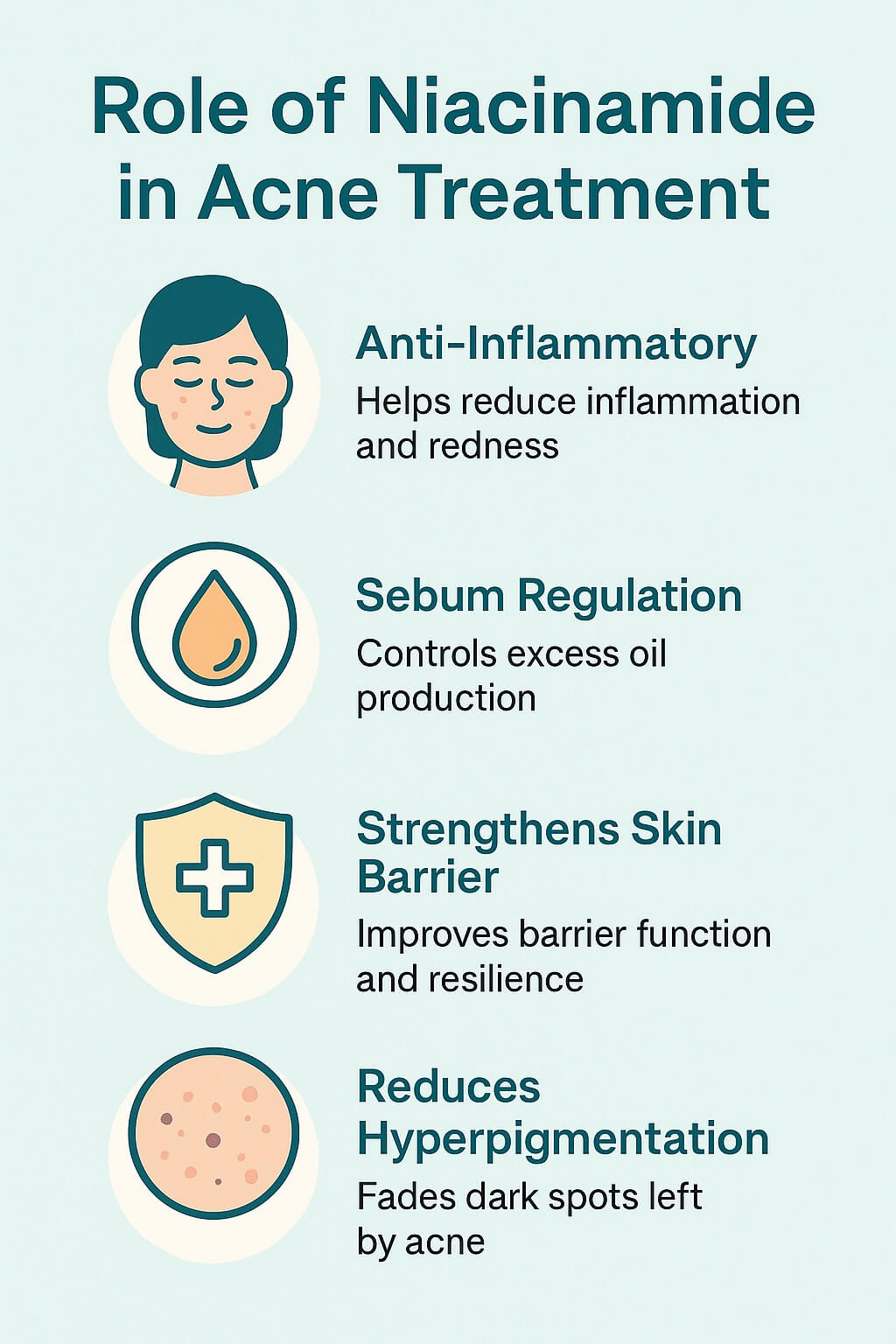
Niacinamide, also known as nicotinamide or vitamin B3, serves multiple functions in acne treatment that complement both spironolactone and tretinoin. Its anti-inflammatory properties help reduce the redness and irritation associated with acne, while its sebum-regulating effects help control oil production.
The anti-inflammatory action of niacinamide is particularly valuable in combination therapies because it can help minimize irritation from more potent ingredients like tretinoin. This allows patients to tolerate higher concentrations of active ingredients with fewer side effects.
Niacinamide also helps strengthen the skin barrier function, which is often compromised in acne-prone skin. A healthier skin barrier is more resistant to bacterial invasion and environmental irritants that can worsen acne.
Additionally, niacinamide has been shown to reduce post-inflammatory hyperpigmentation, helping to fade dark spots left behind by healed acne lesions.
How do these three ingredients work together synergistically?
The combination of topical spironolactone, tretinoin, and niacinamide creates a comprehensive approach to acne treatment that addresses multiple pathways simultaneously. Each ingredient contributes unique benefits while complementing the others’ effects.
Spironolactone reduces the hormonal stimulus for oil production, while tretinoin prevents the accumulation of dead skin cells that can trap oil in pores. Niacinamide helps control inflammation and supports skin barrier function, making the skin more tolerant of the other active ingredients.
This multi-targeted approach is particularly effective for adult women with hormonal acne because it addresses both the underlying hormonal triggers and the secondary inflammatory processes. The result is often more complete clearing than what’s achievable with any single ingredient.
The combination also allows for lower concentrations of each individual ingredient while maintaining effectiveness, potentially reducing side effects and improving patient compliance.
What should you expect during the first month of treatment?
Starting combination therapy with these three ingredients often triggers what dermatologists call a “purging” period. This temporary worsening occurs as tretinoin accelerates skin cell turnover, bringing existing comedones to the surface more quickly.
During the first few weeks, many patients experience increased breakouts, skin flaking, and mild irritation. This is typically a sign that the treatment is working, as it indicates that clogged pores are being cleared out. The purging process usually peaks around week 3-4 and then begins to subside.
Skin peeling and flaking are common during the initial treatment period, particularly from tretinoin’s effects on cell turnover. While this might seem concerning, it often results in smoother, more refined skin texture once the adjustment period is complete.
Most patients begin to see improvement in their acne by the end of the first month, with continued progress over the following months. The key is persistence and patience during this initial adjustment period.
How long does it typically take to see significant results?
Studies show that the combination of spironolactone with topical retinoids provides superior results compared to retinoids alone in treating adult female acne. However, significant improvement typically requires consistent use for 3-4 months.
The timeline for results varies among individuals, but most patients notice some improvement within 6-8 weeks. Cystic lesions often take longer to resolve than surface acne, so patience is essential for those with deeper, more inflammatory acne.
Peak benefits are usually achieved around the 3-6 month mark, with continued improvement possible for up to a year of consistent use. The key is maintaining the treatment regimen even after initial improvement, as stopping too early often leads to acne recurrence.
Some patients experience fluctuations in their results, particularly women whose acne is tied to hormonal cycles. Over time, these fluctuations typically become less pronounced as the skin adapts to treatment.
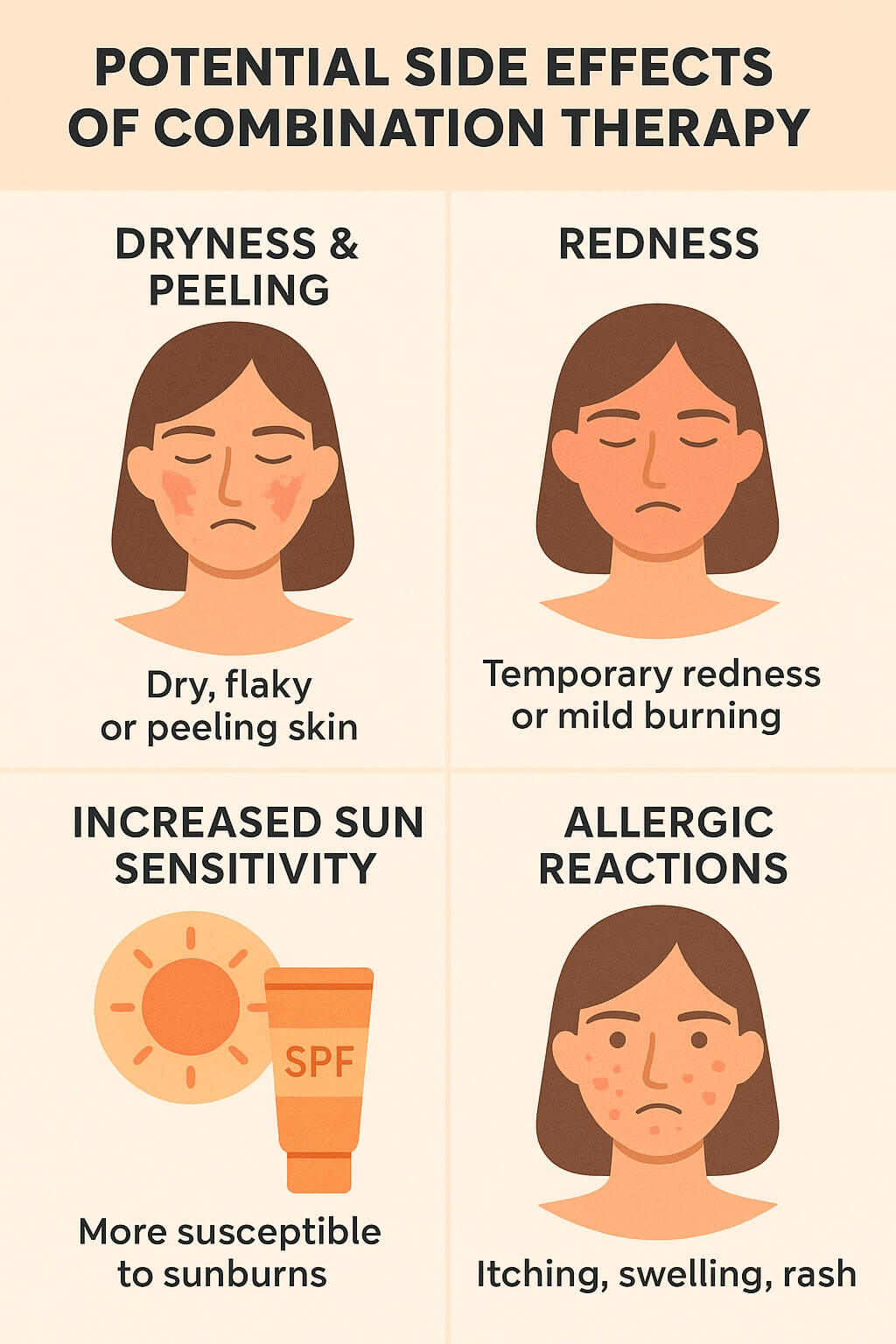
What are the potential side effects of this combination therapy?
While generally well-tolerated, combination therapy can cause side effects, particularly during the initial weeks of treatment. The most common side effects are related to skin irritation and adjustment to the active ingredients.
Dryness and peeling are the most frequent side effects, primarily from tretinoin’s effects on skin cell turnover. This usually improves as the skin adapts to treatment, typically within 4-6 weeks. Using a gentle moisturizer can help minimize these effects.
Some patients experience temporary redness or mild burning sensation, especially when first starting treatment. This is usually manageable with proper application techniques and gradual introduction of the medication.
Increased sun sensitivity is a significant consideration with tretinoin-containing formulations. Patients must use broad-spectrum sunscreen daily and avoid excessive sun exposure to prevent burns and hyperpigmentation.
Rarely, some individuals may experience allergic reactions to one of the components. Any severe irritation, persistent redness, or signs of allergy should be evaluated by a healthcare provider.
Who is the best candidate for triple therapy treatment?
This combination therapy is particularly effective for adult women with persistent hormonal acne, especially those who have not responded adequately to single-ingredient treatments. It’s particularly beneficial for patients with cystic acne along the jawline, chin, and lower face.
Women with PCOS or other androgen-related conditions often see excellent results with topical spironolactone combinations. The hormonal component of their acne responds well to androgen receptor blocking while the other ingredients address inflammation and cellular turnover.
Patients who have experienced side effects from oral hormonal treatments may find topical alternatives more tolerable while still achieving significant improvement in their acne.
However, this treatment may not be suitable for everyone. Pregnant or breastfeeding women should avoid tretinoin, and those with very sensitive skin may need to start with lower concentrations or modified formulations.
How does this compare to other popular acne treatments?
Traditional acne treatments like benzoyl peroxide and salicylic acid work primarily on the surface level, targeting bacteria and providing mild exfoliation. Benzoyl peroxide can effectively treat hormonal acne by targeting bacteria, but it doesn’t address the underlying hormonal component.
Oral medications like isotretinoin (commonly known by former brand names) are highly effective but come with significant side effects and monitoring requirements. The topical combination offers a middle ground between mild over-the-counter treatments and systemic medications.
Cystic acne treatment options include steroid injections, birth control, dietary changes, and laser therapy. However, topical combination therapy offers the advantage of targeting multiple acne pathways without the systemic effects of oral medications.
Compared to single-ingredient prescription treatments, combination therapy often provides faster and more complete clearing while reducing the risk of bacterial resistance that can develop with long-term antibiotic use.
What should you know about working with a dermatologist for this treatment?
Getting combination therapy typically requires consultation with a dermatologist or qualified healthcare provider who can assess your specific acne pattern and prescribe appropriate formulations. Many dermatologists now offer telemedicine consultations, making specialized care more accessible.
The prescribing provider will consider your medical history, current medications, pregnancy status, and previous acne treatments when determining if this combination is appropriate. They may also recommend starting with lower concentrations and gradually increasing strength based on your skin’s response.
Regular follow-up appointments help monitor progress and adjust the treatment plan as needed. Most providers recommend check-ins at 6-8 week intervals during the first few months of treatment.
Custom compounding pharmacies often prepare these combination formulations, allowing for precise concentration adjustments based on individual needs and tolerance levels.
Tips for maximizing success with combination therapy
Starting slowly is crucial for treatment success and tolerance. Many dermatologists recommend beginning with every-other-night application for the first week, then gradually increasing to nightly use as tolerated.
Proper application technique involves applying a thin layer to clean, dry skin. Using too much product doesn’t improve effectiveness and may increase irritation. The medication should be applied at least 20 minutes before other skincare products.
Moisturizer selection becomes important when using combination therapy. Look for non-comedogenic, fragrance-free formulations that won’t interfere with treatment effectiveness. Applying moisturizer over the medication can help reduce dryness and irritation.
Consistency is key to achieving optimal results. Missing applications or stopping treatment prematurely often leads to disappointing outcomes and potential acne recurrence.
Long-term considerations and maintenance
Most patients who achieve good results with combination therapy need to continue treatment long-term to maintain clear skin. However, some dermatologists may adjust concentrations or modify the regimen once acne is well-controlled.
The need for maintenance therapy varies among individuals. Some patients can eventually transition to less frequent applications or lower concentrations, while others require consistent daily use to prevent acne recurrence.
Regular skin monitoring remains important even after achieving clear skin. Changes in hormones, stress levels, or other factors can affect acne patterns and may require treatment adjustments.
The long-term safety profile of topical combination therapy is generally favorable, with most side effects being related to initial skin adjustment rather than cumulative toxicity.
Making an informed decision about treatment
Combination therapy with topical spironolactone, tretinoin, and niacinamide represents a significant advancement in adult acne treatment. The ability to target hormonal, cellular, and inflammatory components of acne simultaneously offers hope for patients who have struggled with persistent breakouts.
The key to success lies in realistic expectations, proper application, and patience during the initial adjustment period. While the first month may involve some temporary worsening, the potential for significant long-term improvement makes this treatment worth considering for appropriate candidates.
Working with a qualified healthcare provider ensures proper evaluation, customized treatment planning, and ongoing monitoring for optimal results. With the right approach and commitment to consistent use, many patients achieve the clear skin they’ve been seeking for years.