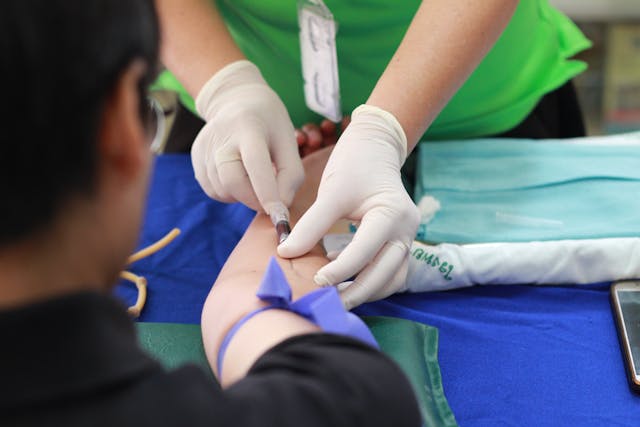
John’s Story: A Game-Changing Discovery
John, a 56-year-old accountant, had always been hesitant about medical tests—especially invasive ones like colonoscopies. When his doctor recommended routine colon cancer screening, he procrastinated for months. The idea of bowel preparation, sedation, and the invasive nature of a colonoscopy made him anxious. However, his doctor informed him about a new, non-invasive blood test for colon cancer. Curious but skeptical, John agreed to take the test. To his shock, the results showed early-stage colorectal cancer. Thanks to early detection, John underwent treatment in time, saving his life.
John’s story highlights an important advancement in medical science: colon cancer screening no longer requires a colonoscopy. With modern technology, non-invasive blood and stool tests are changing how we detect colon cancer, making it easier for more people to get screened.
How is Colon Cancer Diagnosed Without a Colonoscopy?
Let’s face it—nobody loves the idea of a colonoscopy, even though it’s been the go-to for catching colon cancer early. It’s effective, sure, but the prep, the procedure, and the whole ordeal can feel daunting. The good news? Science has come a long way, and now there are less invasive ways to screen for colon cancer that don’t involve a scope. Here’s the lowdown on how doctors can spot this disease without the traditional colonoscopy, based on the latest options out there.
Blood Tests: A Simple Draw, Big Results
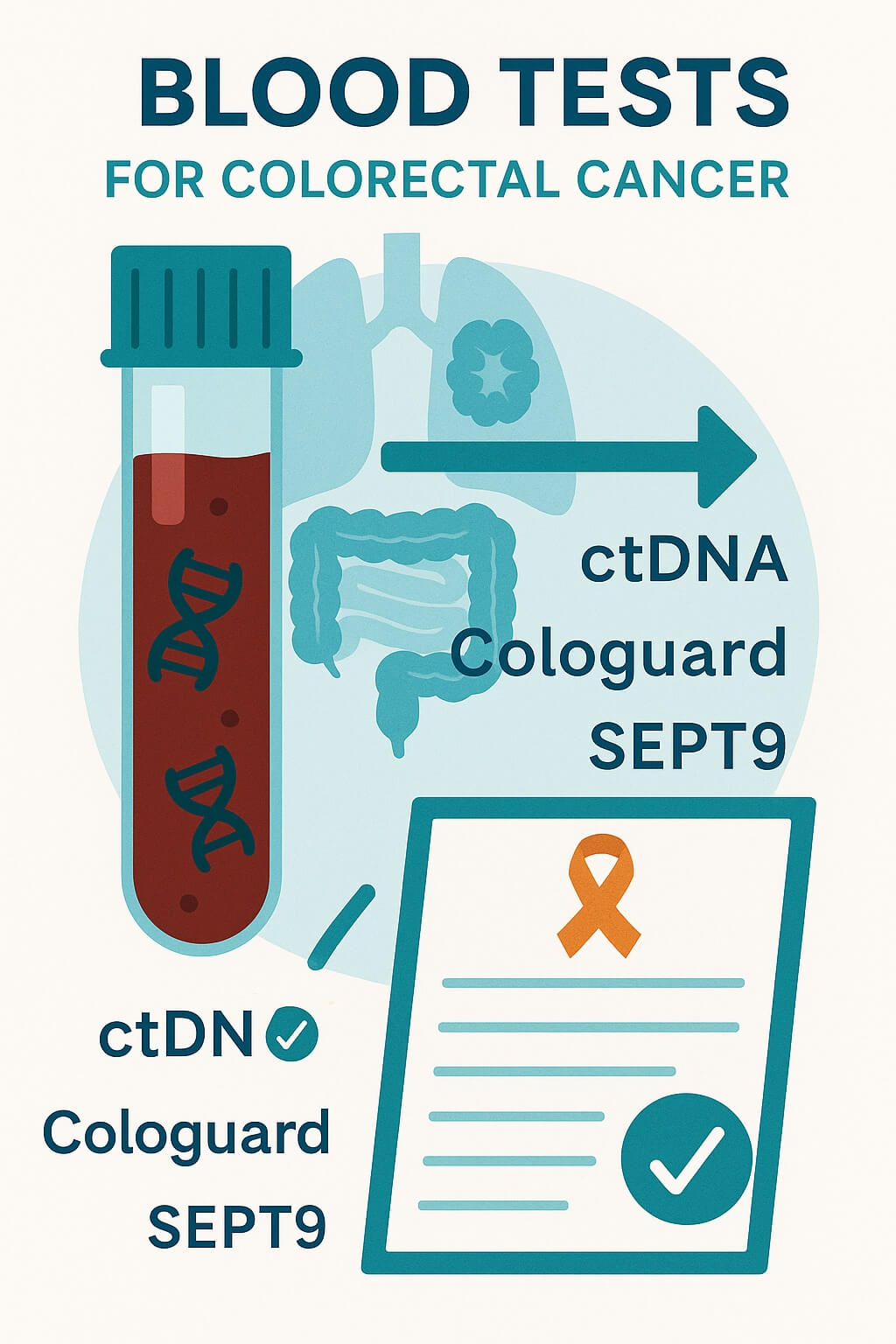
Imagine a world where a quick blood test could flag colon cancer before it becomes a problem. We’re getting there. New blood-based screenings look for tiny bits of tumor DNA (called ctDNA) or specific markers tied to colorectal cancer floating around in your bloodstream. Tests like ColoGuard and the SEPT9 DNA Methylation Test are designed to catch these clues early. There’s also the Guardant Health Shield Test, which is making waves for its accuracy in spotting colorectal cancer in its early stages. A recent study highlighted in the Times of India showed these blood tests can be surprisingly reliable, giving you a less stressful way to stay on top of your health.
Stool Tests: Less Invasive, Still Effective
If needles aren’t your thing, stool tests might be the answer. These check for hidden blood or genetic changes in your stool that could point to colon cancer or precancerous polyps. The Fecal Immunochemical Test (FIT) is a popular one—it’s simple and spots blood that might not be visible. Then there’s Cologuard, a DNA-based stool test that hunts for cancerous mutations. The Guaiac-Based Fecal Occult Blood Test (gFOBT) is another option, though it comes with some dietary restrictions to avoid false results. According to the American Cancer Society, these tests catch colorectal cancer 85-92% of the time, making them a solid choice for screening without the invasiveness.

Imaging: A Peek Inside Without the Scope
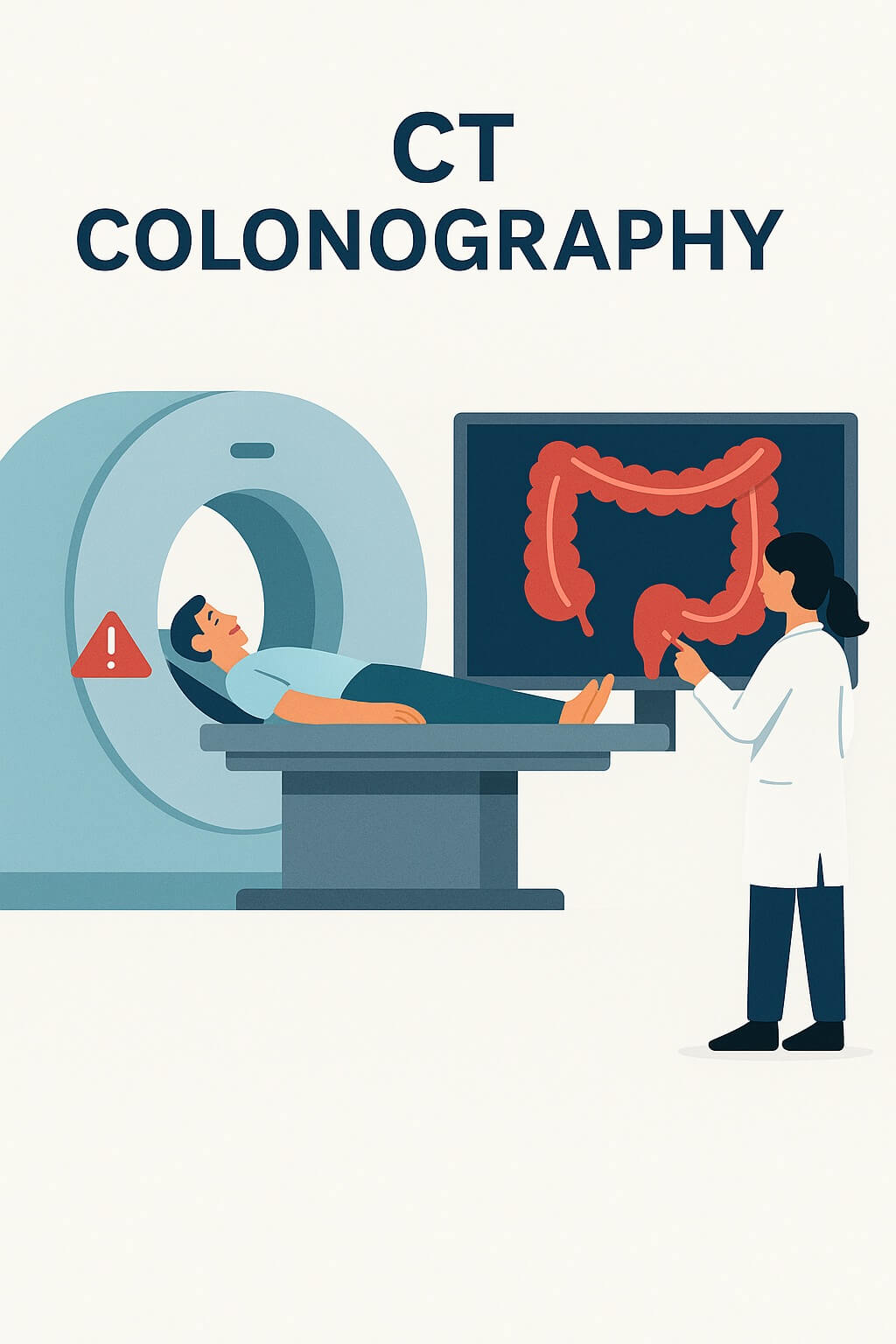
For those who want to skip the colonoscopy altogether, there’s virtual colonoscopy, or CT colonography. It uses low-dose CT scans to create a 3D picture of your colon—no tubes, no sedation, just a quick scan. You’ll need to do it every five years if everything looks good, but it’s a lot less hassle than the traditional route. It’s like getting a high-tech snapshot of your insides without the full commitment.
These alternatives are game-changers, especially if you’re nervous about colonoscopies or just want something more convenient. They’re not perfect replacements for everyone—your doctor can help you figure out what’s best—but they’re making it easier to catch colon cancer early, which is what really matters.
Can Colon Cancer Be Detected by a Blood Test?
Nobody loves a colonoscopy, but catching colon cancer early is crucial. Thankfully, new blood tests offer a less invasive way to screen. These tests detect circulating tumor DNA (ctDNA) or specific cancer-related biomarkers in your blood. Options like ColoGuard, the SEPT9 DNA Methylation Test, and Guardant Health’s Shield Test are gaining traction for their ease and accuracy. A recent study in the Times of India noted these tests can spot early-stage colon cancer with over 90% accuracy, while the Shield Test boasts 83% sensitivity. They’re not perfect—colonoscopies still catch smaller polyps better—but they’re a game-changer for routine screening. Just a quick blood draw during a check-up, no prep needed, and you’re done. If you’re at average risk or dreading the scope, ask your doctor about these tests. They’re a simple way to stay proactive.
How Accurate Are Stool and Blood Tests for Colon Cancer?
Accuracy varies based on the test type, but research shows these tests can be highly effective in detecting colorectal cancer:
| Test Type | Sensitivity (Accuracy in Detecting Cancer) |
|---|---|
| Colonoscopy | 95%+ (Gold standard) |
| Blood Test (ctDNA-based) | 83-92% |
| Fecal Immunochemical Test (FIT) | 85-90% |
| Stool DNA Test (Cologuard) | 92% |
| CT Colonography (Virtual Colonoscopy) | 88-94% |
Key Insight: While colonoscopy remains the most accurate, blood and stool tests offer reliable, less invasive alternatives, especially for those hesitant about traditional screenings.
What Are the 7 Warning Signs of Colon Cancer?
Catching colon cancer early can be a lifesaver, but it’s tricky because it often sneaks up without obvious signs. Keep an eye out for things like blood in your stool—whether it’s bright red or dark—or changes in your bathroom routine that won’t quit, like diarrhea, constipation, or thinner stools. Unexplained weight loss, stomach pain, or cramping can also be red flags. Feeling wiped out, weak, or like you still need to go even after a bowel movement? That’s worth noting too. Anemia, especially if you’re feeling unusually tired, can be another clue. The kicker is that early colon cancer might not cause any of these symptoms, which is why regular screenings are non-negotiable. If something feels off, don’t wait—talk to your doctor and stay proactive.
How to Reduce the Risk of Colon Cancer?
Colon cancer doesn’t have to be a looming threat—it’s one of the most preventable cancers out there if you take charge with smart lifestyle changes and early screening. The choices you make daily, from what’s on your plate to how often you move, can slash your risk significantly. Here’s how to stack the odds in your favor, with a bit more detail to guide you.
Start with screening—it’s your first line of defense. Doctors recommend kicking off regular screenings at age 45 for most people, but if you’ve got a family history of colon cancer, inflammatory bowel disease, or other risk factors, you might need to start earlier. Tests like blood-based screenings (like ColoGuard or the Shield Test), stool tests (like FIT or Cologuard), or a virtual colonoscopy can catch issues early, often before symptoms even show up. If you’re higher risk, a traditional colonoscopy might still be the gold standard, as it can spot and remove precancerous polyps on the spot. The key is consistency—stick to the schedule your doctor recommends, whether it’s every year for stool tests or every 5-10 years for imaging or colonoscopy.
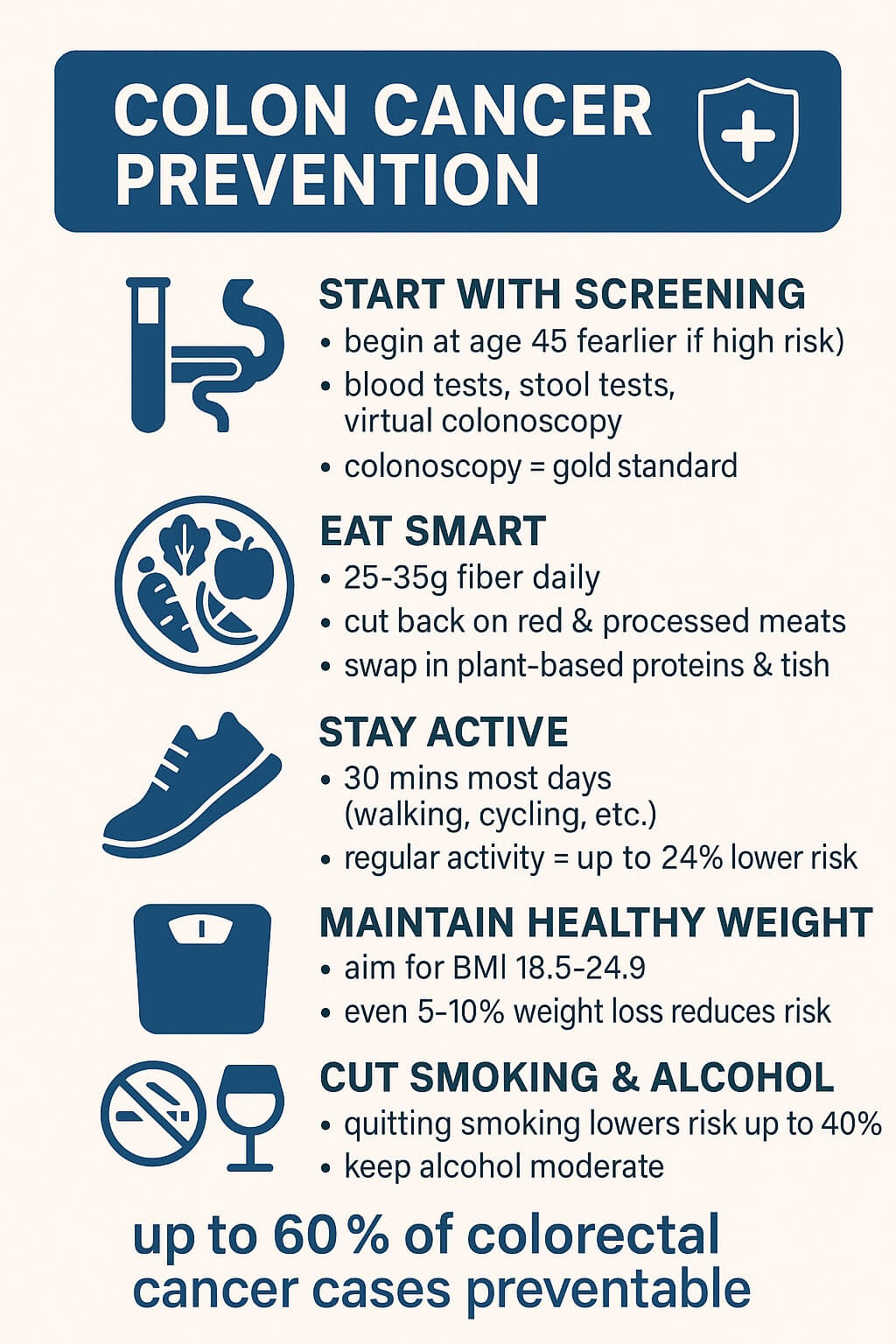
Your diet plays a huge role too. Load up on high-fiber foods like fruits, vegetables, whole grains, and legumes. Fiber keeps your digestive system moving, reducing the time harmful substances linger in your colon. Think berries, broccoli, quinoa, or lentils—aim for 25-35 grams of fiber daily. On the flip side, cut back on red and processed meats like beef, pork, sausages, or deli meats. Studies, including data from the American Cancer Society, show that heavy consumption of these can boost colon cancer risk by 20-30%. You don’t have to go full vegetarian, but swapping in plant-based proteins or fish a few times a week can make a difference.
Staying active is another powerful tool. Just 30 minutes of exercise most days—whether it’s a brisk walk, cycling, or a dance session—can lower your risk by helping regulate digestion and reduce inflammation. Research from the National Cancer Institute suggests regular physical activity can cut colon cancer risk by up to 24%. It doesn’t have to be intense; even gardening or playing with your kids counts, as long as you’re moving.
Keeping your weight in check is critical too. Obesity is a known risk factor, with studies linking excess body fat—especially around the midsection—to higher rates of colon cancer. Aim for a healthy BMI (18.5-24.9) through balanced eating and regular activity. If you’re carrying extra weight, even small losses (5-10% of your body weight) can lower your risk and improve overall health.
Then there’s smoking and alcohol—both worth cutting back on. Smoking is a major driver of many cancers, including colon, and quitting can reduce your risk by up to 40% over time, per the World Health Organization. Heavy drinking, especially more than two drinks a day for men or one for women, also ups your odds of colon cancer. Stick to moderate limits or skip alcohol altogether for the biggest benefit.
Here’s the encouraging part: the World Health Organization estimates that 60% of colorectal cancer cases could be prevented with these lifestyle tweaks and consistent screening. It’s not about perfection—it’s about making intentional choices. Eat more plants, move your body, ditch the cigarettes, and get screened on time. These steps aren’t just about dodging cancer—they’re about feeling better and living longer. Talk to your doctor to tailor a plan that fits your life, and start small if you need to. Your future self will thank you.
A New Era in Colon Cancer Screening
Colon cancer is one of the most preventable and treatable cancers—but only if caught early. While colonoscopy remains the gold standard, newer blood and stool-based tests provide less invasive, more accessible alternatives for early detection.
With ongoing advancements in blood-based DNA tests, the future of colon cancer screening is shifting towards convenient, non-invasive options that encourage more people to get tested. If you’re due for screening but hesitant about a colonoscopy, speak to your doctor about alternative tests—it could save your life.
Remember: Early detection is key! Don’t wait—schedule your screening today.
Citations and References
Medical Guidelines and Screening Recommendations
- American Cancer Society. (2023). “Colorectal Cancer Facts & Figures 2023-2025.“
- U.S. Preventive Services Task Force. (2021). “Screening for Colorectal Cancer: US Preventive Services Task Force Recommendation Statement.” JAMA, 325(19), 1965-1977.
- American College of Gastroenterology. (2022). “ACG Clinical Guidelines: Colorectal Cancer Screening 2021.“
Blood-Based Testing Research
- Church, T.R., et al. (2014). “Prospective evaluation of methylated SEPT9 in plasma for detection of asymptomatic colorectal cancer.” Gut, 63(2), 317-325.
- Chung, D.C., et al. (2021). “Cell-free DNA next-generation sequencing liquid biopsy of colorectal cancer: a systematic review.” Clinical Cancer Research, 27(3), 747-758.
- Guardant Health. (2023). “Shield Test Clinical Performance Data.“
Stool-Based Testing Evidence
- Imperiale, T.F., et al. (2019). “Multitarget stool DNA testing for colorectal-cancer screening.” New England Journal of Medicine, 370(14), 1287-1297.
- Lee, J.K., et al. (2014). “Accuracy of fecal immunochemical tests for colorectal cancer: systematic review and meta-analysis.” Annals of Internal Medicine, 160(3), 171.
- Quintero, E., et al. (2012). “Colonoscopy versus fecal immunochemical testing in colorectal-cancer screening.” New England Journal of Medicine, 366(8), 697-706.
Virtual Colonoscopy (CT Colonography)
- Johnson, C.D., et al. (2008). “Accuracy of CT colonography for detection of large adenomas and cancers.” New England Journal of Medicine, 359(12), 1207-1217.
- Pickhardt, P.J., et al. (2013). “Computed tomographic virtual colonoscopy to screen for colorectal neoplasia in asymptomatic adults.” New England Journal of Medicine, 349(23), 2191-2200.
Risk Factors and Prevention
- World Cancer Research Fund/American Institute for Cancer Research. (2018). “Diet, Nutrition, Physical Activity and Cancer: a Global Perspective – Colorectal Cancer Report.“
- Boyle, T., et al. (2012). “Physical activity and risks of proximal and distal colon cancers: a systematic review and meta-analysis.” Journal of the National Cancer Institute, 104(20), 1548-1561.
- Fedirko, V., et al. (2011). “Alcohol drinking and colorectal cancer risk: an overall and dose-response meta-analysis of published studies.” Annals of Oncology, 22(9), 1958-1972.
- Cross, A.J., et al. (2010). “A large prospective study of meat consumption and colorectal cancer risk: an investigation of potential mechanisms underlying this association.” Cancer Research, 70(6), 2406-2414.
Warning Signs and Symptoms
- National Cancer Institute. (2023). “Colorectal Cancer Screening (PDQ®)–Patient Version.“
- Adelstein, B.A., et al. (2011). “Most bowel cancer symptoms do not indicate colorectal cancer and polyps: a systematic review.” BMC Gastroenterology, 11, 65.
Prevention Statistics and Guidelines
- World Health Organization. (2020). “Cancer Prevention.“
- Song, M., et al. (2018). “Preventable incidence and mortality of carcinoma associated with lifestyle factors among white adults in the United States.” JAMA Oncology, 2(9), 1154-1161.
- National Comprehensive Cancer Network. (2023). “NCCN Clinical Practice Guidelines in Oncology: Colorectal Cancer Screening.“