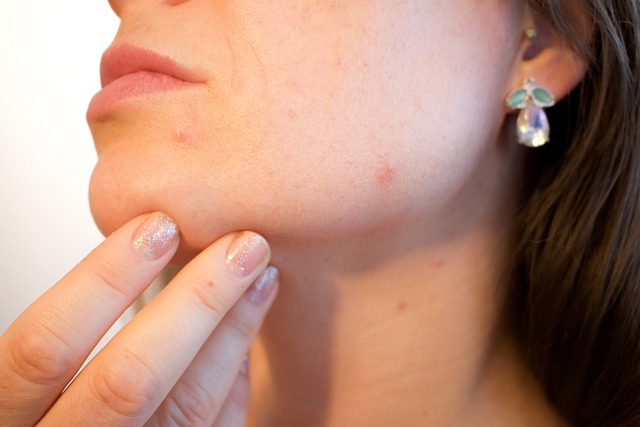
You’re in your 30s, living your best life, and then one day you notice it—a small, brownish spot on your hand or face that definitely wasn’t there before. Welcome to the club that nobody wanted to join: the age spots club.
If you’ve started seeing these dark patches appear on your skin, you’re not alone. Many people notice their first age spots in their 30s, and it can feel concerning, especially when you thought “age spots” were something you wouldn’t worry about until much later. But here’s the good news: age spots are completely harmless, and there are plenty of effective ways to reduce their appearance and prevent new ones from forming.
Let’s talk about what these spots really are, why they show up, and most importantly—what actually works to fade them and keep your skin radiant.
What Are Age Spots and Why Do They Appear in Your 30s?
Age spots are flat, oval areas of increased pigmentation that are usually tan to dark brown, and they occur on skin that has had the most sun exposure over the years, such as the backs of hands, tops of feet, face, shoulders and upper back.
Despite the name, age spots aren’t really about your age—they’re about sun exposure. Age spots result from the body producing excess melanin, the pigment that gives skin its color. When the skin is exposed to sunlight, the body produces extra melanin to protect it from the sun’s ultraviolet (UV) rays. The more melanin produced, the darker the skin becomes.

Think of them as your skin’s receipt for all those summers you spent by the pool, those beach vacations, and even your daily commute to work. Over time, excess melanin clumps together in certain spots instead of spreading evenly, creating those darker patches we call age spots.
Here’s why you might be noticing them now in your 30s: age spots are a sign that your skin is getting too much sun exposure, showing the cumulative damage from years of UV radiation penetrating deep into the skin. Even if you don’t feel like you’ve spent that much time in the sun, everyday exposure adds up. Ten to fifteen years of regular sun exposure without proper protection can start showing results in your 30s.
Age spots are also called liver spots or solar lentigines, though they have absolutely nothing to do with your liver. They’re simply a visible reminder of your skin’s history with the sun.
Are Age Spots Dangerous?
Let’s address the elephant in the room first: true age spots don’t need treatment, but they are a sign the skin has received a lot of sun exposure and are an attempt by your skin to protect itself from more sun damage. They’re completely benign and pose no health risk.
However, it’s important to know the difference between harmless age spots and something more serious. Age spots can sometimes resemble types of skin cancer, so it is important to be aware of the differences. Age spots are flat, while actinic keratosis (AK) growths, which are precancerous, usually feel rough.
If you notice any spot on your skin that’s changing in color, developing an irregular border, growing larger, feels rough or raised, or just looks different from your other spots, see a dermatologist for an evaluation. Better safe than sorry.
What Ingredients Actually Work to Fade Age Spots?
Now for the part you’ve been waiting for—what really works? If you’ve been reading about skincare ingredients online, you’ve probably come across names like vitamin C, niacinamide, and hydroquinone. Let’s break down what each one does and how effective they really are.

Vitamin C: The Brightening Powerhouse
Vitamin C is one of the most popular ingredients for treating age spots and hyperpigmentation, and for good reason. Vitamin C in skincare products can help reduce numerous photoaging indicators and produce skin that is smoother and more evenly toned. It increases the synthesis of collagen to reduce wrinkles and prevents dark spots.
What makes vitamin C special is its dual action: it’s both an antioxidant that protects your skin from future damage and a brightening agent that helps fade existing dark spots. Vitamin C’s potent antioxidant capabilities mean the ingredient will help to scavenge free radicals generated by the sun, a key contributor to dark spots and discoloration.
Research shows that vitamin C products can significantly reduce hyperpigmentation after consistent use for about 16 weeks. That’s roughly four months, so patience is key.
How to use it: Look for serums containing 10-20% vitamin C (l-ascorbic acid is the most effective form). Apply it in the morning before sunscreen for maximum protection and brightening benefits.
The catch: Vitamin C can be unstable and may irritate sensitive skin, especially at higher concentrations. Start with a lower percentage if you’re new to it.
Niacinamide: The Gentle Multi-Tasker
If you have sensitive skin or just want a gentler option, niacinamide (vitamin B3) is your friend. Studies on Japanese women show that niacinamide has the ability to significantly decrease hyperpigmentation and brighten the skin tone after 4 weeks of use.
Niacinamide works differently than vitamin C. Niacinamide prevents pigment from moving to skin cells. It calms inflammation and strengthens the skin barrier, helping your skin look smoother and more even.
Research comparing niacinamide to stronger treatments has shown promising results. Good to excellent improvement was observed with niacinamide in 44% of patients, compared to 55% with hydroquinone. Side effects were present in 18% with niacinamide versus 29% with hydroquinone. While slightly less powerful than prescription options, niacinamide is much gentler and still quite effective.
How to use it: Products with 4-5% niacinamide are generally safe and effective. You can use it morning and night, and it plays well with most other skincare ingredients.
The bonus: Niacinamide doesn’t just help with dark spots—it also reduces redness, regulates oil production, strengthens your skin barrier, and improves fine lines. It’s basically the overachiever of skincare ingredients.
Hydroquinone: The Gold Standard (But Use With Caution)
Prescription lightening creams containing hydroquinone used alone or with retinoids (tretinoin) and a mild steroid may gradually fade the spots over several months. Hydroquinone is considered the most effective topical treatment for fading dark spots.
Studies show that hydroquinone produces noticeable improvements within four weeks, with even better results after twelve weeks. Hydroquinone is the gold standard for fading dark spots by stopping melanin production.
The important part: Hydroquinone is powerful but requires careful use. It can cause irritation, and you have to be hyper vigilant, super diligent, and absolutely on top of your sun protection game while using hydroquinone, because if you’re not protecting your skin from the sun that pigment is going to reappear.
Many dermatologists recommend using hydroquinone in cycles—typically 3-4 months on, then taking a break before starting again if needed. It’s also prescription-only in many places, so you’ll need to see a dermatologist to get it.
Alternatives: If you’re concerned about hydroquinone’s side effects or want a gentler option, tranexamic acid has been shown to work just as effectively in studies with fewer irritation issues.
Other Helpful Ingredients
Beyond the big three, several other ingredients can help fade age spots:
Retinoids: These vitamin A derivatives speed up cell turnover, helping your skin shed pigmented cells faster while boosting collagen production. Start slowly to avoid irritation.
Kojic Acid: This natural ingredient blocks the enzyme needed for melanin production. It’s especially effective for stubborn spots.
Glycolic Acid: This exfoliating acid removes dead skin cells and promotes renewal, helping to fade surface-level pigmentation.
Tranexamic Acid: A newer ingredient that reduces melanin production and works well for persistent dark spots, with less irritation than hydroquinone.
Can You Combine These Ingredients?
Yes, and you probably should! Combining ingredients like Vitamin C with Niacinamide provides brightening and soothing benefits, while Retinoids plus Hydroquinone speed up fading, and Glycolic Acid with Vitamin C offers exfoliation and protection.
Despite old myths, using niacinamide and vitamin C together is actually beneficial. They work through different mechanisms, so combining them gives you comprehensive coverage against dark spots.
However, introduce new ingredients one at a time, about two weeks apart, so you can identify any that irritate your skin. And always patch-test new products on a small area first.
Professional Treatments That Work
If topical products aren’t giving you the results you want fast enough, professional treatments can provide more dramatic improvements:
Laser Therapy
Laser and intense pulsed light therapies can target melanin granules and melanin-producing cells without damaging the skin’s surface. Many people only need one or two sessions to see significant improvement.
Chemical Peels
Chemical peels involve applying an acid to release the outer layer of your skin, removing sun-damaged cells to freshen skin and fade spots. Deeper peels provide more dramatic results but require more recovery time.
Cryotherapy
Cryotherapy involves your dermatologist freezing age spots to damage the melanin-producing cells. Cryotherapy works quickly, but it may be uncomfortable.
Microdermabrasion
This treatment exfoliates the skin’s surface to promote new cell growth. Research shows that for some patients who had the treatment twice a week for 16 weeks, sun spots disappeared completely.
Most of these treatments require multiple sessions, and since age spots are considered cosmetic, insurance typically won’t cover the costs. Always consult with a board-certified dermatologist to discuss which option is best for your skin type and budget.
The Most Important Step: Prevention
Here’s the truth that everyone needs to know: the best treatment for age spots is preventing them in the first place. Even after you successfully fade existing spots, new ones can appear if you don’t protect your skin from UV damage.
Daily Sunscreen Is Non-Negotiable
A 2018 study indicates that using an SPF 30 cream daily can also prevent age spots from getting darker in the spring and summer.
Apply broad-spectrum sunscreen with at least SPF 30 every single day—yes, even on cloudy days, even in winter, and even when you’re working from home. UV rays penetrate windows, and they’re present year-round.
Reapply every two hours when you’re outside, or more frequently if you’re swimming or sweating.
Other Sun Protection Measures
To help avoid age spots and new spots after treatment, avoid the sun between 10 a.m. and 2 p.m. because the sun’s rays are most intense during this time.
When you are outside during peak hours:
- Wear tightly woven clothing that covers your arms and legs
- Choose a broad-brimmed hat for maximum face and neck protection
- Look for clothing labeled with an ultraviolet protection factor (UPF) of 40-50
- Wear sunglasses to protect the delicate skin around your eyes
Avoid Tanning Beds Completely
Tanning beds emit concentrated UV radiation that accelerates age spot formation and dramatically increases your risk of skin cancer. There’s no such thing as a “safe” tan from a tanning bed.
What to Expect: Timeline for Results
One of the most common questions is: “How long until I see results?” The honest answer is that it depends on the treatment method and your individual skin.
Topical treatments: Most people see improvement after 4 to 12 weeks of consistent use. Vitamin C and niacinamide typically show results around the 4-8 week mark, while hydroquinone may work a bit faster at 4-6 weeks.
Professional treatments: Laser therapy and cryotherapy provide faster results, often with visible improvement after just one or two sessions. Chemical peels and microdermabrasion require multiple treatments over several weeks or months.
The key word here is consistent. Using products sporadically won’t give you results. You need to make them part of your daily routine and stick with it.
Building Your Age Spot-Fighting Routine
Here’s a simple routine that combines prevention with treatment:

Morning:
- Gentle cleanser
- Vitamin C serum (10-20%)
- Moisturizer with niacinamide (optional)
- Broad-spectrum SPF 30+ sunscreen (non-negotiable)
Evening:
- Gentle cleanser
- Treatment product (retinoid, hydroquinone, or combination treatment)
- Niacinamide serum or moisturizer
- Night cream or facial oil
Weekly:
- Gentle exfoliation 1-2 times per week (glycolic acid or other AHA)
Start with this basic framework and adjust based on your skin’s needs and tolerance. Remember, more products don’t equal better results—consistency and sun protection matter most.
When to See a Dermatologist
While age spots are harmless and many over-the-counter treatments work well, you should see a dermatologist if:
- Any spot is changing in size, color, or shape
- A spot feels rough, raised, or has an irregular border
- You’re not sure whether a spot is an age spot or something else
- Over-the-counter treatments haven’t worked after 3-4 months of consistent use
- You want to explore professional treatment options
- You have many age spots and want comprehensive treatment
A dermatologist can provide a proper diagnosis, recommend prescription-strength treatments, and perform professional procedures that deliver faster, more dramatic results.
Living With (and Loving) Your 30s Skin
Discovering your first age spots in your 30s can feel disheartening, especially when society tells us our skin should still look exactly like it did at 20. But here’s a healthier perspective: age spots are simply evidence that you’ve lived your life—you’ve been on vacations, spent time outdoors, enjoyed sunny days with friends and family.
That doesn’t mean you have to keep them if you don’t want to. With the right combination of prevention, topical treatments, and possibly professional procedures, you can significantly reduce their appearance and prevent new ones from forming.
The most important things to remember are:
- Age spots are harmless but should be checked if they change
- Sun protection is your number one defense against new spots
- Ingredients like vitamin C, niacinamide, and retinoids really do work with consistent use
- Professional treatments can provide faster results if you want them
- Patience is essential—skin improvements take time
Your skin in your 30s is still beautiful, resilient, and capable of amazing things. Age spots are just one small part of your skin’s story, and with the right approach, you can write the next chapter however you want it to look.
Start with sunscreen today, add one treatment ingredient, and give your skin the time and consistency it needs to show you results. Your future self will thank you.