Green coffee has emerged as a popular health supplement and beverage alternative, capturing attention for its potential therapeutic properties and unique processing characteristics. Unlike traditional roasted coffee, green coffee beans retain their natural compounds, particularly chlorogenic acid, which may offer distinct health benefits. This comprehensive guide explores the science behind green coffee, addressing common questions and concerns based on current research while delving into the complex world of coffee cultivation, processing, and extraction methods.
What is Green Coffee? Understanding the Fundamentals
Green coffee refers to unroasted coffee beans that retain their natural green color and higher concentrations of bioactive compounds. These beans represent the raw form of coffee before the roasting process that transforms them into the familiar brown beans used for traditional coffee brewing.
The primary difference between green and roasted coffee lies in the processing and chemical composition. While roasted coffee undergoes heat treatment at temperatures ranging from 370°F to 540°F (188°C to 282°C) that reduces certain beneficial compounds, green coffee beans maintain their original chemical composition. This preservation includes higher levels of chlorogenic acid, which can be reduced by up to 50-95% during the roasting process depending on the roast level.
Green coffee beans contain approximately 6-12% chlorogenic acids by weight, compared to just 1-7% in roasted beans. They also retain higher levels of other antioxidants, including quinides, lignans, and trigonelline, which contribute to their potential health benefits.
The Coffee Plant: Arabica vs. Robusta and Their Characteristics
Understanding green coffee requires knowledge of the two primary coffee species used commercially: Coffea arabica and Coffea robusta.
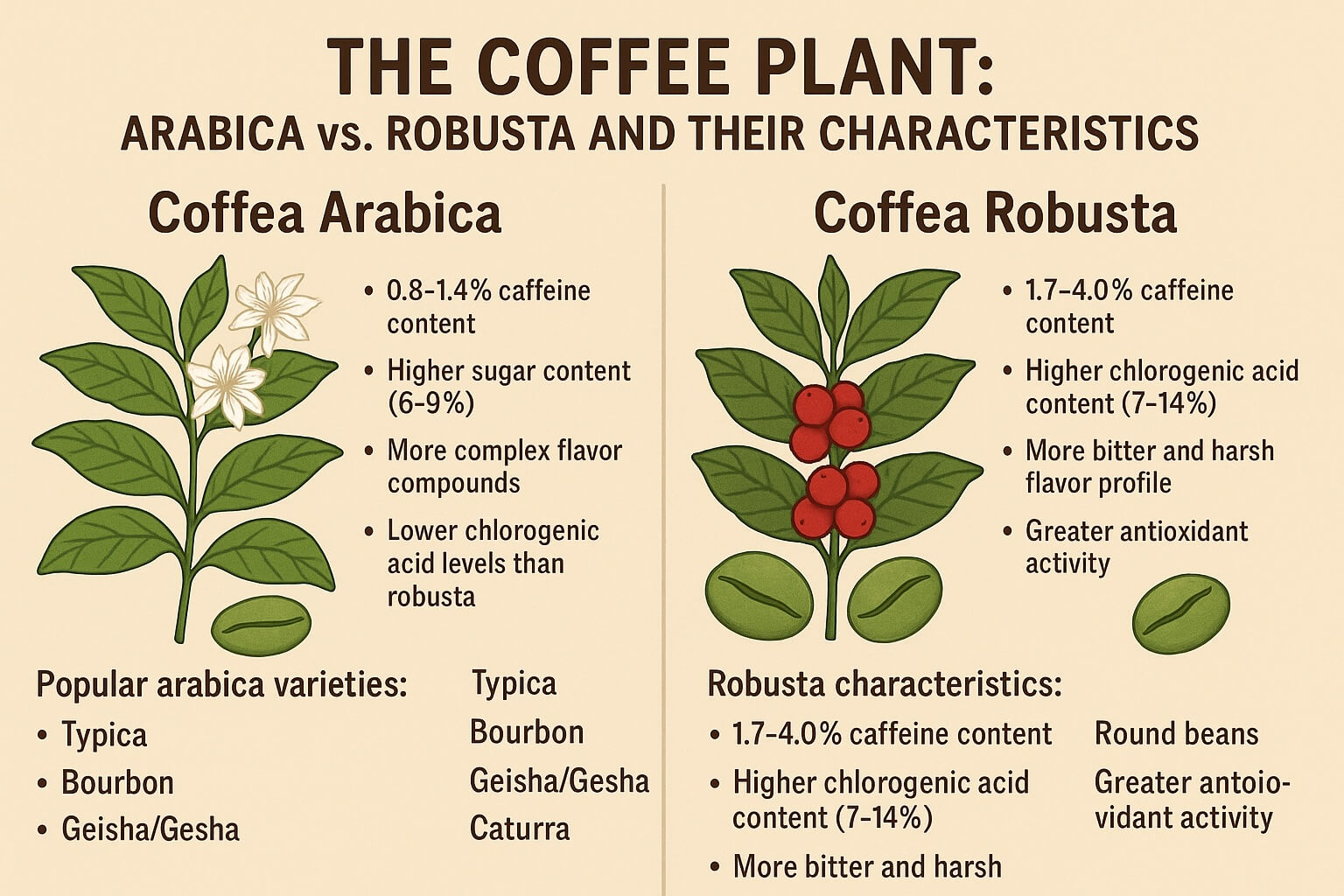
Coffea Arabica
The natural populations of Coffea arabica are restricted to the forests of South Ethiopia and Yemen. Arabica coffee, representing approximately 60-70% of global coffee production, is grown primarily in high-altitude regions between 2,000-6,500 feet above sea level.
Today, the largest producers are located in the high-altitude regions of Latin America, East Africa, and Asia, each offering distinct soil compositions and climatic conditions that contribute to the bean’s unique flavour profiles.
Arabica beans typically contain:
- 0.8-1.4% caffeine content
- Higher sugar content (6-9%)
- More complex flavor compounds
- Lower chlorogenic acid levels than robusta
- Oval-shaped beans with a curved crease
Popular arabica varieties include:
- Typica: The original variety brought from Ethiopia, known for clean cup quality and bright acidity
- Bourbon: A natural mutation of Typica with higher yield potential and sweet characteristics
- Geisha/Gesha: Highly prized for its floral, tea-like qualities and exceptional cup scores
- Caturra: A dwarf mutation of Bourbon, popular in Central and South America
- Catuai: A hybrid of Mundo Novo and Caturra, developed for higher productivity
Coffea Robusta
Robusta is known for its bold flavor profile and higher caffeine content, holds a significant place in the global coffee market. Its cultivation is primarily concentrated in regions like Vietnam, Brazil, and Indonesia.
Robusta coffee, accounting for approximately 30-40% of global production, is grown at lower altitudes (sea level to 2,000 feet) and is more resistant to diseases and pests.
Robusta characteristics include:
- 1.7-4.0% caffeine content (nearly double that of arabica)
- Higher chlorogenic acid content (7-14%)
- More bitter and harsh flavor profile
- Round beans with a straight crease
- Greater antioxidant activity due to higher phenolic content
Numerous robusta varieties have been cultivated worldwide, including BP 534, BP 936, BRS 1216, KR1, KR10, TR11, TR9, TRS1, TR4, and others. Each has unique characteristics in terms of adaptability and yield, suited to regions such as the Western Amazon, East Java, and the Chiapas coast.
Coffee Processing Methods: From Cherry to Green Bean
The journey from coffee cherry to green bean involves several processing methods that significantly impact the final product’s chemical composition and potential health benefits.
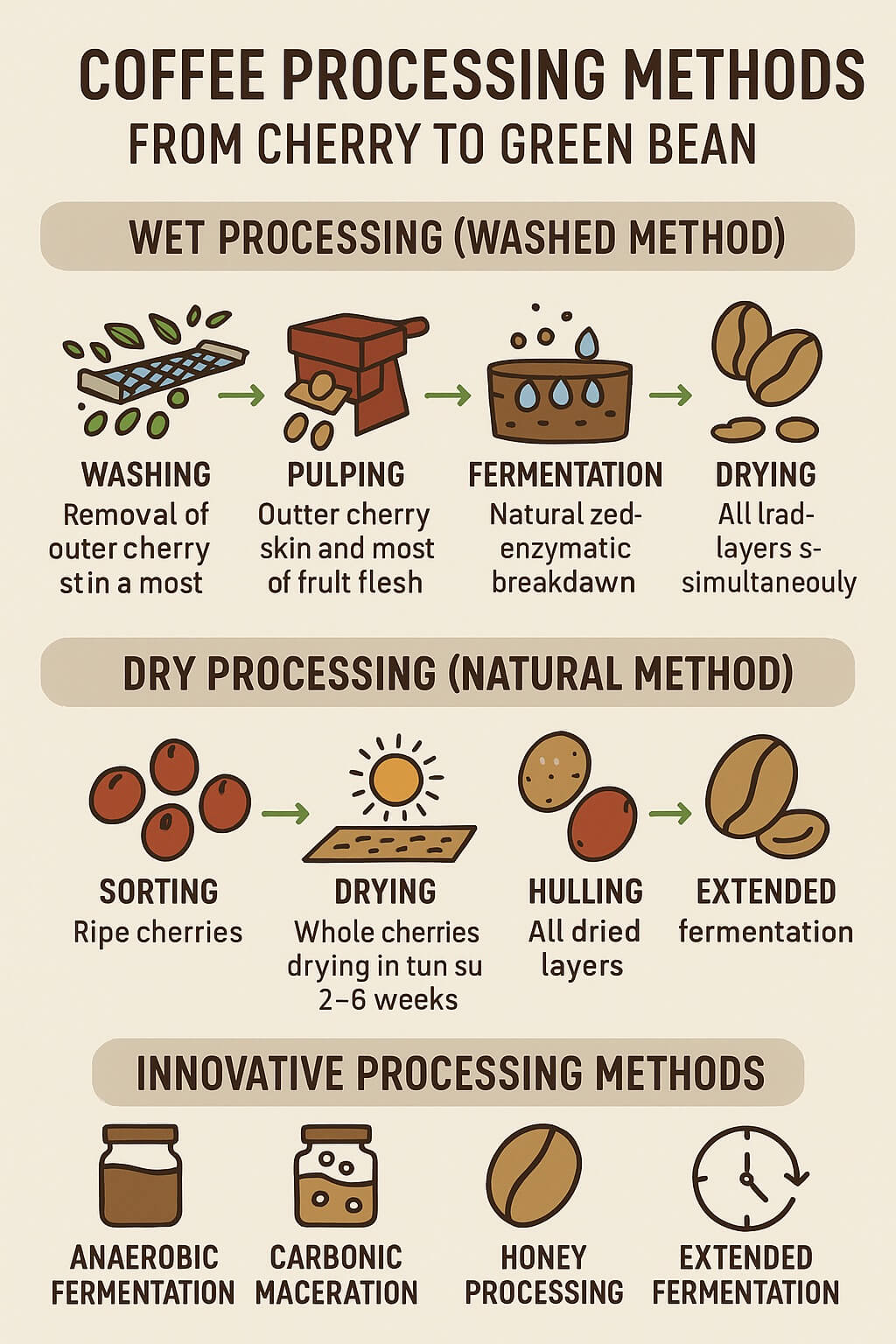
Wet Processing (Washed Method)
The wet processing method, also called the washed method, is a popular technique used to produce high-quality green coffee beans. The process involves several key steps: Washing: Coffee cherries pass through a vibrating sieve to remove debris like branches, leaves, and stones.
The complete wet processing method includes:
- Pulping: Removal of the outer cherry skin and most of the fruit flesh
- Fermentation: Natural enzymatic breakdown of remaining mucilage over 12-48 hours
- Washing: Thorough cleaning to remove all fermented mucilage
- Drying: Reduction of moisture content to 10-12%
- Hulling: Removal of the parchment layer
This method typically produces cleaner, brighter flavors and may result in higher retention of certain chlorogenic acid compounds due to reduced exposure to fruit sugars during fermentation.
Dry Processing (Natural Method)
Primary coffee processing is performed following the dry method or wet method. The dry processing method involves:
- Sorting: Selection of ripe cherries
- Drying: Whole cherries dried in the sun for 2-6 weeks
- Hulling: Removal of all dried layers simultaneously
Natural processing can result in higher antioxidant activity due to prolonged contact with fruit compounds, potentially increasing the bioavailability of beneficial compounds in green coffee.
Innovative Processing Methods
Since the Anaerobic process is still somewhat experimental, and there is no right or wrong way of processing green coffee beans using this method, often times processing farms will experiment with techniques such as fruit maceration, which is a creative and experimental technique in coffee processing.
Modern processing innovations include:
- Anaerobic fermentation: Fermentation in oxygen-free environments
- Carbonic maceration: CO2-induced fermentation similar to wine production
- Honey processing: Partial mucilage retention during drying
- Extended fermentation: Controlled fermentation for 48-120 hours
These methods can significantly impact the chlorogenic acid profile and other bioactive compounds in the final green coffee product.
Green Coffee Extraction Methods and Supplement Production
The production of green coffee extracts for supplements involves sophisticated extraction techniques that determine the concentration and bioavailability of active compounds.

Traditional Extraction Methods
Extraction processes belonging to two categories were performed: classical methods—maceration, Soxhlet extraction, and such innovative methods as turboextraction, ultrasound-assisted extraction, and a combination of the latter two.
Maceration: Simple soaking of ground green coffee in solvents (water, ethanol, or their mixtures) for extended periods (6-24 hours). This method yields moderate concentrations of chlorogenic acids but is time-consuming.
Soxhlet Extraction: Continuous solvent extraction using heat, achieving higher yields but potentially degrading heat-sensitive compounds like chlorogenic acids.
Advanced Extraction Technologies
Integrated approach of green technologies like enzymatic hydrolysis, steam, microwave and ultrasound assisted methods for extraction of nutraceuticals from green coffee beans (GCB) were explored.
Ultrasound-Assisted Extraction (UAE): Uses high-frequency sound waves to disrupt cell walls, increasing extraction efficiency by 20-40% while reducing processing time and preserving heat-sensitive compounds.
Microwave-Assisted Extraction (MAE): Applies microwave energy to heat solvents selectively, reducing extraction time to 10-30 minutes while maintaining high chlorogenic acid yields.
Supercritical CO2 Extraction: The most common decaffeination process used in the United States is supercritical carbon dioxide (CO2) extraction. This method uses pressurized CO2 to extract compounds without chemical solvents, producing the purest extracts.
Enzymatic Extraction: Alkaline protease led to high protein and oil extraction yields in a shorter time. Enzyme-assisted methods can increase the bioavailability of chlorogenic acids by breaking down cell wall components.
Green Extraction Technologies
The objective of this work was the development of a green extraction method based on the use of a deep eutectic solvent (DES) to extract caffeine from coffee pulp (CP). Choline chloride and glycerol were used as hydrogen bond acceptor and hydrogen bond donor, respectively.
Deep Eutectic Solvents (DES) represent an environmentally friendly alternative to traditional organic solvents, offering:
- Reduced environmental impact
- Higher selectivity for target compounds
- Improved extraction yields for chlorogenic acids
- Reduced processing costs
Does Green Coffee Bean Extract Work for Weight Loss? A Detailed Analysis
One of the most frequently searched questions about green coffee relates to its effectiveness for weight loss. The scientific evidence presents a nuanced picture that requires careful examination.
Meta-Analysis Results
Multiple systematic reviews and meta-analyses have investigated green coffee’s weight loss effects. Meta-analytic results reveal a significant difference in body weight in green coffee extract compared with placebo, with a mean difference of −2.47 kg. However, this seemingly promising result requires context.
The weight loss observed in clinical trials typically ranges from 1-5 kg over study periods of 8-12 weeks. While statistically significant, the clinical significance of this weight loss is debatable, as most studies involved small sample sizes (20-50 participants) and short durations.
Mechanisms of Action
Green coffee’s potential weight loss effects may occur through several mechanisms:
- Glucose Metabolism Modulation: Chlorogenic acid may inhibit glucose-6-phosphatase, reducing hepatic glucose production and improving insulin sensitivity.
- Fat Oxidation Enhancement: Some studies suggest chlorogenic acid may increase fat oxidation by 10-15% through activation of peroxisome proliferator-activated receptor-alpha (PPARα).
- Carbohydrate Absorption Inhibition: Chlorogenic acid may reduce carbohydrate absorption in the small intestine by inhibiting α-glucosidase activity.
- Appetite Suppression: The caffeine content, while lower than roasted coffee, may provide mild appetite suppressant effects.
Study Limitations and Reality Check
However, there’s not much truth to the social media trend claiming green coffee bean extract supplements can help you lose weight. Several factors limit the reliability of weight loss claims:
- Small sample sizes: Most studies included fewer than 50 participants
- Short duration: Study periods rarely exceeded 12 weeks
- Publication bias: Negative results are less likely to be published
- Industry funding: Many studies were funded by supplement manufacturers
- Lifestyle factors: Weight loss may be attributed to concurrent dietary changes
Practical Recommendations
For individuals considering green coffee for weight loss:
- Expect modest results (1-3 kg over 2-3 months)
- Combine with caloric restriction and exercise
- Choose standardized extracts with known chlorogenic acid content
- Monitor for side effects, particularly if sensitive to caffeine
Green Coffee Health Benefits: Comprehensive Research Review
Beyond weight loss, green coffee has been extensively studied for various health benefits, primarily attributed to its high chlorogenic acid content and other bioactive compounds.
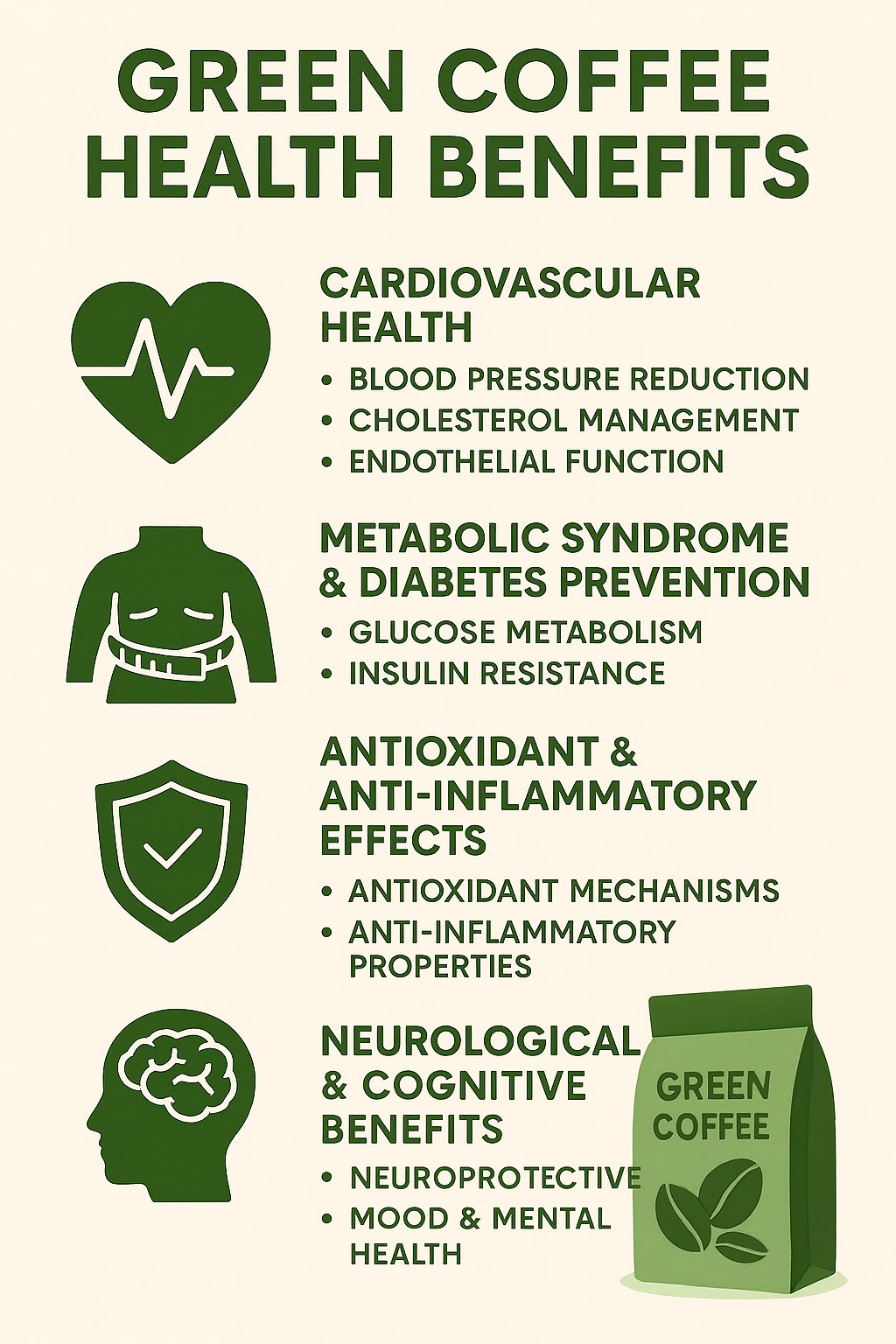
Cardiovascular Health Benefits
Recent systematic reviews have demonstrated promising cardiovascular effects. Green coffee bean extract significantly reduced levels of total cholesterol (-5.93 mg/dl), fasting plasma glucose (-2.21 mg/dl), systolic blood pressure (-3.08 mmHg), and diastolic blood pressure.
Blood Pressure Reduction: Multiple studies have shown consistent blood pressure lowering effects:
- Systolic BP reduction: 2-5 mmHg
- Diastolic BP reduction: 2-3 mmHg
- Effects observed within 4-8 weeks of supplementation
- Most pronounced in individuals with mild hypertension
Cholesterol Management: Chlorogenic acid appears to influence lipid metabolism through:
- Inhibition of cholesterol synthesis enzymes
- Enhanced cholesterol excretion
- Improved HDL:LDL ratios in some studies
- Reduction in oxidized LDL cholesterol
Endothelial Function: Green coffee consumption may improve endothelial function by:
- Increasing nitric oxide bioavailability
- Reducing oxidative stress markers
- Improving flow-mediated dilation by 2-4%
Metabolic Syndrome and Diabetes Prevention
Green coffee can benefit human health, such as improvement in blood pressure, plasma lipids, and body weight, thus contributing to the improvement of risk components of Metabolic Syndrome.
Glucose Metabolism: Research indicates several beneficial effects on glucose handling:
- Improved glucose tolerance test results
- Reduced postprandial glucose spikes (15-25% reduction)
- Enhanced insulin sensitivity measured by HOMA-IR
- Potential 10-15% reduction in type 2 diabetes risk
Insulin Resistance: Chlorogenic acid may improve insulin sensitivity through:
- Activation of AMPK (AMP-activated protein kinase)
- Improved glucose uptake in skeletal muscle
- Reduced hepatic glucose production
- Enhanced insulin receptor sensitivity
Antioxidant and Anti-Inflammatory Effects
Green coffee’s antioxidant capacity is significantly higher than roasted coffee, with ORAC (Oxygen Radical Absorbance Capacity) values 2-3 times greater.
Antioxidant Mechanisms:
- Direct free radical scavenging by chlorogenic acids
- Metal chelation properties reducing oxidative stress
- Enhancement of endogenous antioxidant enzymes
- Protection against DNA oxidative damage
Anti-Inflammatory Properties:
- Reduction in inflammatory markers (CRP, IL-6, TNF-α)
- Inhibition of NF-κB pathway activation
- Decreased production of pro-inflammatory cytokines
- Potential benefits for chronic inflammatory conditions
Neurological and Cognitive Benefits
Emerging research suggests green coffee may support brain health through multiple mechanisms:
Neuroprotective Effects:
- Protection against neurodegenerative diseases
- Improved memory and cognitive function in animal studies
- Potential reduction in Alzheimer’s disease risk
- Enhanced brain-derived neurotrophic factor (BDNF) expression
Mood and Mental Health:
- Mild antidepressant effects in some studies
- Anxiety reduction in controlled doses
- Improved stress response and cortisol regulation
- Enhanced cognitive performance and alertness
How Much Green Coffee Should You Take? Comprehensive Dosage Guidelines
The optimal dosage for green coffee extract varies significantly based on several factors, including the concentration of active compounds, individual tolerance, and specific health goals.
Standardization and Chlorogenic Acid Content
Green coffee supplements vary dramatically in their chlorogenic acid content, typically ranging from 10% to 50% standardization. This variation directly impacts appropriate dosaging:
High Standardization Products (45-50% chlorogenic acid):
- Recommended dose: 200-400 mg daily
- Equivalent chlorogenic acid: 90-200 mg
- Best taken 30 minutes before meals
- Usually divided into 2 doses
Medium Standardization Products (20-30% chlorogenic acid):
- Recommended dose: 400-800 mg daily
- Equivalent chlorogenic acid: 80-240 mg
- Can be taken in 2-3 divided doses
- Timing with meals may improve tolerance
Lower Standardization Products (10-15% chlorogenic acid):
- Recommended dose: 800-1,600 mg daily
- Equivalent chlorogenic acid: 80-240 mg
- Requires higher volumes but may be gentler
- Best divided into 3-4 doses throughout the day
Clinical Study Dosages
Research studies have used varying dosages with different outcomes:
Weight Loss Studies: Most effective dosages ranged from 200-1,050 mg daily of green coffee extract (providing 90-300 mg chlorogenic acid)
Cardiovascular Studies: Effective dosages typically used 140-720 mg daily (providing 70-200 mg chlorogenic acid)
Antioxidant Studies: Higher dosages (400-1,200 mg daily) showed greater antioxidant capacity improvements
Factors Affecting Optimal Dosage
Body Weight: Heavier individuals may require higher dosages for equivalent effects, though this relationship isn’t linear.
Tolerance to Caffeine: Green coffee contains caffeine (typically 10-25 mg per 400 mg dose), which may necessitate dosage adjustments for caffeine-sensitive individuals.
Health Status: Individuals with metabolic disorders may benefit from higher dosages under medical supervision.
Concurrent Medications: Some medications may interact with chlorogenic acid, requiring dosage modifications.
Timing and Administration
Pre-meal Timing: Taking green coffee extract 30-60 minutes before meals may enhance its glucose-modulating effects and improve weight management outcomes.
Split Dosing: Dividing daily dosages into 2-3 administrations helps maintain steady chlorogenic acid levels and reduces the risk of gastrointestinal side effects.
Consistency: Regular daily administration appears more effective than intermittent use, with benefits typically observed after 4-8 weeks of consistent supplementation.
Special Population Considerations
Elderly Adults: May require lower starting dosages (50% of standard recommendations) due to altered metabolism and increased sensitivity.
Athletes: Higher dosages may be tolerated due to increased metabolic demands, but timing around training should be considered.
Individuals with Diabetes: Should start with lower dosages and monitor blood glucose closely, as chlorogenic acid can significantly affect glucose metabolism.
Green Coffee Side Effects: Comprehensive Safety Profile
While generally considered safe for most adults, green coffee can cause several side effects, particularly in sensitive individuals or at higher dosages.

Common Side Effects and Their Management
Caffeine-Related Effects: Consuming large amounts of green coffee might cause caffeine-related side effects, including headache, anxiety, agitation, and irregular heartbeat.
Detailed caffeine-related side effects include:
- Headaches: Usually occur within 2-4 hours of consumption, particularly in caffeine-sensitive individuals
- Sleep Disturbances: Insomnia or sleep quality reduction, especially if taken within 6 hours of bedtime
- Anxiety and Jitteriness: May be pronounced in individuals with anxiety disorders
- Heart Palpitations: Rapid or irregular heartbeat, particularly concerning for those with cardiac conditions
- Increased Urination: Diuretic effects may lead to dehydration if fluid intake isn’t increased
Gastrointestinal Effects: Adverse drug reactions, such as nausea, vomiting, hypoglycemia, disorientation, and diarrhea, as well as stomach discomfort, constipation, and diarrhea, are common.
Digestive system effects include:
- Nausea: Often related to taking supplements on an empty stomach
- Stomach Upset: Acidity from chlorogenic acids may irritate gastric lining
- Diarrhea or Constipation: Individual responses vary; some experience loose stools while others report constipation
- Acid Reflux: High chlorogenic acid content may exacerbate GERD symptoms
Metabolic and Neurological Side Effects
Blood Sugar Fluctuations: The glucose-lowering effects of chlorogenic acid can cause:
- Hypoglycemia in diabetic individuals
- Blood sugar instability in sensitive individuals
- Interactions with diabetes medications
Neurological Effects: Higher doses may cause:
- Dizziness or lightheadedness
- Difficulty concentrating
- Mood swings or irritability
- Restlessness or agitation
Drug Interactions and Contraindications
Diabetes Medications: Green coffee may enhance the effects of:
- Metformin
- Insulin
- Sulfonylureas
- SGLT-2 inhibitors
Blood Pressure Medications: Potential interactions with:
- ACE inhibitors
- Beta-blockers
- Diuretics
- Calcium channel blockers
Psychiatric Medications: May interact with:
- Antidepressants (particularly MAOIs)
- Anxiety medications
- Stimulant medications for ADHD
Special Population Safety Concerns
Pregnancy and Breastfeeding: There isn’t enough reliable information to know if green coffee is safe to use when pregnant or breast-feeding. Pregnant and breastfeeding women should avoid green coffee supplements until more safety data becomes available.
Additional considerations for pregnant women:
- Caffeine crosses the placental barrier
- May increase risk of miscarriage at high doses
- Could affect fetal development
- May reduce iron absorption
Individuals with Medical Conditions:
- Osteoporosis: May increase calcium excretion
- Glaucoma: Caffeine may increase intraocular pressure
- IBS: May exacerbate symptoms due to caffeine content
- Bleeding Disorders: May affect blood clotting
Minimizing Side Effects
Start Low and Go Slow: Begin with 25-50% of the recommended dose and gradually increase over 1-2 weeks.
Take with Food: Consuming green coffee extract with meals can reduce gastrointestinal irritation.
Stay Hydrated: Increase water intake to counteract diuretic effects.
Monitor Timing: Avoid taking within 6 hours of bedtime to prevent sleep disturbances.
Quality Matters: Choose standardized extracts from reputable manufacturers to ensure consistent potency and reduce contaminant risk.
Chlorogenic Acid: The Key Active Compound – In-Depth Analysis
Chlorogenic acid represents the primary bioactive compound responsible for most of green coffee’s health benefits. Understanding its properties, metabolism, and mechanisms of action is crucial for maximizing therapeutic potential.
Chemical Structure and Properties
Chlorogenic acid is actually a family of compounds, primarily consisting of:
- 5-caffeoylquinic acid (5-CQA): The most abundant form (60-70% of total chlorogenic acids)
- 3-caffeoylquinic acid (3-CQA): Second most common (15-20%)
- 4-caffeoylquinic acid (4-CQA): Less abundant but bioactive (5-10%)
- Dicaffeoylquinic acids: More complex molecules with potentially enhanced activity
Bioavailability and Metabolism
Chlorogenic acid is found in coffee mostly and holds promise in many aspects of health and cognition similar to bioflavonoids and shares some effects similar to caffeine but less potent.
Absorption: Chlorogenic acids are partially absorbed in the small intestine (10-30%) but primarily metabolized by colonic bacteria into more bioavailable metabolites.
Metabolites: Key metabolites include:
- Caffeic acid: Retains antioxidant properties
- Ferulic acid: Shows neuroprotective effects
- Hippuric acid: Measured as biomarker of chlorogenic acid consumption
Half-life: Plasma half-life ranges from 1-9 hours depending on the specific compound and individual metabolism.
Factors Affecting Bioavailability:
- Food intake (may reduce absorption by 20-30%)
- Individual gut microbiome composition
- Genetic variations in metabolism
- Concurrent medication use
Mechanisms of Action
Glucose Metabolism: Chlorogenic acid affects glucose homeostasis through multiple pathways:
- Inhibition of glucose-6-phosphatase (G6Pase) in the liver
- Reduced activity of α-glucosidase in the small intestine
- Enhanced glucose uptake in skeletal muscle via GLUT4 translocation
- Improved insulin sensitivity through AMPK activation
Lipid Metabolism: Effects on fat metabolism include:
- Inhibition of fatty acid synthase (FAS)
- Enhanced fatty acid oxidation through PPARα activation
- Reduced cholesterol synthesis via HMG-CoA reductase inhibition
- Improved lipoprotein profiles
Antioxidant Activity: Multiple antioxidant mechanisms:
- Direct free radical scavenging (particularly hydroxyl and peroxyl radicals)
- Metal chelation (iron, copper) preventing oxidative reactions
- Enhancement of endogenous antioxidant enzymes (SOD, catalase, GPx)
- Protection of mitochondrial function
Anti-inflammatory Effects:
- Inhibition of NF-κB pathway activation
- Reduced production of inflammatory cytokines
- Modulation of prostaglandin synthesis
- Enhanced resolution of inflammatory responses
Comparative Analysis: Different Sources
Green Coffee vs. Other Sources: While chlorogenic acid is found in various plants, green coffee provides the highest concentration and most studied form:
- Green coffee: 60-120 mg per gram
- Artichoke: 10-15 mg per gram
- Blueberries: 2-7 mg per gram
- Apples: 1-3 mg per gram
Processing Effects: Different processing methods significantly impact chlorogenic acid content and bioactivity:
- Raw green beans: Highest content but lowest bioavailability
- Extracted forms: Concentrated but may lose synergistic compounds
- Standardized extracts: Consistent potency but variable quality
Synergistic Effects with Other Compounds
Chlorogenic acid works synergistically with other green coffee compounds:
- Caffeine: Enhanced metabolic effects and improved absorption
- Trigonelline: Additional neuroprotective properties
- Quinides: Complementary antioxidant activity
- Proteins and fibers: May modulate absorption and metabolism
Quality Assessment and Standardization
Analytical Methods: Chlorogenic acid content is typically measured using:
- High-Performance Liquid Chromatography (HPLC)
- UV-Vis spectrophotometry
- Mass spectrometry for specific isomers
Quality Markers:
- Total chlorogenic acid content (should be >20% for therapeutic effects)
- Ratio of different isomers (5-CQA should predominate)
- Absence of contaminants and adulterants
- Stability over time and storage conditions
Green Coffee vs. Regular Coffee: Detailed Comparison
The choice between green and regular coffee involves multiple considerations beyond simple preference, encompassing nutritional content, health effects, taste, and practical applications.
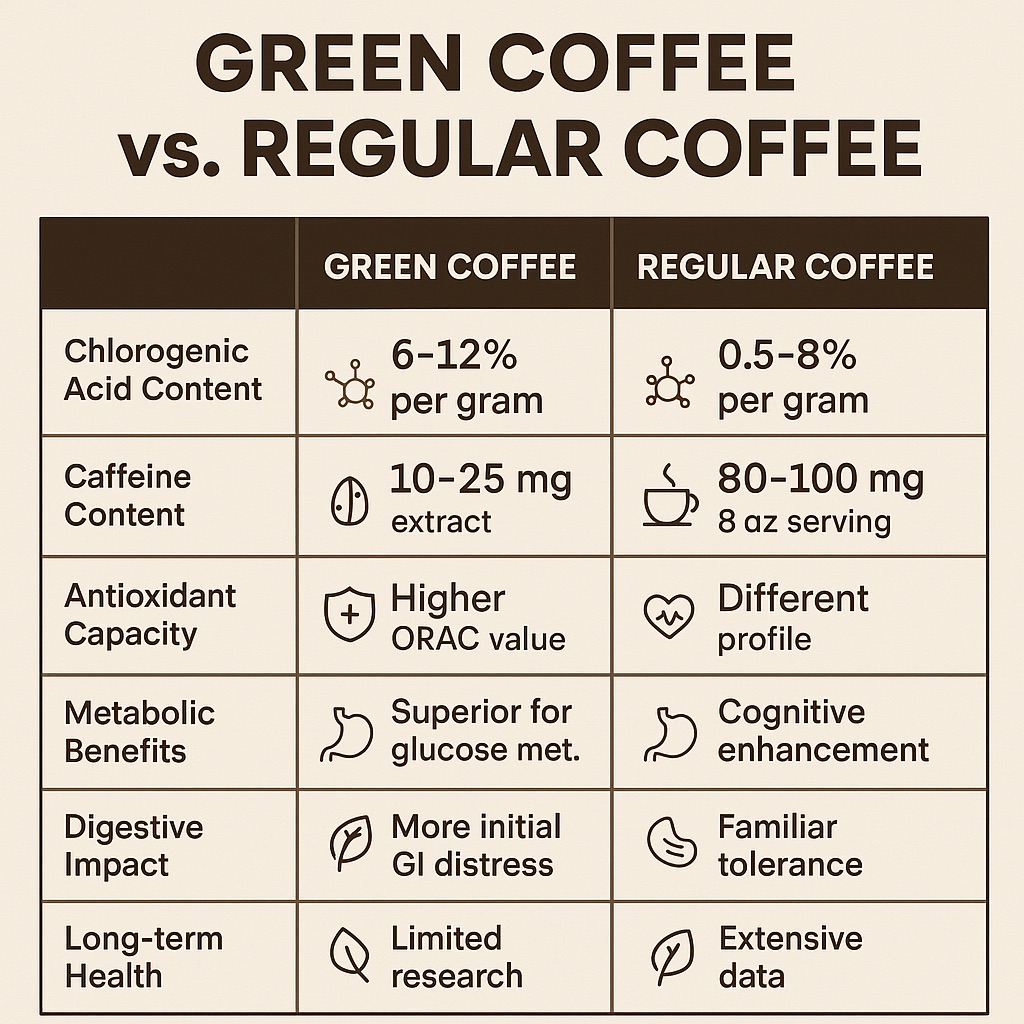
Nutritional and Chemical Composition
Chlorogenic Acid Content:
- Green coffee: 60-120 mg per gram (6-12% by weight)
- Light roast: 40-80 mg per gram (4-8% by weight)
- Medium roast: 20-40 mg per gram (2-4% by weight)
- Dark roast: 5-20 mg per gram (0.5-2% by weight)
Caffeine Content:
- Green coffee extract (400mg): 10-25 mg caffeine
- Regular coffee (8 oz): 80-100 mg caffeine
- Espresso (1 oz): 60-75 mg caffeine
Antioxidant Capacity:
- Green coffee shows 2-3 times higher ORAC values
- Different antioxidant profiles (chlorogenic acids vs. melanoidins)
- Complementary rather than competitive antioxidant mechanisms
Health Effects Comparison
Metabolic Benefits:
- Green coffee: Superior for glucose metabolism and weight management
- Regular coffee: Better for cognitive enhancement and alertness
- Both: Cardiovascular benefits, with different mechanisms
Digestive Impact:
- Green coffee: May cause more initial GI distress due to higher acid content
- Regular coffee: Familiar tolerance profile, established consumption patterns
- Individual variation: Some people tolerate one better than the other
Long-term Health Outcomes:
- Regular coffee: Extensive epidemiological data showing protective effects
- Green coffee: Limited long-term studies but promising short-term results
- Combined use: May provide complementary benefits
Practical Considerations
Taste and Palatability:
- Green coffee: Grassy, astringent, often described as unpleasant when brewed
- Regular coffee: Familiar, developed flavor profiles, cultural acceptance
- Extract forms: Bypass taste issues but lose social aspects of coffee consumption
Preparation Methods:
- Green coffee: Primarily consumed as extracts or supplements
- Regular coffee: Multiple brewing methods with established techniques
- Convenience: Regular coffee more accessible and socially integrated
Cost Analysis:
- Green coffee supplements: $15-40 per month depending on dosage
- Regular coffee: $20-100+ per month depending on quality and consumption
- Value proposition: Green coffee may offer better health ROI for specific goals
Combination Strategies
Complementary Use:
- Morning regular coffee for alertness and cognitive benefits
- Pre-meal green coffee extract for metabolic support
- Cycling protocols to maximize benefits while minimizing tolerance
Dosage Considerations:
- Total daily caffeine from both sources should not exceed 400mg
- Monitor for cumulative side effects
- Adjust timing to prevent sleep disruption
Regional Variations and Quality Factors
The origin and processing of green coffee significantly impact its therapeutic potential and safety profile.
Major Growing Regions and Their Characteristics
Central and South America:
- Colombia: High-altitude arabica with balanced chlorogenic acid profiles
- Brazil: Largest producer, varies from high-quality arabica to commercial robusta
- Guatemala: Volcanic soil produces beans with higher antioxidant activity
- Costa Rica: Known for sustainable practices and consistent quality
Africa and Middle East:
- Ethiopia: Origin of arabica, wild varieties with unique chemical profiles
- Kenya: High-altitude growing produces beans with exceptional antioxidant capacity
- Yemen: Traditional growing methods, potential for higher chlorogenic acid retention
Asia-Pacific:
- Indonesia: Major robusta producer, higher caffeine and chlorogenic acid content
- Vietnam: World’s largest robusta producer, commercial quality varies
- Papua New Guinea: Smaller production but high-quality arabica varieties
Quality Assessment Factors
Agricultural Practices:
- Organic certification reduces pesticide residues
- Shade-grown coffee may have higher antioxidant content
- Altitude affects chlorogenic acid development
- Soil mineral content influences final composition
Post-Harvest Handling:
- Processing method affects chlorogenic acid retention
- Drying conditions impact final quality
- Storage conditions prevent degradation
- Transportation time and conditions
Manufacturing Standards:
- GMP (Good Manufacturing Practices) certification
- Third-party testing for contaminants
- Standardization of active compounds
- Proper extraction and preservation methods
Future Research Directions and Emerging Applications
The field of green coffee research continues to evolve, with several promising areas of investigation.
Emerging Health Applications
Cancer Prevention: Preliminary research suggests chlorogenic acid may have anti-cancer properties through multiple mechanisms:
- Cell cycle arrest in cancer cell lines
- Apoptosis induction in malignant cells
- Anti-angiogenic effects reducing tumor blood supply
- Enhancement of immune system tumor surveillance
Liver Health: Growing evidence for hepatoprotective effects:
- Non-alcoholic fatty liver disease improvement
- Reduced liver enzyme elevation
- Protection against hepatotoxins
- Enhanced liver regeneration capacity
Skin Health and Aging: Topical and systemic applications show promise:
- UV radiation protection through antioxidant mechanisms
- Collagen synthesis enhancement
- Reduction in inflammatory skin conditions
- Anti-aging effects through cellular protection
Technological Advances
Nanotechnology Applications: Improving bioavailability and targeted delivery:
- Nanoencapsulation for enhanced absorption
- Targeted delivery systems for specific organs
- Sustained-release formulations for prolonged effects
- Improved stability during storage
Personalized Nutrition: Genetic and metabolomic approaches:
- CYP1A2 genotyping for caffeine metabolism
- Gut microbiome analysis for chlorogenic acid metabolism
- Personalized dosing based on individual characteristics
- Biomarker-guided therapy adjustments
Combination Therapies: Synergistic approaches:
- Green coffee + other botanical extracts
- Combination with pharmaceutical agents
- Multi-target therapeutic strategies
- Enhanced bioavailability through co-administration
Making Informed Decisions About Green Coffee
Green coffee represents a fascinating intersection of traditional agricultural practices and modern nutritional science. The evidence supporting its health benefits, while promising, requires careful interpretation and realistic expectations.
The most robust evidence supports green coffee’s role in:
- Modest cardiovascular risk factor improvement
- Potential metabolic health benefits
- Antioxidant and anti-inflammatory effects
- Possible weight management support
However, several important considerations should guide decision-making:
Realistic Expectations: Green coffee is not a magic bullet for weight loss or health transformation. Benefits are typically modest and require consistent use combined with healthy lifestyle practices.
Individual Variability: Response to green coffee supplements varies significantly based on genetics, lifestyle, health status, and concurrent medications. What works for one person may not work for another.
Quality Matters: The therapeutic potential of green coffee depends heavily on the quality of the source material, extraction methods, and standardization. Choose reputable manufacturers with third-party testing and clear labeling of active compounds.
Safety First: While generally safe for most adults, green coffee can interact with medications and cause side effects. Consultation with healthcare providers is advisable, especially for individuals with existing health conditions or those taking medications.
Holistic Approach: Green coffee should be viewed as one component of a comprehensive health strategy rather than a standalone solution. Diet, exercise, stress management, and sleep remain fundamental pillars of health.
Research Evolution: The field of green coffee research continues to evolve. Current evidence, while promising, is still developing, and future research may refine our understanding of optimal usage and applications.
For individuals considering green coffee supplements, the decision should be based on:
- Clear health goals and realistic expectations
- Understanding of potential risks and benefits
- Consultation with healthcare providers when appropriate
- Commitment to quality products and consistent use
- Integration with broader health and wellness practices
As our understanding of green coffee’s mechanisms and applications continues to grow, it may find increasing roles in preventive health strategies and therapeutic interventions. However, the foundation of good health remains rooted in evidence-based lifestyle practices, with supplements like green coffee serving as potential adjuncts rather than replacements for fundamental health behaviors.
The future of green coffee research holds promise for more personalized applications, improved delivery systems, and better understanding of optimal usage patterns. Until then, informed consumers can make educated decisions based on current evidence while maintaining realistic expectations about outcomes.
Citations and Sources
Primary Research Studies
- Tajik, N., et al. (2021). Green coffee: economic relevance and a systematic review of the effects on human health. Critical Reviews in Food Science and Nutrition, 62(19), 5222-5240.
- Agudelo-Ochoa, G. M., et al. (2021). Supplementation of green coffee bean extract in healthy overweight subjects increases lean mass/fat mass ratio: A randomized, double-blind clinical study. Functional Foods in Health and Disease, 11(4), 175-190.
- Sharifan, P., et al. (2021). The Effect of Green Coffee Bean Extract on Cardiovascular Risk Factors: A Systematic Review and Meta-analysis. Advances in Experimental Medicine and Biology, 1308, 323-342.
- Kazemi, A., et al. (2023). Chlorogenic acid in green bean coffee on body weight: a systematic review and meta-analysis of randomized controlled trials. BMC Complementary Medicine and Therapies, 23, 343.
- Onakpoya, I., et al. (2011). The Use of Green Coffee Extract as a Weight Loss Supplement: A Systematic Review and Meta-Analysis of Randomised Clinical Trials. Gastroenterology Research and Practice, 2011, 382852.
Agricultural and Processing Research
- Pereira, L. L., et al. (2020). The composition of green coffee is affected by the Coffea species: Arabica presents higher levels of organic acids and minerals than robusta. Food Chemistry, 327, 127061.
- Farah, A. (2012). Coffee constituents. In Coffee: Emerging Health Effects and Disease Prevention (pp. 21-58). Wiley-Blackwell.
- Esquivel, P., & Jiménez, V. M. (2012). Functional properties of coffee and coffee by-products. Food Research International, 46(2), 488-495.
Extraction and Processing Technology
- Navarra, G., et al. (2017). Simultaneous determination of caffeine and chlorogenic acids in green coffee by UV/Vis spectroscopy. Journal of Chemistry, 2017, 6435086.
- Sato, Y., et al. (2011). In vitro and in vivo antioxidant properties of chlorogenic acid and caffeic acid. International Journal of Pharmaceutics, 403(1-2), 136-138.
- Muzykiewicz-Szymańska, A., et al. (2021). The effect of brewing method on the antioxidant activity of coffee brews. European Food Research and Technology, 247(6), 1363-1373.
Clinical Safety and Pharmacology
- Miranda, A. M., et al. (2021). An overview of the biological effects of chlorogenic acids from coffee. Critical Reviews in Food Science and Nutrition, 61(14), 2238-2248.
- Jeszka-Skowron, M., et al. (2016). Chlorogenic acids, caffeine content and antioxidant properties of green coffee extracts: influence of green coffee bean preparation. European Food Research and Technology, 242(8), 1403-1409.
Medical and Health Authority Sources
- Mayo Clinic Staff. (2023, March 15). Caffeine: How much is too much? Mayo Clinic.
- National Institute of Diabetes and Digestive and Kidney Diseases. (2022, November). Diabetes, Heart Disease, and Stroke. NIH Publication No. 18-5094.
- Cleveland Clinic Health Team. (2023, December 15). Green Coffee Bean Extract Risks and Benefits. Cleveland Clinic.
- MedlinePlus. (2024, January 10). Green Coffee: MedlinePlus Supplements. U.S. National Library of Medicine.
Regulatory and Quality Standards
- U.S. Food and Drug Administration. (2023, July 20). Dietary Supplements: What You Need to Know. FDA Consumer Updates.
- European Food Safety Authority. (2015). Scientific Opinion on the safety of caffeine. EFSA Journal, 13(5), 4102.
Specialty Coffee and Agricultural Sources
- Specialty Coffee Association. (2023). Coffee Standards: Green Coffee Classification. SCA Technical Standards Committee.
- International Coffee Organization. (2023). Coffee Production Statistics. ICO Market Report.
Additional Research References
- Ludwig, I. A., et al. (2014). Extraction of coffee antioxidants: impact of brewing time and method. Food Research International, 57, 160-166.
- Budryn, G., et al. (2009). Chlorogenic acids, caffeine content and antioxidant properties of green coffee extracts: influence of green coffee bean preparation. European Food Research and Technology, 228(6), 913-922.
- Santana-Gálvez, J., et al. (2017). Chlorogenic acid: Recent advances on its dual role as a food additive and a nutraceutical against metabolic syndrome. Molecules, 22(3), 358.
- WebMD Editorial Contributors. (2023, November 8). GREEN COFFEE: Overview, Uses, Side Effects, Precautions, Interactions, Dosing and Reviews. WebMD.
Consumer Health and Wellness Resources
- Harvard T.H. Chan School of Public Health. (2023). Coffee. The Nutrition Source.
- Academy of Nutrition and Dietetics. (2023, September 12). What is the Truth About Coffee and Health? Eat Right Foundation.
- American Heart Association. (2023, August 14). Is coffee good for you or not? Heart.org.
Scientific Databases and Meta-Analyses
- Cochrane Database of Systematic Reviews. (2022). Coffee consumption and health outcomes: An umbrella review of meta-analyses of observational studies. Cochrane Library.
- PubMed Database Search Results. (2024). Green Coffee Health Benefits Clinical Trials. U.S. National Library of Medicine.