Having a history of nerve damage changes how you need to think about cosmetic procedures. When you’ve experienced something like Guillain-Barré syndrome or its variants, even seemingly simple treatments require extra consideration. Your nerves have been through trauma, and while you may have recovered significantly, the question of whether certain procedures are safe becomes more complicated.
Masseter botox—the injections into your jaw muscles to slim the face or treat teeth grinding—is increasingly popular. But when you have a history of autoimmune nerve conditions, the decision isn’t straightforward. Let’s talk about what you need to consider, what the actual risks are, and how to make an informed choice with your medical history in mind.
What is Miller Fisher syndrome and how does it affect nerves long-term?
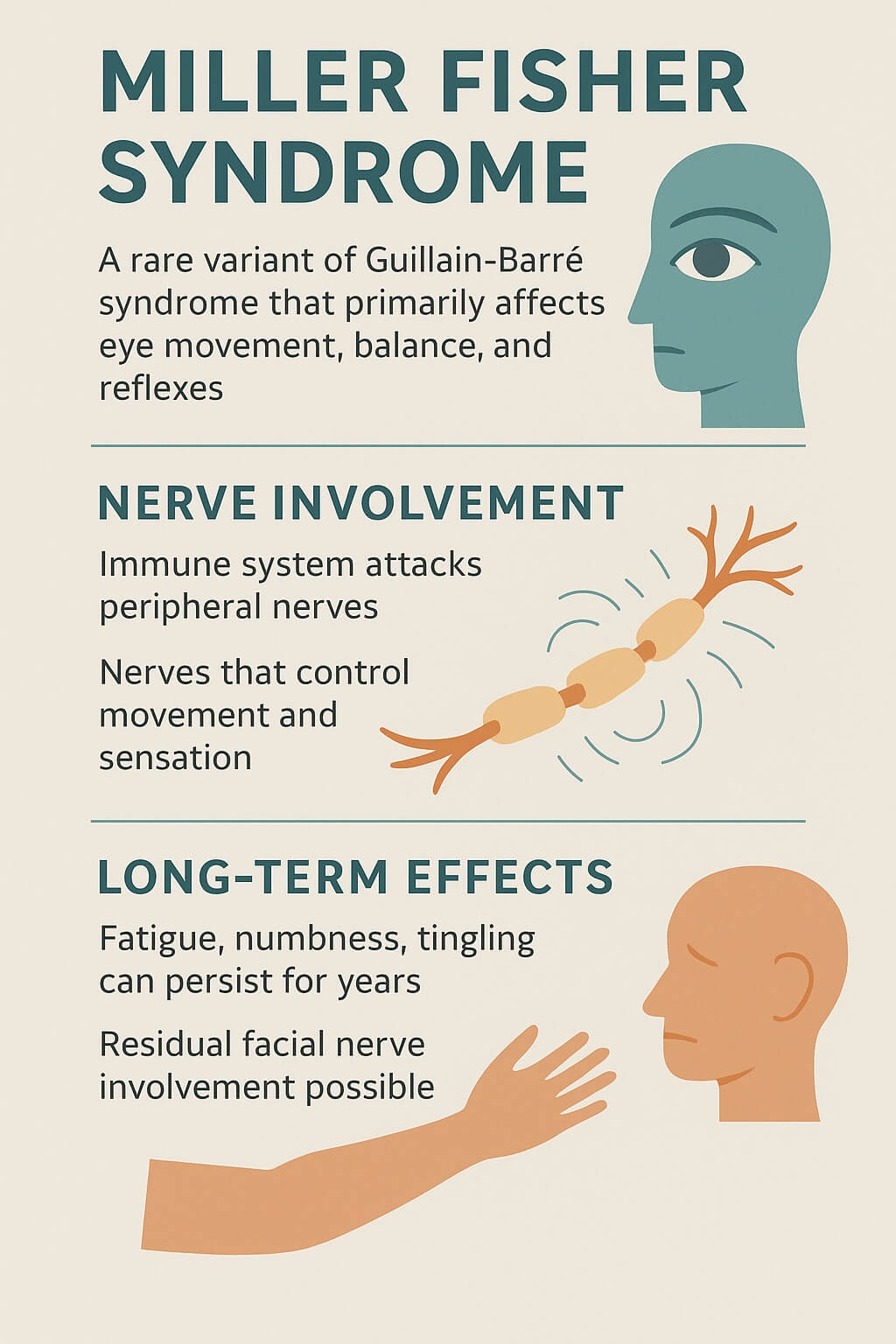
Miller Fisher syndrome is a rare variant of Guillain-Barré syndrome that specifically affects the nerves controlling eye movement, balance, and reflexes. Unlike classic Guillain-Barré which typically starts with weakness in the legs, Miller Fisher usually begins with eye problems and difficulty with coordination.
Both conditions happen when your immune system mistakenly attacks your peripheral nerves—the nerves outside your brain and spinal cord that control movement and sensation. The myelin sheath that protects these nerves gets damaged, which disrupts the signals traveling between your brain and your body.
Most people with Miller Fisher syndrome recover fully within weeks to months. However, some people experience lingering effects that can last for years. These residual symptoms often include fatigue, numbness, tingling, or weakness that becomes more noticeable when you’re tired or stressed.
The fact that you still experience arm numbness and tongue tingling when fatigued suggests your nerves haven’t completely returned to their pre-illness baseline. This doesn’t mean you’re getting worse, but rather that your nervous system remains somewhat vulnerable, especially under stress or fatigue.
Your facial nerves were likely affected during your acute illness, even if you don’t currently notice obvious facial weakness. The cranial nerves that control facial expression, chewing, and sensation in the face can be involved in Guillain-Barré variants. The nerve that controls your masseter muscle—the one targeted by jaw botox—is the trigeminal nerve, which can be affected by these conditions.
Is it safe to get masseter botox after having nerve damage?
This is where things get nuanced. Botox itself is a neurotoxin that temporarily paralyzes muscles by blocking the signals between nerves and muscles. In someone with a history of nerve damage, especially autoimmune nerve damage, introducing a substance that deliberately disrupts nerve function raises legitimate concerns.
The primary worry is that nerves that have been previously damaged might respond differently to botox than healthy nerves. Damaged nerves could potentially be more sensitive to the neurotoxin, leading to effects that spread beyond the intended area or last longer than expected.
There’s also a theoretical concern about triggering an immune response. Guillain-Barré and Miller Fisher syndrome are autoimmune conditions where your immune system attacked your nerves. While botox injections don’t typically trigger autoimmune responses, introducing any foreign substance when you have a history of autoimmune disease requires caution.
However, it’s important to note that many people with a history of Guillain-Barré syndrome have received botox injections without problems. The key is that there’s not extensive research specifically on this population, so doctors must weigh potential risks against benefits on a case-by-case basis.
The location matters too. Masseter botox affects the muscles used for chewing. If something went wrong and the effect spread to nearby muscles, you could temporarily have difficulty with eating, speaking, or swallowing. For someone whose nerves are already somewhat compromised, this risk deserves serious consideration.
What are the specific risks of botox spreading in someone with nerve damage?
Botox is designed to stay localized in the injected muscle, but diffusion—where the toxin spreads to nearby areas—can happen. In healthy people, this is relatively rare with proper injection technique. The question is whether previous nerve damage makes diffusion more likely or its effects more severe.
When nerves have been damaged and regenerated, the new nerve pathways aren’t always identical to the original ones. Sometimes nerve fibers regrow in slightly different patterns or with different sensitivities. This altered nerve architecture could potentially affect how botox distributes and how your body responds to it.
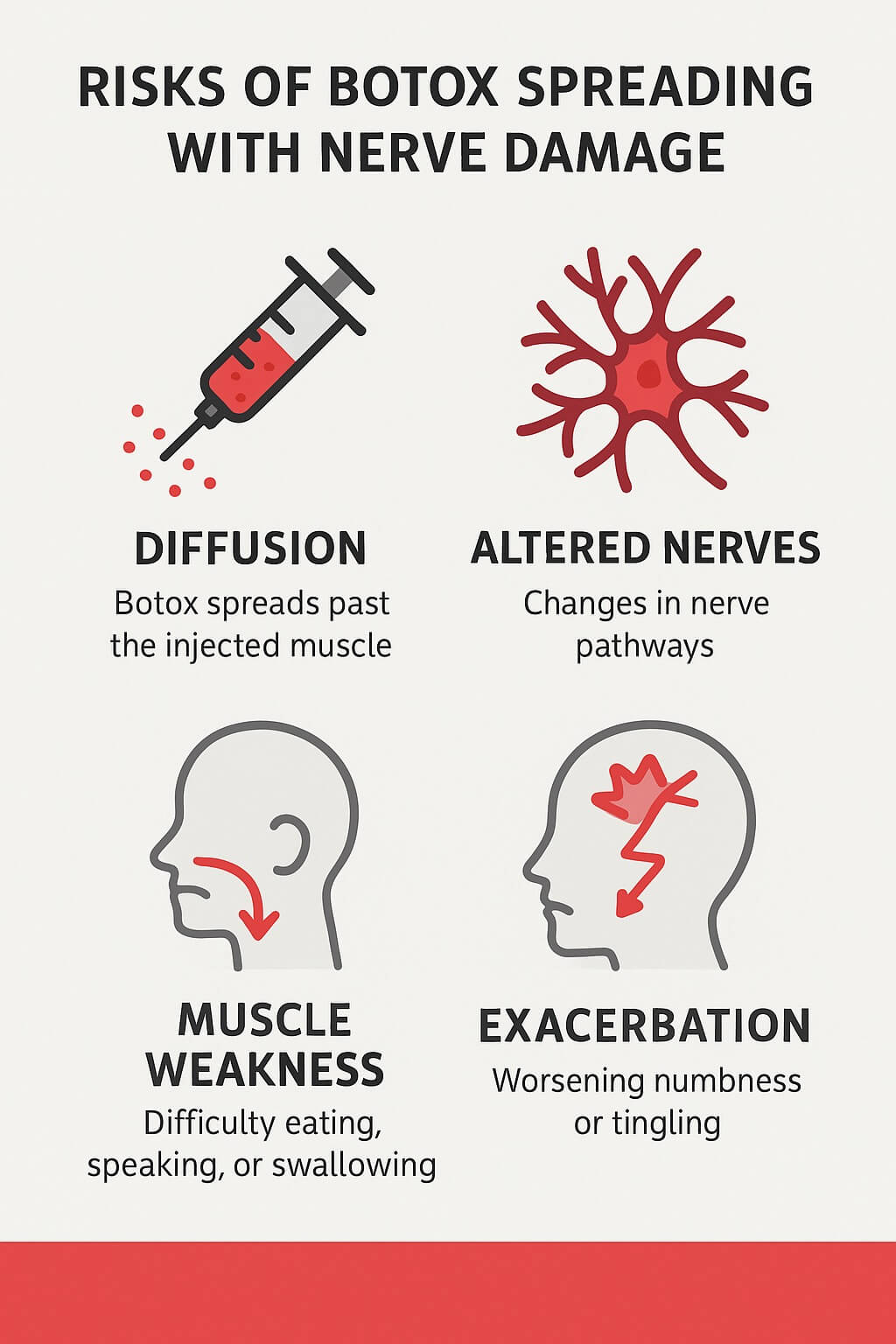
The muscles around your masseter include those that control your lips, cheeks, and swallowing. Unintended weakness in these areas could affect your ability to eat, speak clearly, or control saliva. While these effects would be temporary—botox wears off in three to four months—living with these issues even temporarily could be significantly disruptive.
Your residual symptoms of numbness and tingling when fatigued suggest some ongoing nerve instability. Adding a neurotoxin into this situation could potentially exacerbate these symptoms or reveal weakness that wasn’t previously apparent.
There’s also the psychological aspect. If you experienced complications from the botox, you might worry that your underlying condition is returning or worsening. This anxiety could be significant, especially given how frightening the initial nerve damage episode likely was.
How do doctors typically approach botox for patients with autoimmune nerve conditions?
Conservative medical practitioners usually recommend extreme caution or outright avoidance of botox in patients with a history of neuromuscular disorders or significant nerve damage. The risk-benefit calculation just doesn’t favor cosmetic procedures when there’s even a small chance of serious complications.
More aggressive practitioners might be willing to proceed with modifications like using smaller doses, choosing injection sites carefully, and planning for close monitoring afterward. They might also want more time between your last symptom flare and the procedure.
Most physicians would want to see that your condition has been completely stable for an extended period—typically at least two to three years—before considering botox. The fact that you still experience symptoms when fatigued would concern many doctors.
A thorough neurological examination before any botox procedure would be essential. This establishes your baseline function so that if any changes occur after injection, they can be properly identified and attributed. Without this baseline, it’s harder to tell what’s a botox complication versus a fluctuation in your underlying condition.
Some doctors might request clearance from your neurologist before proceeding. Your neurologist knows your specific case, the severity of your initial illness, the extent of your recovery, and your current nerve function. Their input would be invaluable in making this decision.
What questions should you ask before getting masseter botox with your medical history?
Before considering this procedure, you need detailed conversations with both the practitioner who would perform the botox and your neurologist who managed your Miller Fisher syndrome.
Ask the botox provider about their experience treating patients with neurological conditions. Have they worked with people who’ve had Guillain-Barré syndrome or similar nerve damage? What was their experience, and were there any complications? A provider who confidently says there’s no risk without acknowledging your unique situation should be a red flag.
Find out what their plan would be if complications occurred. How would they manage unexpected weakness or spreading effects? Would they have you come in for urgent evaluation, or would they just tell you to wait it out? Knowing there’s a plan for problems can help you feel more secure.
Ask about using a lower dose than standard. While this might reduce effectiveness for the cosmetic or therapeutic goals you’re seeking, it could also reduce risk. Some practitioners are willing to start conservatively and increase gradually if needed.
Question the necessity of the procedure in the first place. Is this for cosmetic jaw slimming, or are you treating a medical issue like teeth grinding or TMJ pain? If it’s purely cosmetic, the risk calculus is different than if you’re seeking relief from painful symptoms that affect your quality of life.
Your neurologist needs to be part of this conversation too. They should review your current status, perform an examination, and give you their professional opinion on whether your nerves are stable enough to tolerate botox. Don’t proceed without this input.
Are there alternative treatments for jaw concerns that might be safer?
If you’re considering masseter botox for cosmetic reasons—to slim a square jaw—there might be alternatives with less neurological risk.
Jaw exercises and massage can help reduce masseter bulk to some degree, though results are subtle and take months of consistent practice. Physical therapy approaches to reducing jaw tension might provide some cosmetic benefit while also helping if you have any jaw pain or tightness.
For teeth grinding, which is a common reason people get masseter botox, a custom night guard from your dentist protects your teeth without any injection risks. This doesn’t reduce the muscle bulk, but it does prevent the damage from grinding.
If TMJ pain is your concern, physical therapy, stress management, dietary modifications to reduce chewing, and medications like muscle relaxants or anti-inflammatories might help. These approaches work with your body’s healing rather than deliberately disrupting nerve signals.
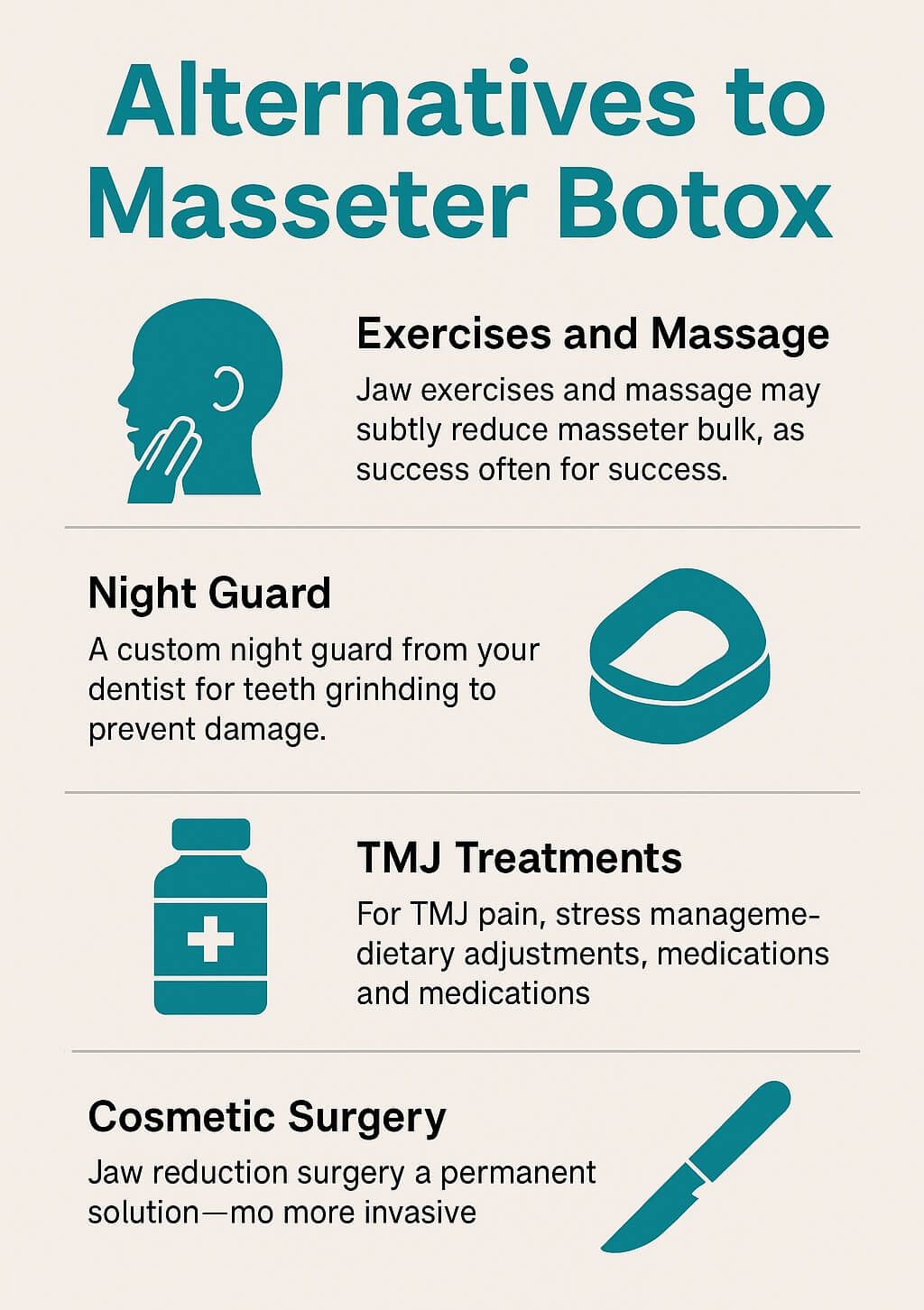
Cosmetic surgery is a more invasive option but might actually be safer than repeated botox injections if jaw slimming is your goal. Jaw reduction surgery provides permanent results and doesn’t involve neurotoxins, though it carries surgical risks that need their own careful consideration.
Sometimes the appearance of a heavy jaw comes from factors other than masseter muscle size. Excess fat, bone structure, or skin laxity might be contributing. A consultation with a cosmetic surgeon could help identify whether masseter reduction would actually achieve your goals.
What would a cautious approach to getting masseter botox look like?
If after consulting with your doctors you decide to proceed, doing so as safely as possible should be your priority. This means taking a very conservative, careful approach rather than rushing in.
Start with a comprehensive neurological examination that documents your current baseline function. This should include testing facial muscle strength, sensation, and coordination. Having this documented gives you a comparison point if anything changes after botox.
Choose an extremely experienced injector who has specific training in facial anatomy and who understands neurological conditions. This isn’t the time to go to a medispa run by someone with minimal training. You want a physician, preferably a dermatologist or plastic surgeon with extensive botox experience.
Begin with the absolute minimum effective dose. This might mean accepting that you won’t get the full cosmetic or therapeutic effect initially. The goal is to see how your body responds before committing to larger amounts.
Plan for close follow-up. Schedule an appointment one week after injection to check for any spreading effects or unexpected weakness. Then follow up again at the two-week mark and at one month. This monitoring helps catch problems early.
Keep a symptom diary for the month following injection. Note any changes in facial sensation, weakness, difficulty chewing or swallowing, or increases in your usual tingling or numbness. Even subtle changes are worth documenting.
Avoid any triggers that normally cause your residual symptoms to flare for at least two weeks after injection. Get adequate sleep, manage stress, and don’t overexert yourself physically. You want to minimize other stressors on your nervous system while it’s dealing with the botox.
How long should you wait after your last symptom flare?
Medical consensus generally suggests waiting at least six months to a year after your last significant symptom before considering elective procedures that could stress your nervous system. However, with an autoimmune nerve condition, the calculation is more complex.
You mention that you still experience symptoms when fatigued—numbness in your arm and tongue tingling. Even though these are triggered by fatigue rather than being constant, they indicate ongoing nerve vulnerability. This isn’t the same as being completely symptom-free.
A truly stable baseline would mean going months without any symptoms at all, even under stress. The fact that symptoms can still be triggered suggests your nerves remain somewhat fragile. Many neurologists would want to see at least a year of complete symptom stability before green-lighting elective neurotoxin injections.
Consider whether your symptoms are gradually improving, staying the same, or subtly worsening. If there’s any trend toward worsening, even if it’s slow and minor, that would be a strong reason to avoid botox. You don’t want to add another variable into a situation that’s potentially evolving on its own.
The four years since your Miller Fisher syndrome is a reasonable amount of time in terms of recovery, and most people who will recover have done so by this point. However, the presence of ongoing symptoms means your particular case involves some persistent nerve issues rather than a complete recovery.
What are the signs of complications you’d need to watch for?
If you do proceed with masseter botox, knowing what complications look like is crucial for catching problems early. Some effects are normal and expected, while others signal a problem.
Normal expected effects include some mild soreness at the injection sites, possibly light bruising, and gradual weakening of your chewing muscles over the next few days to two weeks. Your bite might feel different, and chewing tough foods might be harder. These are intended effects when properly localized.
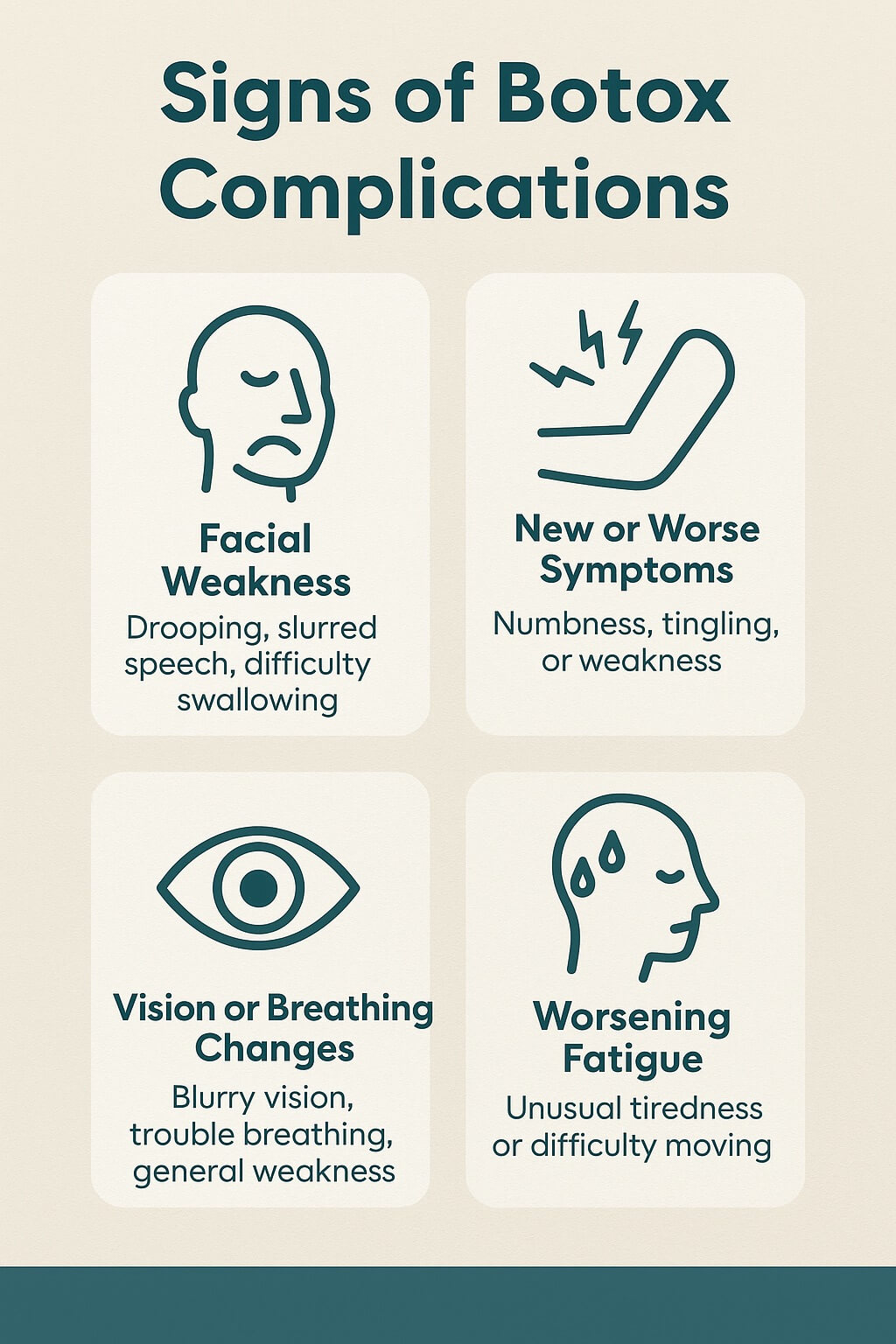
Warning signs that need immediate attention include difficulty swallowing, choking on food or liquids, drooling or inability to control saliva, slurred speech, or drooping of your lips or cheeks. These suggest the botox has affected muscles it shouldn’t have.
Any new or worsening numbness, tingling, or weakness beyond what you normally experience when fatigued would be concerning. If your arm numbness suddenly becomes constant rather than fatigue-related, or if it spreads to areas that weren’t previously affected, that needs evaluation.
Vision changes, trouble breathing, or generalized weakness throughout your body are rare but serious complications that require emergency care. While unlikely with masseter injections specifically, anyone receiving botox should be aware of these possibilities.
Increased severity or frequency of your usual residual symptoms could indicate that the botox is stressing your already-vulnerable nervous system. Even if the effect is mild, it’s worth contacting your neurologist.
What would make this a definite no-go decision?
Certain factors would make most reasonable medical professionals strongly advise against masseter botox given your history. If any of these apply to you, the risk is probably too high.
If you’ve had any relapses or new episodes of nerve problems since your Miller Fisher syndrome, botox should be off the table. A history of relapsing nerve dysfunction suggests ongoing autoimmune activity that could be exacerbated.
If your current symptoms are worsening rather than stable or improving, adding a neurotoxin is unwise. You don’t want to mask or complicate a potentially evolving situation.
If you have other autoimmune conditions beyond Miller Fisher syndrome, your immune system has shown a pattern of attacking your body. This might increase the theoretical risk of botox triggering immune responses.
If you’re experiencing any swallowing difficulties currently, even subtle ones, masseter botox is too risky. The masseter is close to muscles involved in swallowing, and any spread could worsen existing problems.
If your neurologist expresses significant concern or recommends against it, that advice should be taken very seriously. They understand your specific case better than a cosmetic practitioner would.
Finally, if the botox is purely for cosmetic reasons and not treating a painful or functionally limiting condition, the risk-benefit analysis doesn’t favor proceeding. Cosmetic enhancements aren’t worth potentially triggering nerve problems when you’ve already been through significant neurological trauma.
The decision about masseter botox with your medical history isn’t black and white, but it definitely requires extensive medical consultation, careful consideration of risks, and honest assessment of whether the potential benefits justify those risks. Your nerves have been through enough—protecting them should be your priority.