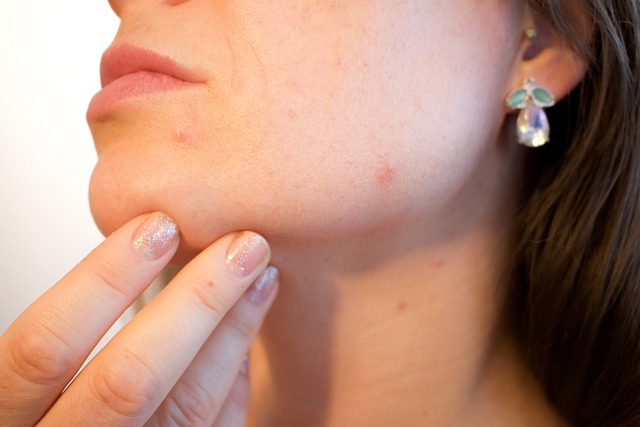
You look in the mirror one morning and notice something alarming: there’s a small but noticeable hole where a clogged pore used to be. Maybe you gently touched a bump and something came out, or perhaps a plug of buildup simply fell out on its own during your skincare routine. Now you’re staring at what looks like a crater in your skin, wondering if it will leave a permanent scar.
If you’ve ever experienced this, you know how unsettling it can be. The good news? This situation is far more common than you think, and there are proven steps you can take to help your skin heal properly and minimize the risk of scarring.
Let’s talk about what’s happening to your skin, why it looks this way, and most importantly—exactly what you should do to support healing.
What Causes a “Hole” After a Clogged Pore Clears?
When you see a “hole” left behind after something comes out of your pore, what you’re actually seeing is a temporarily enlarged, empty pore. Here’s the science behind what happened:
Over time, dead skin cells, oil (sebum), dirt, and bacteria accumulated inside your pore. Pores are tiny openings in your skin that release oil and sweat from your glands, and clogged pores develop when dead skin cells, oil or dirt get trapped in them.
As this buildup continued, it stretched the pore walls outward, making the pore larger. Think of it like filling a balloon—the more you put in, the more it expands. When the material finally exits, you’re left with a stretched, empty space that can look quite dramatic.
The material that came out was likely a combination of:
- Solidified sebum (your skin’s natural oil)
- Dead skin cells
- Bacteria
- Keratin (a protein in your skin)
These substances formed a plug inside your pore over days, weeks, or even longer. When it finally exits, the pore needs time to contract back to its normal size.
The reassuring news? Clogged pores aren’t usually cause for alarm and usually clear up with the right skin treatments. That “hole” you’re seeing isn’t necessarily permanent damage—it’s your pore in a temporarily stretched state that will likely shrink as it heals.
Will It Leave a Scar?
This is probably your biggest worry, and it’s completely understandable. The honest answer is: it depends on several factors, but with proper care, you can significantly reduce the risk of scarring.

Scars happen because your body is trying to repair the acne, and how your unique body responds to a wound determines if and how much scarring you’ll have. Not everyone who experiences clogged pores develops scars—in fact, most people don’t when the extraction occurs naturally or gently.
Factors That Increase Scarring Risk:
- The pore was deeply clogged and inflamed before clearing
- Aggressive picking, squeezing, or extraction was involved
- The area becomes infected during healing
- Inadequate care during the healing process
- You have a genetic predisposition to scarring
- The clog was large and stretched the pore significantly
Factors That Decrease Scarring Risk:
- The extraction was gentle or happened naturally
- You keep the area clean and protected
- You avoid touching or irritating the healing skin
- You follow proper skincare protocols
- You protect the area from sun exposure
- You have generally resilient skin
What to Do Right Now: Immediate Treatment Steps
Here’s your action plan for the first 24-48 hours after discovering that empty pore:
Step 1: Keep It Clean (But Be Gentle)
Continue washing your face twice daily with a gentle, non-comedogenic cleanser and lukewarm water. Hot water can irritate your skin, causing pores to look larger, so stick with warm (not hot) water.
Avoid over-washing or scrubbing the area. Scrubbing can irritate your skin, causing inflammation, and when skin is inflamed, pores tend to be more noticeable. Gentle patting motions are all you need.
Step 2: Hands Off—Seriously
This is the hardest but most important rule: Never scrub, rub, pick at, or squeeze the skin on your face. Resist the urge to touch, poke, or constantly examine the area in the mirror.
Every time you touch your face with unwashed hands, you risk introducing bacteria that could cause infection and ultimately lead to scarring. If you must examine the area, do so after washing your hands and from a distance.
Step 3: Moisturize Appropriately
Proper hydration is essential for healing, but the type of moisturizer matters. The word “non-comedogenic” means the product won’t clog your pores, and when pores clog, they expand, which can make your pores look more noticeable.
For the healing period, use a lightweight, non-comedogenic moisturizer. Avoid:
- Heavy ointments or thick balms (unless specifically recommended by a dermatologist)
- Products with fragrances or essential oils that can irritate
- Makeup or foundation directly over the area for the first few days
Look for moisturizers containing:
- Hyaluronic acid (hydrating without heaviness)
- Ceramides (support skin barrier repair)
- Glycerin (moisture retention)
Step 4: Protect from Sun Exposure
Sun protection is absolutely crucial during healing. UV exposure can worsen inflammation and dramatically increase the risk of post-inflammatory hyperpigmentation—those dark spots that form after skin trauma and can last for months.
Apply a broad-spectrum SPF 30+ sunscreen every morning, even if you’re working from home. UV rays penetrate windows and are present year-round, even on cloudy days.
Step 5: Pause Active Ingredients Temporarily
If you regularly use active skincare ingredients like benzoyl peroxide, salicylic acid, retinoids, or AHAs/BHAs, pause their use on the affected area for 3-5 days. These ingredients can be irritating to compromised skin and may slow healing.
Focus instead on gentle cleansing, simple moisturizing, and protection. You can resume active ingredients once the area looks less like an open hole and more like a slightly enlarged pore.
Understanding Treatment Options During Healing
Should You Use Hydrocolloid Patches?
Hydrocolloid patches (often called pimple patches) are designed to absorb fluid from active, weeping lesions—pimples that are oozing or have visible whiteheads. For an empty pore that’s not inflamed or producing fluid, these patches won’t provide much benefit.
In fact, the adhesive on these patches can sometimes irritate already-compromised skin. Save the patches for active breakouts, not for healing, empty pores.

What About Spot Treatments?
Most spot treatments contain active ingredients like benzoyl peroxide, salicylic acid, or tea tree oil that are designed to fight bacteria and dry out active pimples. An empty, healing pore doesn’t need these aggressive treatments.
Using spot treatments on healing skin can:
- Cause excessive drying and peeling
- Delay the healing process
- Increase irritation and redness
- Potentially worsen the appearance
Wait until the pore has substantially healed before resuming your regular acne-fighting routine.
Can Ice or Cold Compresses Help?
Some people find that gently applying a clean, cold compress can help reduce any minor swelling around the pore. If you choose to try this:
- Wrap ice or a cold compress in a clean cloth
- Apply for no more than 10 minutes at a time
- Don’t apply ice directly to skin
- Limit to 2-3 times per day maximum
However, this step is optional. If there’s no significant inflammation or swelling, gentle cleansing and moisturizing are sufficient.
Long-Term Healing: Supporting Your Skin
Beneficial Ingredients Once Initial Healing Begins
After the first 3-5 days of gentle care, when the pore no longer looks like an obvious hole, you can consider gradually introducing ingredients that support skin renewal and pore refinement:
Niacinamide: A type of vitamin B3, niacinamide can soothe redness, lighten dark spots, and help your skin heal from damage. It’s gentle, well-tolerated by most skin types, and helps strengthen your skin barrier while reducing inflammation. Studies show it can improve the appearance of enlarged pores over time.
Retinoids: When it’s put on your skin, retinol can help unclog pores, speed up the shedding of skin cells, and increase collagen. Start with a low concentration (0.25% or 0.5%) and use it every other night to avoid irritation. Gradually increase frequency as your skin adjusts.
Vitamin C: This powerful antioxidant supports collagen production and can help with healing. It also helps prevent dark spots from forming as the area heals. Look for stabilized forms like magnesium ascorbyl phosphate for sensitive skin.
Hyaluronic Acid: This hydrating powerhouse helps keep skin plump and supports the healing process without being heavy or potentially pore-clogging. It attracts moisture to the skin, creating an optimal healing environment.
Peptides: These amino acid chains support collagen production and skin repair. They’re generally gentle and work well with other ingredients.
Preventing Future Clogs and Enlarged Pores
Once your current situation heals, implementing a prevention strategy can help you avoid repeat experiences:

1. Choose Non-Comedogenic Products
Look for one of the following terms on everything you apply to your face: non-comedogenic, oil-free, or won’t clog pores. This applies to:
- Sunscreen
- Moisturizer
- Makeup and foundation
- Hair products that touch your face
- Any topical treatments
2. Cleanse Properly (But Don’t Overdo It)
Cleansing twice daily can unclog pores, prevent clogged pores, and reduce oiliness. However, more isn’t better. Over-cleansing strips your skin’s natural oils, which can trigger increased oil production as your skin tries to compensate.
The sweet spot: Morning and evening cleansing with a gentle, pH-balanced cleanser.
3. Incorporate Chemical Exfoliation
Salicylic acid is a popular chemical exfoliant that can help unclog pores and is also useful for treating acne, hyperpigmentation, and other common skin conditions. Unlike physical scrubs (which can damage skin), chemical exfoliants work gently to dissolve the bonds holding dead skin cells together.
Start with 1-2 times per week and increase gradually based on your skin’s tolerance.
4. Don’t Over-Treat Your Skin
More products and stronger concentrations don’t equal better results. Over-treating your skin can damage your skin barrier, leading to:
- Increased oil production (your skin compensates for being dried out)
- More frequent clogs
- Increased sensitivity
- Chronic irritation
Quality over quantity is the rule for effective skincare.
5. Consider Regular Professional Extractions
If you’re prone to stubborn clogs, regular facials with a licensed esthetician can help. Professional extractions are performed with proper tools and technique, minimizing pore stretching and scarring risk.
Understanding Different Types of Acne Scarring
If scarring does occur despite your best efforts, understanding the types can help you identify and address them:
Acne scars take on two main forms: either a scar develops when there is a loss of tissue, resulting in an indentation in the surface of the skin; or, a scar develops that is raised on the surface of the skin.
Atrophic (Depressed) Scars:
- Ice pick scars: Deep, narrow scars that resemble tiny holes in the skin
- Boxcar scars: Broader, box-like depressions with defined edges
- Rolling scars: Wave-like indentations that create uneven texture
Hypertrophic (Raised) Scars:
They’re caused when fibrous tissues, the collagen, in the region of the skin overgrow, creating raised scars. These are less common from clogged pores but can occur, especially in people prone to keloid scarring.
Post-Inflammatory Hyperpigmentation (PIH):
Technically not a scar, PIH refers to dark spots that remain after a pore clears. These are temporary but can last months if not properly treated and protected from sun.
The encouraging news? Modern dermatology offers effective treatments for all scar types, including lasers, chemical peels, microneedling, dermal fillers, and prescription topicals.
The Healing Timeline: What to Expect
Understanding the typical healing process can help manage your expectations and reduce anxiety:
Days 1-3: The pore looks like an obvious hole or crater. It may be slightly red around the edges. This is completely normal and expected.
Days 4-7: The pore begins to close up as new skin cells form. It should look less like a hole and more like an enlarged pore. Redness typically starts to fade.
Days 8-14: The pore continues to shrink. It may still be slightly more visible than your surrounding pores, but the dramatic “hole” appearance should be gone.
Weeks 2-4: The pore continues to return to a more normal size. It may remain slightly larger than your surrounding pores depending on how stretched it was initially.
Months 1-3: With proper skincare including ingredients like retinoids and niacinamide, most enlarged pores will shrink significantly during this period.
Remember: everyone’s healing timeline differs based on factors like age, skin type, genetics, overall health, and skincare routine. Be patient with your skin.
When to See a Dermatologist
Contact your doctor if you have acne that is painful, inflamed, infected or filled with pus, or if you notice any abnormal skin growths or lesions.
You should also schedule an appointment if:
- The area becomes increasingly red, swollen, warm, or painful
- You notice pus, yellow crusting, or signs of infection
- The “hole” doesn’t begin to close within 7-10 days
- You develop unusual discoloration around the area
- You have a history of severe scarring or keloids
- You’re very concerned about potential scarring
- You experience multiple large clogs regularly
A dermatologist can assess your specific situation, provide prescription treatments if needed, and offer professional procedures that support healing and minimize scarring risk.
Lifestyle Factors That Support Skin Healing
Beyond topical skincare, these lifestyle factors significantly influence how quickly and effectively your skin heals:
Hydration: Drink adequate water throughout the day to support skin cell regeneration and overall skin health. Aim for at least 8 glasses daily.
Quality Sleep: Your skin repairs itself most actively during sleep. Aim for 7-9 hours of consistent, quality sleep each night.
Nutrition: Foods rich in vitamins A, C, E, and zinc support skin healing. Omega-3 fatty acids help reduce inflammation. Include plenty of colorful fruits, vegetables, and healthy fats in your diet.
Stress Management: Chronic stress can slow healing and worsen inflammation. Practice stress-reduction techniques like deep breathing, meditation, yoga, or regular exercise.
Avoid Smoking: Smoking severely impairs healing by restricting blood flow to the skin and depleting vitamin C levels.
Limit Alcohol: Excessive alcohol consumption can dehydrate skin and interfere with healing processes.
Building a Pore-Healthy Routine
Once your skin has healed, maintain pore health with this simple but effective routine:
Morning:
- Gentle cleanser
- Hydrating toner (optional)
- Niacinamide or vitamin C serum
- Lightweight, non-comedogenic moisturizer
- Broad-spectrum SPF 30+ sunscreen (non-negotiable)
Evening:
- Gentle cleanser (double cleanse if wearing makeup or sunscreen)
- Chemical exfoliant 2-3x per week (salicylic acid or gentle AHA)
- Retinoid or treatment serum (off nights from exfoliation)
- Niacinamide serum
- Moisturizer
Weekly:
- Clay mask once per week to help draw out impurities
- Consider professional facials monthly if prone to clogs
The Bottom Line: Your Pore Will Heal
If you’re currently staring at that concerning hole in your skin, here’s what you need to remember:
First, what you’re experiencing is common. Many people have clogged pores that temporarily leave enlarged openings when the material clears out.
Second, with proper care—gentle cleansing, appropriate moisturizing, sun protection, and keeping your hands away—the vast majority of these situations heal without permanent scarring.
Third, even if some scarring does occur, modern dermatology offers numerous effective treatments to significantly improve the appearance of scars.
Fourth, this experience can be valuable feedback about your skincare routine. It’s an opportunity to evaluate your products, ensure they’re non-comedogenic, and develop habits that prevent future clogs.
Finally, patience is essential. Skin healing takes time, and you won’t see significant improvement overnight. Give your skin the gentle care, time, and protection it needs.
Your skin is remarkably resilient and has an incredible ability to repair itself. That hole is temporary. With the right approach, your skin will heal, and in a few weeks, you’ll likely be surprised by how much better it looks.
Trust the process, be gentle with your skin, and remember—healing is happening, even when you can’t see it yet.