Protein shakes make some people want to gag. The texture, the chalky taste, the feeling of forcing down something that resembles a liquid meal—it’s just not for everyone. But when you need more protein in your diet and want to add creatine for muscle and bone health, it feels like shakes are your only option. They’re not.
Homemade protein balls offer a brilliant alternative. You can pack the same nutritional punch into a chewy, cookie-like snack that actually tastes good. Making them with oats, protein powder, creatine, and a few other simple ingredients gives you grab-and-go nutrition without the nausea. Let’s talk about how to make these work, what ingredients to choose, and whether freezing affects the nutrients you’re trying to get.
Will protein powder lose its effectiveness when mixed into no-bake energy balls?
This is a common worry, but the good news is that protein powder stays perfectly effective in no-bake recipes. The amino acids in protein powder are stable at room temperature and don’t break down from being mixed with other ingredients or stored in the fridge or freezer.
Heat is what can potentially damage some proteins, which is why cooking protein powder at very high temperatures for long periods might reduce its quality slightly. But since you’re making no-bake energy balls that just get refrigerated or frozen, there’s zero concern about heat damage.
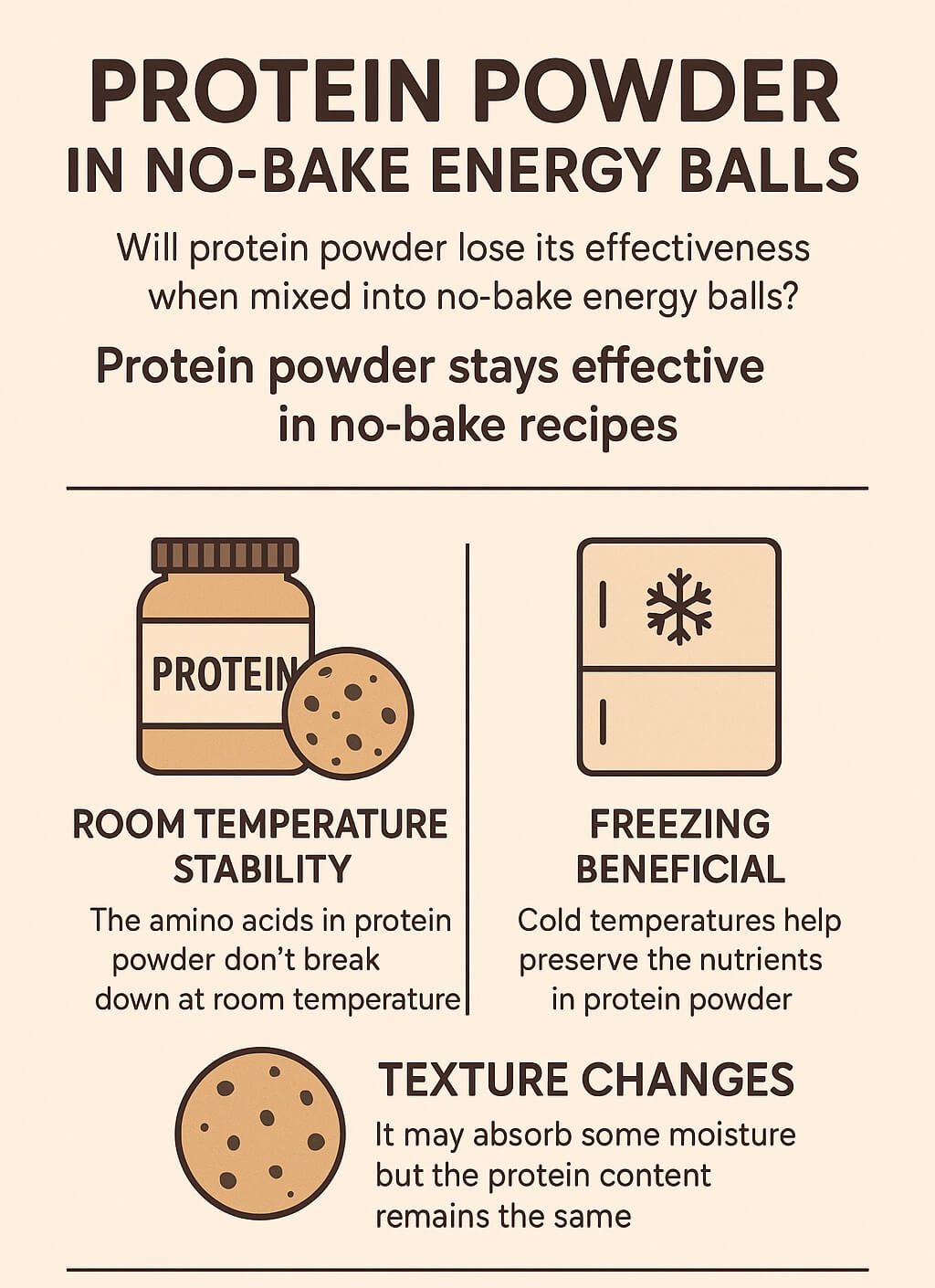
Freezing actually helps preserve the protein powder even better. Cold temperatures slow down any degradation processes, which means your frozen protein balls will keep their nutritional value for months. The amino acids remain intact and ready for your body to use.
The protein powder might absorb some moisture from other ingredients over time, which could change the texture of your balls slightly, making them softer or stickier. But this doesn’t affect the protein content or how well your body can use it.
Does creatine work the same way when eaten in food versus mixed in water?
Creatine is incredibly stable and works just as well whether you drink it in water, stir it into yogurt, or eat it baked into energy balls. Your digestive system breaks down the food and absorbs the creatine the same way regardless of what it’s mixed with.
One thing people worry about is whether creatine degrades when mixed with liquid and left sitting. This can happen slowly in acidic liquids like orange juice over several hours. But in your energy balls, the creatine stays dry and protected by the other ingredients until you eat them. Once you do eat them, they move through your digestive system quickly enough that degradation isn’t an issue.
Taking creatine with carbohydrates, which your energy balls will have from the oats and syrup, might actually help your muscles absorb it slightly better. The carbs trigger insulin release, which helps shuttle creatine into muscle cells. So your recipe idea is actually pretty smart from an absorption standpoint.
The standard creatine dose is about three to five grams per day for maintenance. A small energy ball can easily hold this amount mixed throughout. You’ll want to measure carefully when making your batch to make sure each ball has roughly the right amount.
What type of protein powder works best for lactose intolerance?
If you’re lactose intolerant, regular whey protein concentrate will likely cause you problems since it contains lactose. But you have several good alternatives that work great in energy balls.
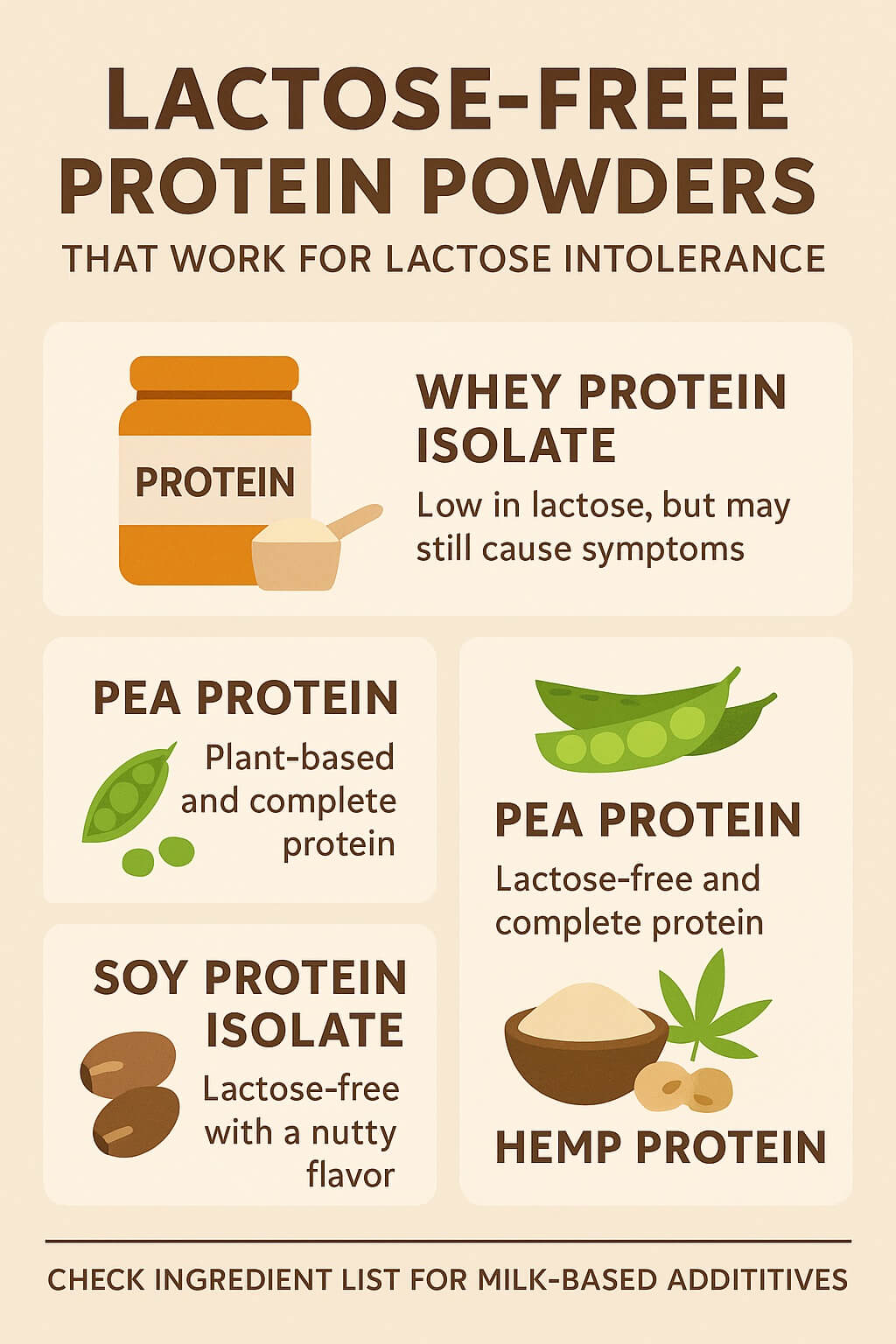
Whey protein isolate is your first option. The isolate form has been processed to remove almost all the lactose—usually less than one percent remains. Most lactose-intolerant people can handle this amount without issues, though if you’re extremely sensitive, you might still react.
Pea protein is a popular plant-based option that’s completely lactose-free. It has a slightly earthier taste than whey, but when mixed with cocoa powder and sweetener in energy balls, you won’t really notice it. Pea protein is also a complete protein, meaning it has all the essential amino acids your body needs.
Rice protein is another plant option, though it’s not a complete protein on its own. Some people mix rice and pea protein together to get a better amino acid profile. For energy balls, using a blend works fine.
Soy protein isolate is lactose-free and a complete protein. Some people avoid soy for various reasons, but if you’re not one of them, it works well and tends to be affordable.
Hemp protein is trendy and lactose-free, but it has a strong nutty flavor that some people find overpowering. It also tends to have less protein per scoop compared to other options. For energy balls where other flavors can mask it, hemp protein is workable.
When choosing a protein powder, check the ingredient list carefully. Some products sneak in milk-based ingredients beyond just the protein itself. Terms like “whey,” “casein,” “milk solids,” or “lactose” mean the product isn’t safe for lactose intolerance.
How long can homemade protein balls last in the fridge or freezer?
Refrigerated protein balls typically stay fresh for about one to two weeks when stored in an airtight container. The exact time depends on the moisture content of your recipe and what ingredients you use. Wetter ingredients like nut butters or syrups tend to make them spoil faster.
Watch for signs of spoilage like mold, off smells, or sliminess. If your balls contain dried fruit, that can sometimes look moldy even when it’s not, so use your nose as the guide.
Freezing extends the life dramatically. Properly stored in a freezer-safe container or bag, protein balls can last three to six months frozen. The texture might change slightly after freezing—they may be a bit denser or take longer to chew when first removed from the freezer. Letting them sit at room temperature for five to ten minutes before eating solves this.
The key to long freezer life is preventing freezer burn. Remove as much air as possible from your storage container. You can also wrap individual balls in plastic wrap before putting them in a container for extra protection.
Some people prefer to freeze their balls on a baking sheet first so they don’t stick together, then transfer them to a container once frozen. This way you can grab just one or two at a time instead of having to thaw the whole batch.
What ingredients make the best texture for protein energy balls?
Getting the right texture takes some experimentation, but rolled oats form the perfect base. They provide structure and chewiness while adding fiber and some extra protein.
Old-fashioned rolled oats work better than quick oats or instant oats. The larger flakes hold together better and give a more satisfying texture. You can use them raw, or toast them lightly in a dry pan first for a nuttier flavor.
You’ll need a binding agent to hold everything together. Options include honey, maple syrup, agave syrup, or even date paste. These sticky ingredients glue the dry components together while adding sweetness. If you want to avoid added sugars, dates or ripe banana can work, though banana adds moisture that affects storage time.
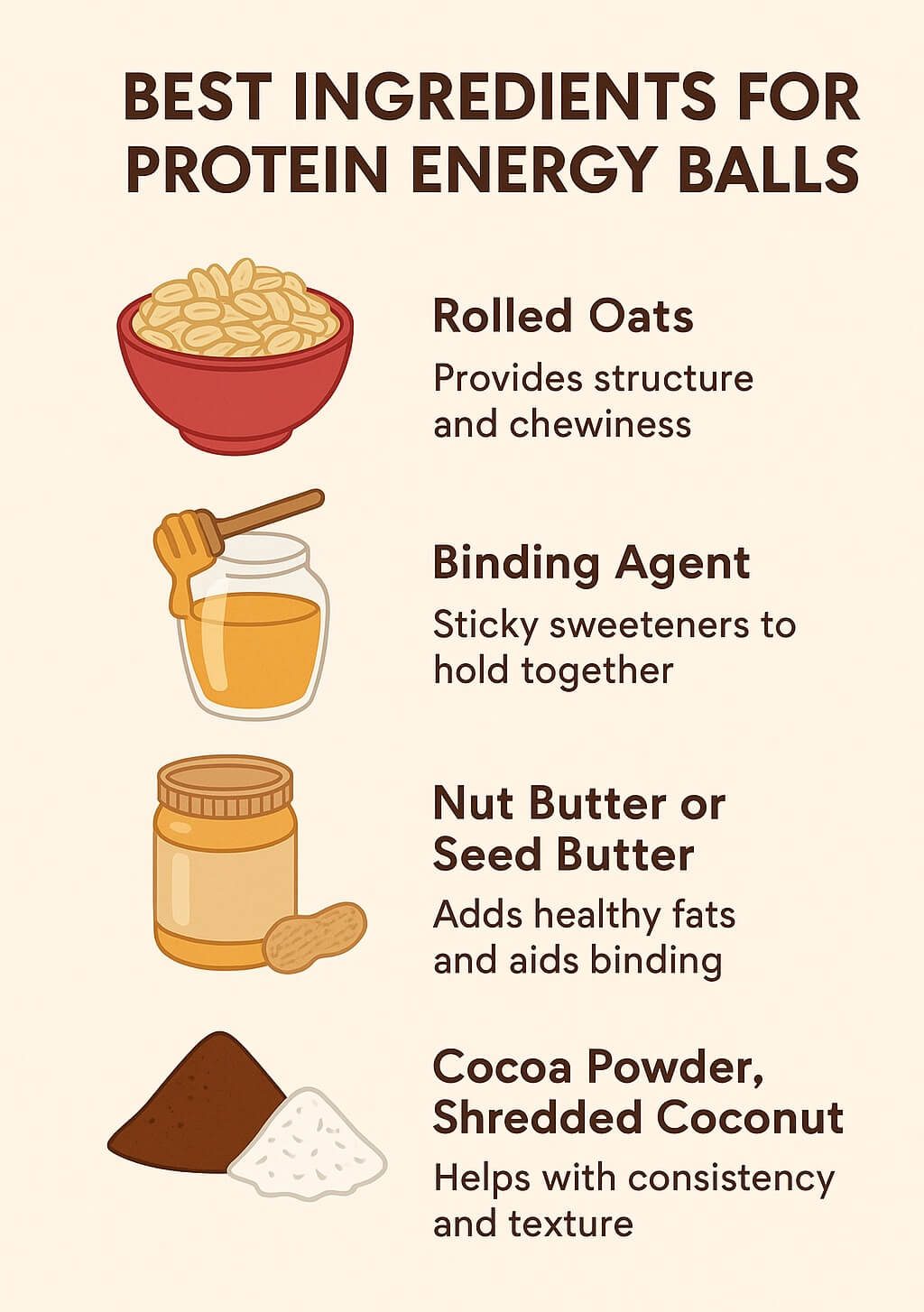
Nut butter or seed butter adds healthy fats and helps with binding. Peanut butter, almond butter, sunflower seed butter, or tahini all work well. The fats keep the balls from being too dry and add calories if you need them.
Cocoa powder isn’t just for flavor—it also absorbs moisture and helps create the right consistency. Unsweetened cocoa powder is best since you’re adding sweetener separately.
Shredded coconut adds texture and a subtle flavor. You can use sweetened or unsweetened depending on how sweet you want the final product. Coconut also contains healthy fats.
Some people add ground flaxseed or chia seeds for extra nutrition and to help absorb moisture. These are optional but beneficial.
The typical ratio that works well is roughly two parts oats to one part protein powder, with enough wet ingredients to bring it together into a dough-like consistency. You want the mixture to hold together when squeezed but not be overly wet or crumbly.
How much protein and creatine should each ball contain?
For protein, most people need about 20 to 30 grams per serving to effectively support muscle maintenance and growth. However, if you’re eating one ball as a snack rather than a meal replacement, you might aim for 10 to 15 grams per ball.
If your recipe makes 12 balls and you use three scoops of protein powder (roughly 75 grams of protein), each ball contains about six grams of protein. Add the protein from oats and any nut butter, and you might get eight to ten grams per ball. Eating two balls gives you a solid protein snack.
For creatine, the maintenance dose is three to five grams daily. If you’re making 12 balls, adding one tablespoon of creatine (about 15 grams total) means each ball has a bit over one gram. Eating three to four balls throughout the day would hit your creatine target, though most people prefer to get their full dose in one or two balls.
You could also make some balls with creatine and some without, marking them differently. This lets you have regular protein balls as snacks plus one or two creatine balls specifically for your daily dose.
What’s a basic recipe that actually works?
Here’s a straightforward starting recipe you can adjust based on what you have available and your taste preferences.
Start with two cups of rolled oats as your base. Add half a cup of protein powder—choose your lactose-free option. Mix in two tablespoons of cocoa powder and half a cup of shredded coconut. If you’re adding creatine, include one tablespoon for the whole batch.
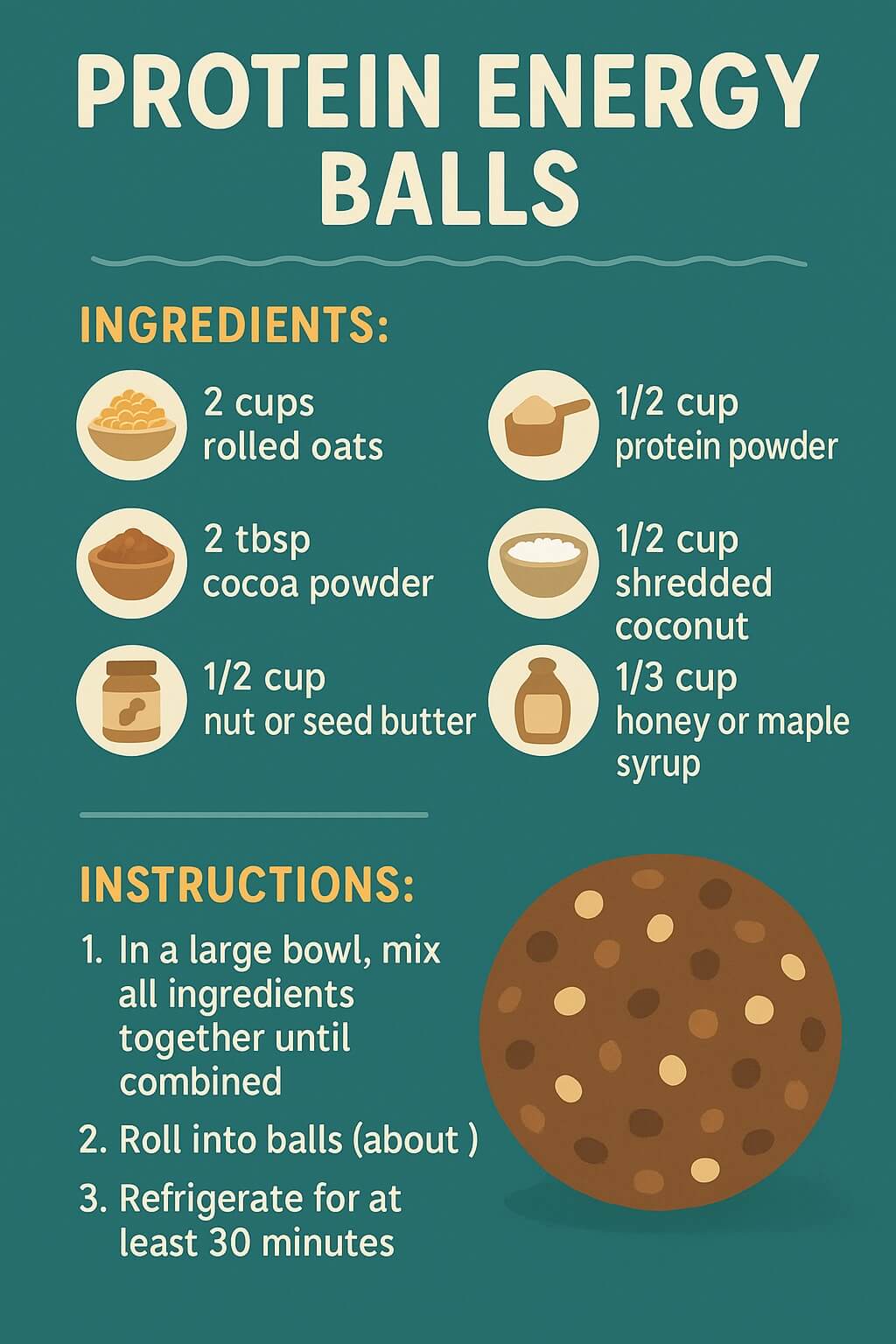
For wet ingredients, combine half a cup of nut butter or seed butter with a third cup of honey or maple syrup. If the mixture seems too dry to hold together, add a tablespoon of water at a time until it reaches the right consistency.
Mix everything in a large bowl until well combined. The mixture should stick together when you squeeze a handful. If it’s too dry and crumbly, add more nut butter or syrup. If it’s too wet and sticky, add more oats or a tablespoon of protein powder.
Roll the mixture into balls roughly the size of a golf ball or ping pong ball. You should get about 12 balls from this recipe, though the exact number depends on how large you make them.
Place the balls on a plate or baking sheet and refrigerate for at least 30 minutes to firm up. After that, transfer them to an airtight container. They’re ready to eat immediately or can be frozen for later.
Can I add other healthy ingredients to boost nutrition?
Absolutely. Protein balls are incredibly flexible and forgiving.
Ground flaxseed or chia seeds add omega-3 fatty acids and fiber. A tablespoon or two mixed into the batch works well. These also help absorb moisture and improve texture.
Dried fruit like cranberries, raisins, or chopped dates add natural sweetness and chewiness. Keep in mind that dried fruit adds sugar and moisture, which affects how long they keep.
Dark chocolate chips or cacao nibs add antioxidants if you want something more indulgent. Mini chips work better than regular-sized ones.
Nuts like chopped almonds, walnuts, or pecans add crunch and healthy fats. Make sure they’re chopped small enough to not make the balls fall apart.
Vanilla extract or almond extract can enhance the flavor. A teaspoon in the wet ingredients goes a long way.
Spices like cinnamon or a pinch of salt can make the flavors more complex and interesting.
Collagen powder can be added alongside protein powder for additional amino acids that support joint and skin health. It dissolves easily and doesn’t affect texture much.
Do I need to eat protein balls at a specific time of day?
Not really. Unlike protein shakes that people often drink right after workouts for quick absorption, protein balls are more flexible.
Eating one in the morning with breakfast can help you start the day with good protein intake. For older adults, spreading protein throughout the day rather than loading it all at dinner helps with muscle maintenance.
Having a ball as an afternoon snack can prevent the energy crash that comes from going too long between meals. The combination of protein, carbs, and fats provides steady energy.
After physical activity, a protein ball helps with muscle recovery, though the timing isn’t as critical as some people think. Your muscles can use protein for repair for many hours after exercise, not just in some magical 30-minute window.
Before bed, a protein ball provides slow-digesting nutrition that can help with overnight muscle recovery. Some people find that eating a small protein-rich snack before sleep helps them feel better in the morning.
For creatine specifically, timing doesn’t matter much at all. What matters is taking it consistently every day so your muscles stay saturated. Whether that’s morning, afternoon, or evening makes almost no difference to its effectiveness.
The best time to eat your protein balls is whenever they fit into your routine and when you’re most likely to remember them. Consistency matters more than perfect timing.