Walk into any health food store or scroll through parenting social media, and you’ll be bombarded with colorful plant-based supplements promising to fill nutritional gaps for your kids. Gummies made from organic fruit, powders you can blend into smoothies, fizzy vitamin tablets with no artificial anything. They look appealing, sound healthy, and make you feel like you’re doing something extra for your child’s wellbeing. But between the glossy marketing and genuine parental concern, it’s hard to know what’s actually useful versus what’s just expensive window dressing.
The truth is more nuanced than supplement companies want you to believe. Some kids genuinely benefit from targeted supplementation, while others are getting everything they need from food and don’t require anything extra. Understanding which category your child falls into helps you make better decisions about spending money and adding another daily task to your routine.
What exactly are plant-based supplements for kids?
Plant-based supplements are vitamin and mineral products made from whole food sources or derived from plants rather than synthetic chemicals. Instead of ascorbic acid made in a lab, for example, the vitamin C might come from concentrated acerola cherries or camu camu berries. The minerals might be extracted from algae or other plant sources rather than processed from rocks or minerals.
These supplements come in various forms designed to appeal to kids. Gummy vitamins made with fruit pectin instead of gelatin, chewable tablets flavored with real fruit, powders that blend into drinks or yogurt, and fizzy tablets that dissolve in water are all common options. The marketing emphasizes natural sources, organic ingredients, no synthetic additives, and being gentle on kids’ systems.
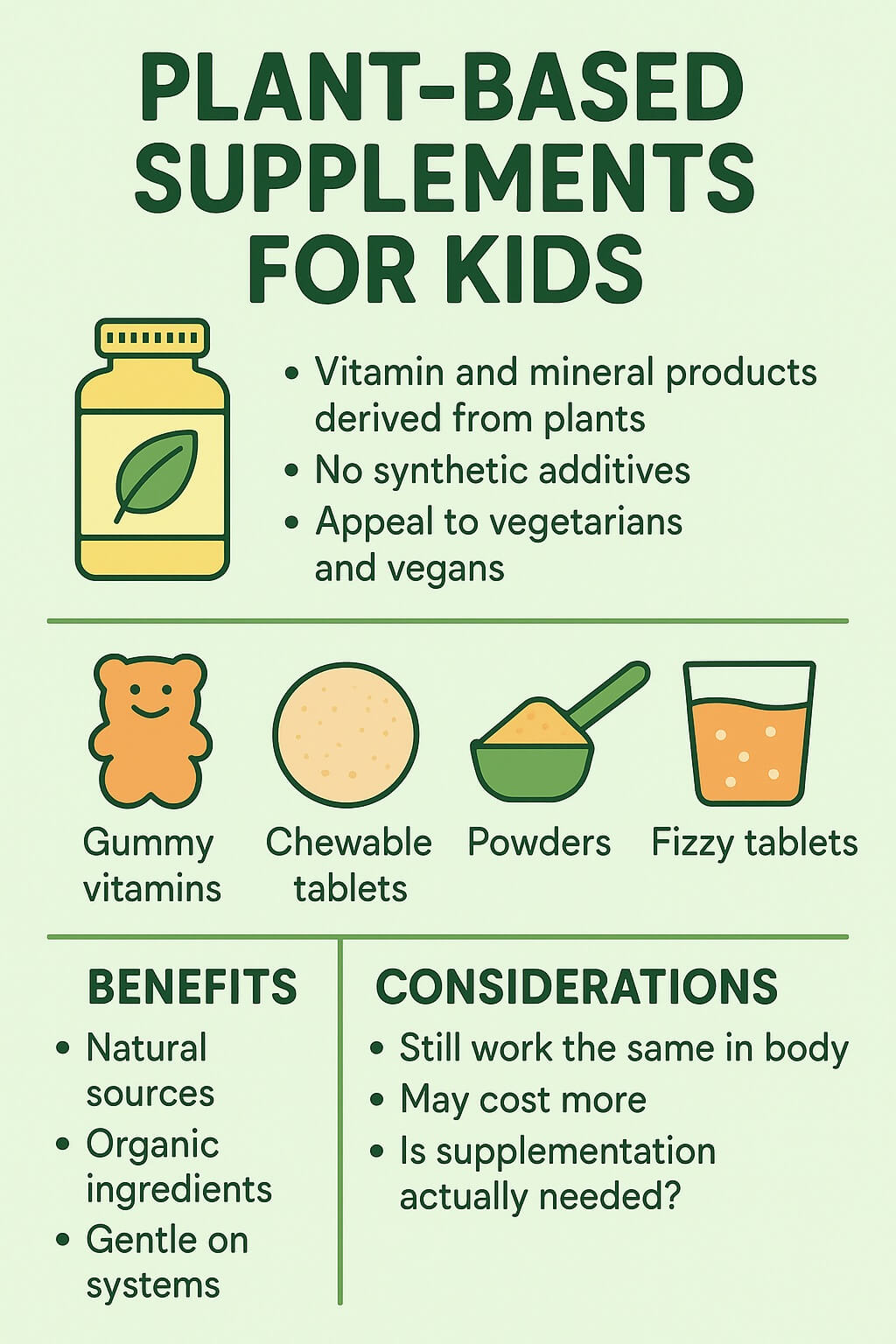
The appeal for parents is obvious. If you’re trying to feed your family more whole foods and fewer processed products, supplements that follow the same philosophy feel consistent with your values. Plant-based options also work for families following vegetarian or vegan diets, as traditional supplements sometimes contain animal-derived ingredients like gelatin in gummies or vitamin D from lanolin.
However, “plant-based” doesn’t automatically mean better or more effective. Your child’s body doesn’t necessarily distinguish between vitamin C from a cherry versus vitamin C made synthetically. Both are the same molecule and function identically once absorbed. The source matters more for marketing appeal and dietary restrictions than for actual nutritional benefit in most cases.
Some plant-based supplements do offer advantages like including beneficial plant compounds alongside the vitamins, using gentler forms of certain nutrients, or avoiding common allergens. But these benefits need to be weighed against factors like cost, taste, and whether your child actually needs supplementation at all.
Do kids really need supplements if they eat reasonably well?
Most children who eat a varied diet with regular access to fruits, vegetables, whole grains, proteins, and dairy or dairy alternatives get adequate nutrition without supplements. The human body is designed to extract nutrients from food, and real food provides vitamins and minerals in forms that are easily absorbed along with fiber, beneficial plant compounds, and other elements that work together.
That said, several situations make supplementation more relevant. Kids who are extremely picky eaters and refuse entire food groups might develop deficiencies over time. A child who won’t eat any vegetables, fruits, or whole grains is missing out on important nutrients that might justify supplementation while you work on expanding their diet.
Children following restrictive diets, whether by choice or necessity, often need targeted supplements. Vegan kids need vitamin B12, which only comes from animal products or fortified foods. Kids with dairy allergies might need calcium and vitamin D. Those with multiple food allergies sometimes struggle to get balanced nutrition from their limited safe foods.
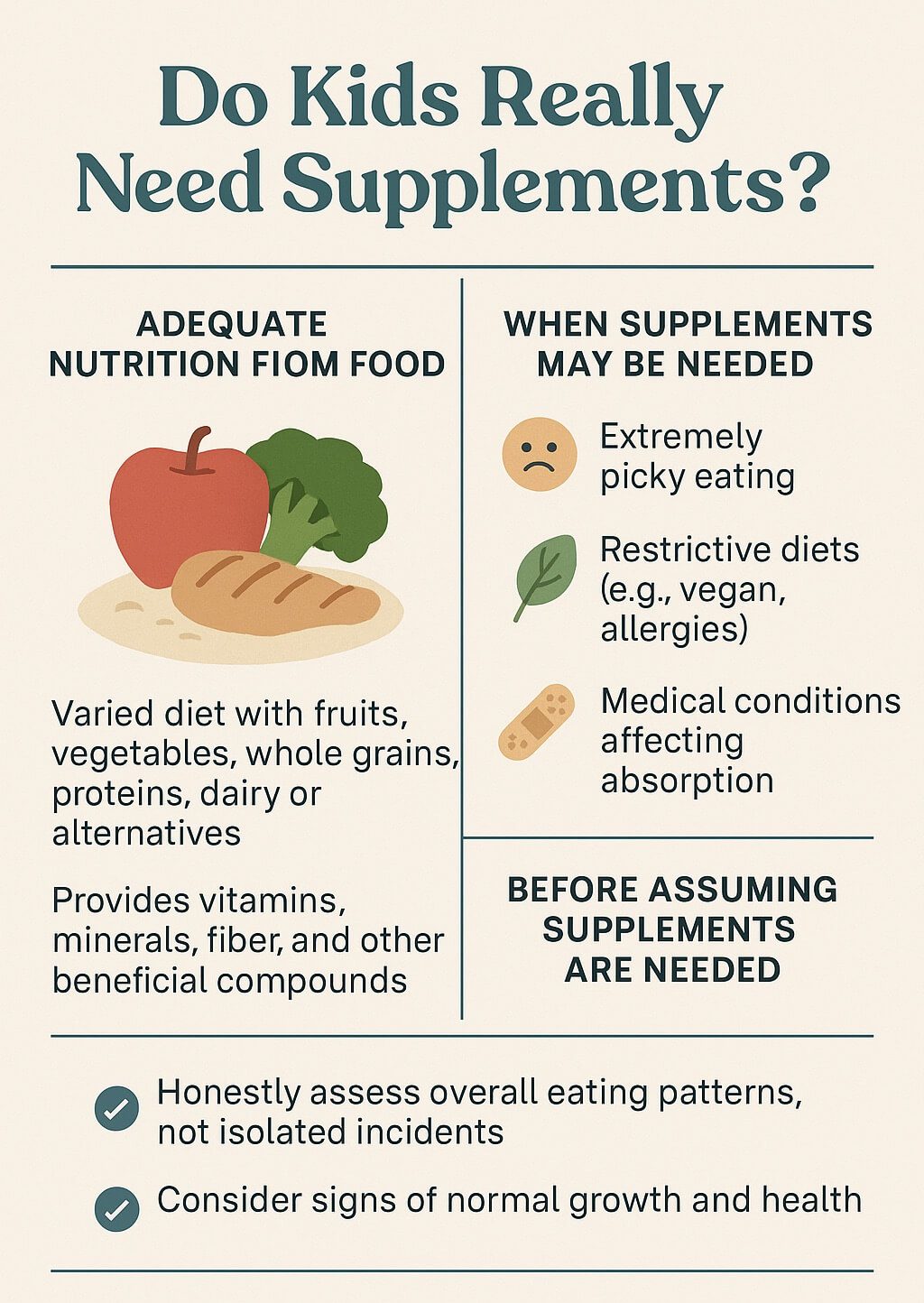
Certain medical conditions affect nutrient absorption or increase nutrient needs. Kids with digestive disorders, chronic illnesses, or taking medications that interfere with nutrient absorption might require supplementation under medical guidance. This is different from just taking vitamins “to be safe.”
The problem is that many parents overestimate how deficient their kids actually are. Your child doesn’t need perfect eating every single day. Kids who eat pizza one day, chicken nuggets the next, then have a decent dinner with some vegetables later in the week are probably getting enough variety over time. Their bodies are surprisingly good at compensating for day-to-day variations.
Before assuming your child needs supplements, honestly assess their actual eating patterns over a week or two. Are they truly avoiding major food groups, or just being annoying about vegetables some days? Are they growing normally, energetic, and generally healthy? These signs matter more than whether they rejected broccoli at dinner last night.
What nutrients do kids actually commonly fall short on?
Even kids who eat relatively well sometimes don’t get enough of certain specific nutrients, which is where targeted supplementation might make sense rather than broad-spectrum multivitamins.
Vitamin D is the most common deficiency among children, regardless of diet quality. Our bodies make vitamin D from sun exposure, but kids spending most of their time indoors, living in northern climates with less intense sun, or having darker skin that requires more sun exposure to produce vitamin D often don’t make enough. Very few foods naturally contain vitamin D in significant amounts, so supplementation is frequently recommended by pediatricians.
Iron deficiency is relatively common, especially in toddlers, teenage girls who’ve started menstruating, and kids who don’t eat much meat. Iron from plant sources isn’t absorbed as efficiently as iron from meat, so vegetarian and vegan kids need to pay extra attention to this nutrient. However, iron supplementation should ideally be done based on actual testing rather than assumptions, because too much iron can cause problems.

Omega-3 fatty acids, particularly DHA and EPA, support brain development and are primarily found in fatty fish. Kids who don’t regularly eat fish might have lower omega-3 levels. Plant sources provide ALA, which converts poorly to DHA and EPA, so supplementation with algae-based omega-3s might benefit kids who avoid fish.
Calcium intake can be low in kids who don’t consume dairy and aren’t eating calcium-fortified alternatives or enough calcium-rich plant foods like leafy greens. Growing bones need adequate calcium, making this nutrient particularly important during childhood and adolescence.
Fiber is technically not a vitamin or mineral, but most American kids don’t get enough. However, fiber supplements are generally less useful than just increasing whole grains, fruits, and vegetables in the diet. The benefits of fiber come partly from the foods that contain it, not just the fiber itself.
Most kids get plenty of other vitamins and minerals from fortified foods they already eat. Breakfast cereals, bread, milk, and orange juice are commonly fortified with various nutrients, meaning your child might be getting more supplementation than you realize just from regular foods.
Will my picky eater actually take plant-based supplements?
The most nutritious supplement in the world is useless if your child refuses to take it, and many plant-based supplements face taste and texture challenges compared to conventional options.
Gummies made with fruit pectin instead of gelatin often have a different texture that some kids find less appealing. They might be firmer, stickier, or chewier than the gelatin gummies kids are used to. Some kids don’t care about this difference, while others reject them immediately.
Plant-based supplements sometimes have earthier or less sweet flavors because they avoid artificial flavorings and excessive sugar. A child accustomed to candy-like conventional vitamins might resist the more subtle fruit flavors of natural alternatives. This is particularly true for powders that kids can taste in their smoothies or drinks.
The fizzy tablets that dissolve in water appeal to some kids as a fun drink, but others dislike the carbonation or find the flavor too strong. Success with these depends heavily on your individual child’s preferences.
One practical approach is requesting samples or buying the smallest size available to test whether your child will actually take a supplement before committing to a large bottle. What works for your friend’s child might be rejected by yours, and there’s no predicting preferences without trying.
Consider also that if your child won’t take the supplement, you haven’t solved anything despite your good intentions and money spent. Sometimes a less-pure conventional supplement that your child will actually consume is more effective than a premium plant-based option that sits unused in your cabinet.
Be honest with yourself about compliance. If taking a daily supplement becomes a battle, the stress might outweigh any nutritional benefit. Supplements work only when they’re actually taken consistently, not when you’re arguing about them daily.
Are plant-based supplements actually safer or healthier?
The perception that plant-based supplements are inherently safer or more natural than synthetic vitamins is appealing but not entirely accurate. Both plant-based and synthetic supplements can be safe and effective when properly manufactured and appropriately dosed.
One real advantage of plant-based supplements is that they often contain beneficial compounds beyond just the isolated vitamins. Whole food extracts include fiber, antioxidants, and phytonutrients that might offer additional benefits. These extras might make the supplement gentler on the digestive system or provide synergistic effects where compounds work better together.
However, plant-based doesn’t guarantee purity or quality. Plants can be contaminated with pesticides, heavy metals from soil, or other impurities unless carefully sourced and tested. The supplement industry is less regulated than pharmaceuticals, so quality varies dramatically between manufacturers regardless of whether products are plant-based or synthetic.
Some plant-based supplements actually contain lower amounts of active nutrients than synthetic versions, requiring larger doses to achieve the same effect. This isn’t necessarily bad, but it’s worth understanding when comparing products. A supplement with lower concentration might need multiple servings to equal one serving of a more concentrated product.
Allergies and sensitivities can occur with plant-based supplements just as with any product. Kids allergic to specific fruits, nuts, or other plant ingredients could react to supplements containing those sources. Always check ingredient lists carefully against your child’s known allergies.
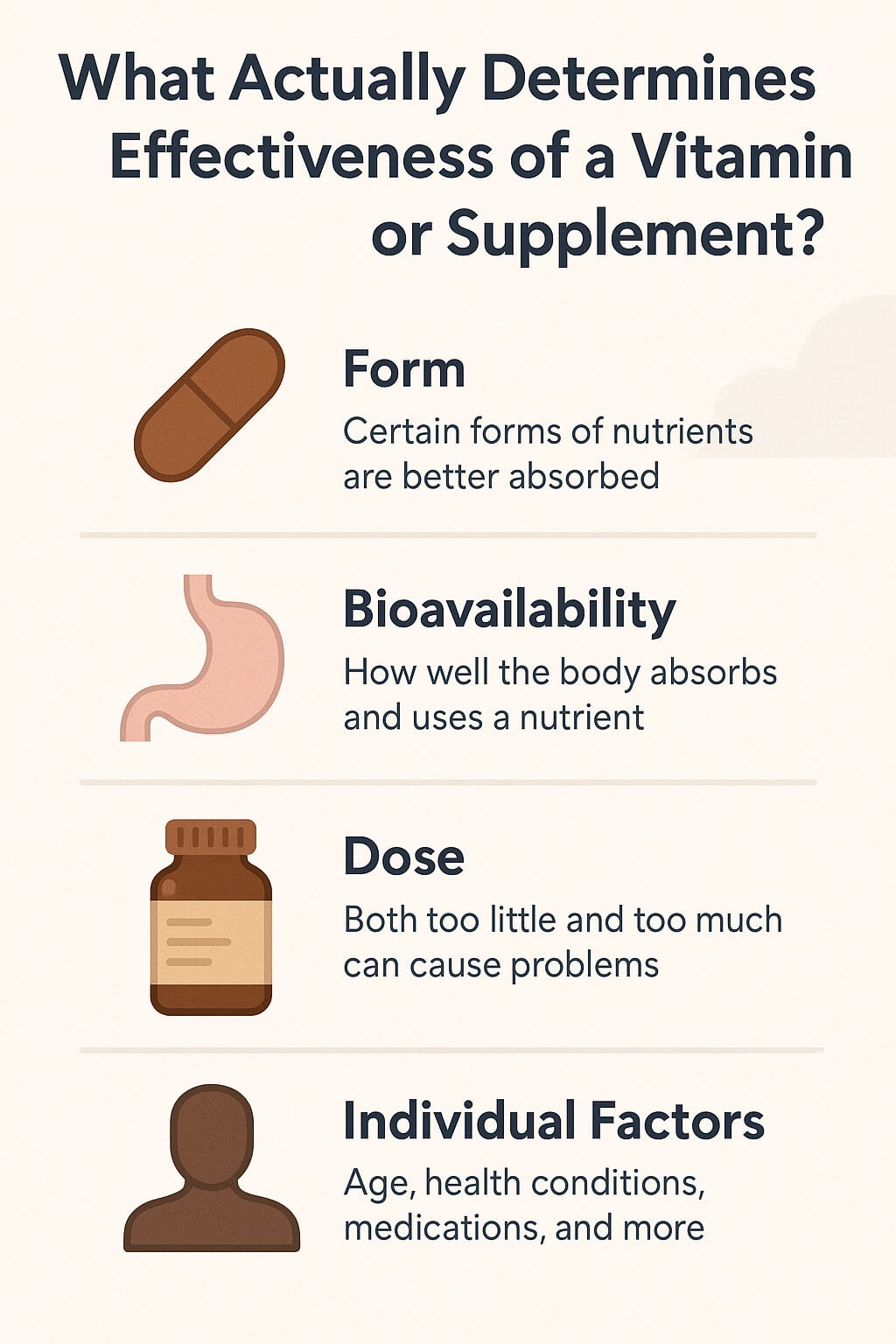
The safety of any supplement depends more on appropriate dosing, quality control, third-party testing, and using it as directed than on whether it’s plant-based versus synthetic. A well-manufactured synthetic vitamin from a reputable company is safer than a poorly made plant-based supplement from a questionable source.
How much do these supplements typically cost and are they worth the price?
Plant-based supplements generally cost significantly more than conventional children’s vitamins, sometimes double or triple the price. This premium pricing reflects the cost of sourcing organic plant materials, extracting and concentrating nutrients, and marketing to health-conscious parents willing to pay more.
A bottle of basic children’s multivitamins might cost ten to fifteen dollars and last two to three months. Plant-based alternatives often run twenty-five to forty dollars for the same duration, and sometimes more for premium options. Specialized supplements like omega-3s or probiotics can be even pricier in plant-based forms.
Whether this cost is worth it depends entirely on your situation. If your child has genuine nutritional gaps that supplementation addresses, and they’ll actually take the plant-based version, then the health benefit might justify the expense. If you’re giving supplements “just in case” to a child who eats reasonably well, you might be spending money that provides little actual benefit.
Consider the opportunity cost. Could that same money be better spent on higher quality whole foods? Organic produce, grassfed meat, or wild-caught fish provide nutrition along with countless other benefits that isolated supplements can’t replicate. Sometimes investing in better food makes more sense than investing in supplements to compensate for lower quality food.
For families on tight budgets, expensive supplements might create financial stress that outweighs any health benefit. Basic synthetic vitamins at a fraction of the cost provide the same core nutrients if supplementation is truly needed. There’s no shame in choosing affordability, and your child won’t suffer from taking conventional vitamins instead of plant-based ones.
Be wary of marketing that makes you feel guilty or inadequate if you don’t buy premium supplements. Companies profit from parents feeling anxious about whether they’re doing enough. Your child’s health depends far more on overall diet quality, sleep, physical activity, and emotional wellbeing than on which specific supplement brand you choose.
Should I just focus on improving my kid’s diet instead?
In almost every case, improving diet quality provides better outcomes than supplementation. Whole foods offer complex nutrition that supplements can’t replicate, along with teaching children healthy eating habits that benefit them for life.
Kids learn eating habits from repeated exposure and watching family members. When you serve vegetables regularly, eat them yourself, and make them a normal part of meals without pressure or punishment, most children eventually accept and even enjoy them. This might take months or years, but it creates lasting change versus the temporary fix of supplements.
Making food fun and involving kids in preparation increases their willingness to try things. A child who helped wash lettuce or tear herbs is more likely to eat the salad or dish containing them. Shopping together and letting them pick one new fruit or vegetable to try creates adventure around food rather than resistance.

Consider whether mealtime stress might be contributing to picky eating. Battles over food often backfire, making kids more resistant. Offering variety without pressure, letting them serve themselves, and trusting them to eat when hungry often works better than forcing bites or bribing with dessert.
Sometimes picky eating relates to sensory sensitivities or oral motor skills rather than simple stubbornness. Kids who gag on certain textures or refuse mixed foods might benefit from occupational therapy evaluation more than supplements. Addressing underlying issues creates real solutions.
That said, diet improvement and supplementation aren’t mutually exclusive. You can work on expanding your child’s food preferences while using targeted supplements to cover bases in the meantime. This approach acknowledges that change takes time while ensuring adequate nutrition during the transition.
The goal is moving toward supplements becoming unnecessary because your child eats well enough to get nutrients from food. Supplements should be a bridge or safety net, not a permanent substitute for actual food.
What do doctors actually recommend about kids and supplements?
Most pediatricians and children’s nutrition experts agree that a food-first approach is ideal, with supplements used only when specific needs are identified.
Pediatricians commonly recommend vitamin D supplementation for most children, regardless of diet, because of how widespread low vitamin D levels are. This recommendation is based on actual testing showing that sun exposure and food sources often aren’t adequate, especially in certain climates and among certain populations.
For children following vegan diets, doctors typically recommend vitamin B12 supplementation or ensuring adequate B12 from fortified foods, as this nutrient only comes from animal products. Similarly, iron and omega-3 supplements might be suggested for vegan kids depending on their specific diet.
Beyond these specific situations, most pediatricians don’t routinely recommend broad-spectrum multivitamins for healthy children eating varied diets. The American Academy of Pediatrics acknowledges that while supplements won’t hurt kids, they’re often unnecessary if diet is adequate.
When doctors do suggest supplements, they typically recommend products that have been tested for purity and accurately labeled for content. Third-party testing by organizations that verify supplement quality matters more than whether something is plant-based or synthetic.
Your pediatrician can order blood tests to check actual nutrient levels if you’re concerned about deficiencies. This objective data is more useful than guessing what your child might need based on their eating habits. Some nutrients can be harmful in excess, making testing important before supplementing.
Be cautious about advice from people selling supplements, whether in health food stores or through social media. Their financial interest in you buying products creates bias that doesn’t exist when you’re consulting with a pediatrician who isn’t profiting from supplement sales.
How do I know if my kid actually needs supplements?
Several signs might indicate genuine nutritional deficiency that warrants investigation and possible supplementation under medical guidance.
Persistent fatigue beyond normal tiredness after active days could suggest anemia from iron deficiency, especially in girls who’ve started menstruating. Pale skin, frequent infections, and poor concentration sometimes accompany low iron levels.
Slow growth or falling off their previous growth curve might indicate inadequate overall nutrition or specific deficiencies. However, growth patterns vary naturally, and not all kids follow the average curve, so this needs medical evaluation rather than parental diagnosis.
Frequent illness with very slow recovery times might suggest immune system issues related to nutrition, though illness patterns can relate to many factors including daycare exposure, sleep quality, and stress levels.
Delayed development, learning difficulties, or behavioral issues sometimes relate to nutritional factors, though usually other causes are more likely. Nutritional deficiencies severe enough to cause these symptoms are relatively rare in developed countries.
Extreme restrictive eating where a child only accepts a handful of foods and refuses to try anything new for months might create real deficiency risk. This differs from normal picky eating where kids refuse vegetables but eat other food groups adequately.
Honest self-assessment helps too. Are you worried because your child isn’t eating perfectly, or because they’re truly limiting themselves severely? Are they growing, energetic, and developing normally despite food pickiness? Sometimes parental anxiety doesn’t match actual nutritional status.
When in doubt, discuss concerns with your pediatrician rather than self-prescribing supplements. A medical evaluation can identify whether real deficiencies exist or whether your child is actually getting adequate nutrition despite your worries.
What’s the bottom line on plant-based supplements for kids?
Plant-based supplements are neither miracle solutions nor complete wastes of money. Their value depends entirely on your child’s specific nutritional needs, whether they’ll actually take the supplement, and whether the higher cost fits your budget.
For most children eating reasonably varied diets, basic whole foods provide better nutrition than any supplement. The money and effort spent on premium supplements might be better invested in higher quality ingredients, involving kids in cooking, or addressing underlying reasons for food refusal.
For children with genuine nutritional gaps—whether from restrictive diets, medical conditions, or severe picky eating—targeted supplementation makes sense. Whether those supplements need to be plant-based versus conventional depends on your dietary philosophy, allergies, and budget rather than significant health differences.
The supplement industry thrives on parental anxiety and the desire to do everything possible for your kids. Marketing creates needs that don’t necessarily exist. Before buying any supplement, ask yourself whether you’re solving a real problem or responding to manufactured worry about not doing enough.
Remember that your child’s health is built on the foundation of overall lifestyle—adequate sleep, physical activity, emotional security, and reasonably nutritious food most of the time. Supplements are minor supporting players, not starring roles, in the bigger picture of raising healthy kids.
Trust yourself, trust your pediatrician’s guidance, and trust that most kids are more resilient than we give them credit for. They don’t need perfect nutrition every day to thrive, and you don’t need expensive supplements to be a good parent.