If you’re worried about developing diabetes, this could be the game-changer you’ve been looking for. A major new study shows that combining a Mediterranean diet with simple lifestyle changes can slash your diabetes risk by 31% – and you don’t need to lose tons of weight to see results.
With 1 in 10 Americans now living with diabetes and 24.2% of adults with obesity having diabetes, finding effective prevention strategies has never been more critical. The good news? You have more control over your diabetes risk than you might think.
What is the Mediterranean Diet and Why Does it Work?
The Mediterranean diet isn’t just another fad – it’s based on the traditional eating patterns of countries like Greece, Italy, and Spain, where people have lower rates of heart disease and diabetes. Think of it as eating the way your great-grandmother might have: real, whole foods with minimal processing.
Here’s what makes this diet special for diabetes prevention:
The Core Foods:
- Fresh fruits and vegetables (aim for 5-9 servings daily)
- Whole grains like oats, brown rice, and whole wheat bread
- Healthy fats from olive oil, nuts, and avocados
- Fish and seafood (2-3 times per week)
- Beans, lentils, and legumes
- Moderate amounts of dairy and eggs
- Limited red meat (maybe once or twice a week)
The Mediterranean diet has been shown to help prevent diabetes through several important mechanisms. Research indicates that following this eating pattern is linked to a 19% lower risk of developing type 2 diabetes.
One reason is that it helps reduce inflammation in the body. Chronic inflammation can interfere with insulin function, making it harder for your system to regulate blood sugar properly. By lowering inflammation, the diet supports healthier insulin activity.
It also improves insulin sensitivity, which means your cells become more efficient at using blood sugar for energy. This helps prevent glucose from building up in your bloodstream.
Another benefit is that Mediterranean diet staples, like whole grains, vegetables, and legumes, provide steady energy through fiber-rich foods. These foods digest slowly, avoiding sharp spikes in blood sugar levels.
Finally, this way of eating supports healthy weight management without relying on extreme restrictions. A balanced weight further reduces the risk of insulin resistance and type 2 diabetes.
The Breakthrough Study: 31% Lower Diabetes Risk
The latest research, published in August 2025 in the Annals of Internal Medicine, tracked nearly 4,800 older adults in Spain over six years. Half of the participants followed a Mediterranean diet combined with lifestyle changes such as cutting about 600 calories a day, engaging in moderate exercise, and receiving professional support. This group saw their risk of developing diabetes drop by 31%.
What makes this study stand out is its scale and design. It is one of the largest diabetes prevention studies ever conducted, involving participants who were real people facing genuine risk factors like being overweight and older in age. Importantly, the benefits appeared even with modest weight loss—just seven pounds on average.
Overall, the approach prevented three out of every 100 participants from developing diabetes. These results highlight how powerful and realistic lifestyle-based interventions can be in reducing the risk of type 2 diabetes.
Current Diabetes Statistics in America: Why This Matters
The diabetes crisis in America is getting worse every year. Here are the facts every American should know:
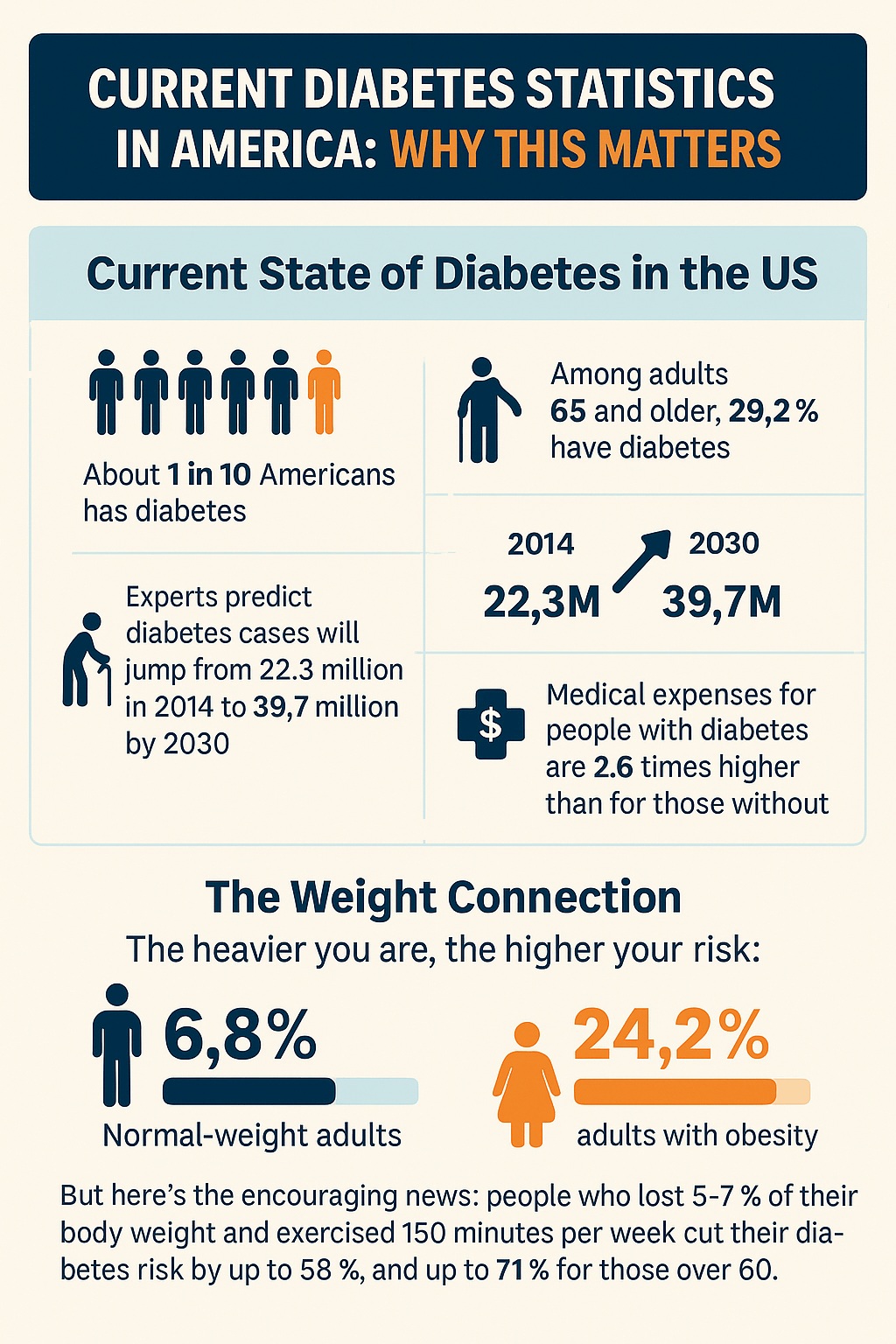
Current State of Diabetes in the US:
| Current State of Diabetes in the US | Details |
|---|---|
| Prevalence in general population | About 1 in 10 Americans has diabetes |
| Prevalence in older adults (65+) | 29.2% of adults 65 and older have diabetes |
| Future projections | Cases expected to rise from 22.3 million (2014) to 39.7 million by 2030 |
| Medical expenses | 2.6 times higher for people with diabetes compared to those without |
The Weight Connection: The heavier you are, the higher your risk: 6.8% of normal-weight adults have diabetes, compared to 24.2% of adults with obesity. But here’s the encouraging news: people who lost just 5-7% of their body weight and exercised 150 minutes per week cut their diabetes risk by up to 58%, and up to 71% for those over 60.
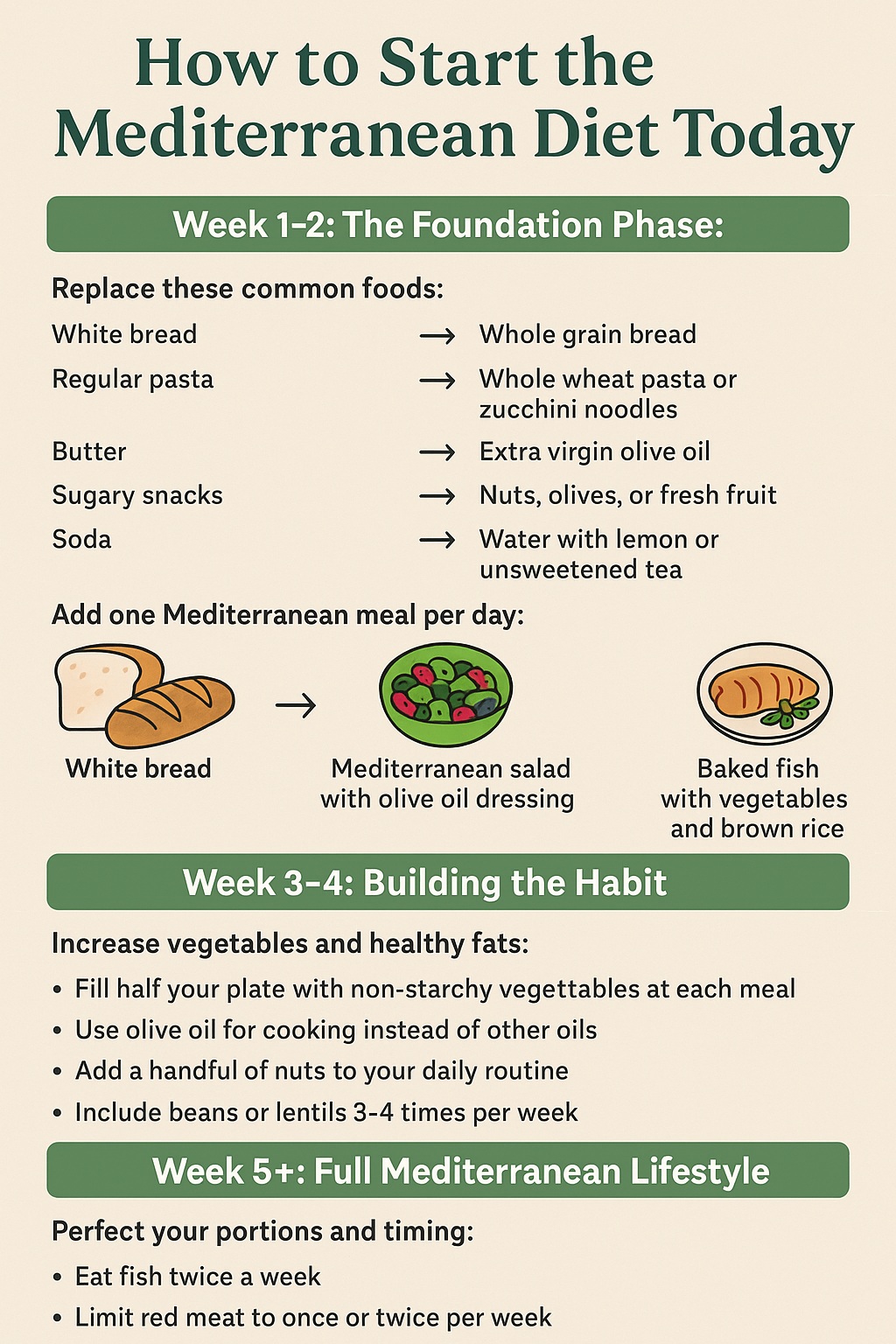
How to Start the Mediterranean Diet Today
Starting this eating pattern doesn’t require a complete kitchen overhaul. Here’s your practical, step-by-step guide:
The study showed that participants who reduced their diabetes risk the most didn’t rely on diet alone—they also added moderate exercise. The encouraging part is that “moderate” doesn’t mean training for a marathon. It’s about consistent, manageable activity that fits into daily life.
What Counts as Moderate Exercise?
Moderate activity can take many forms. Brisk walking for about 30 minutes, five days a week, is one of the simplest and most effective choices. Light strength training two to three times per week—whether with body weight or light dumbbells—also makes a big difference. Even everyday activities like climbing stairs, gardening, dancing, or playing with your kids count toward the goal. Altogether, the aim is to reach about 150 minutes of movement per week.
Why Exercise Makes a Difference
Exercise supports blood sugar management in several important ways. First, it improves insulin sensitivity, allowing your muscles to use blood sugar more efficiently. It also helps with weight management since muscle tissue burns more calories than fat. Beyond physical effects, movement reduces stress—important because chronic stress raises blood sugar—and it improves sleep quality, which has a direct impact on diabetes risk.
Scientific Evidence: Multiple Studies Confirm the Benefits
The Mediterranean diet isn’t just a one-study wonder. Research on Mediterranean diet and diabetes has shown steady growth, with over 2,806 studies published between 2014-2024. Here’s what the science shows:
Long-term Studies:
- The ATTICA study followed people for 20 years and found long-term Mediterranean diet adherence significantly reduces diabetes risk
- Analysis of eight major studies with 122,810 people found 19% lower diabetes risk with higher Mediterranean diet adherence
- Multiple studies show up to 23% reduction in type 2 diabetes risk
Why It Works Better Than Other Diets: Stanford researchers compared Mediterranean and ketogenic diets for diabetes management and found the Mediterranean diet was as effective as keto but much easier to stick with long-term.
Real-World Application: Making It Work for American Families
Let’s be honest – not everyone lives near a Mediterranean Sea or has access to fresh octopus. Here’s how to adapt this diet for typical American lifestyles and budgets:
Budget-Friendly Mediterranean Swaps
Eating a Mediterranean diet doesn’t have to be expensive. Simple swaps can make it budget-friendly while keeping all the health benefits intact. For example, canned salmon is an affordable alternative to fresh fish and still provides valuable omega-3s, especially if you choose wild-caught options. Frozen vegetables are just as nutritious as fresh and often more affordable, particularly when certain produce is out of season. Buying dried beans and lentils in bulk is another cost-effective way to add protein and fiber to meals, while choosing seasonal fruits and vegetables helps cut costs and maximize freshness. Even olive oil, a cornerstone of the Mediterranean diet, doesn’t have to be premium—store-brand varieties still deliver the same heart-healthy benefits.
Family-Friendly Meals
Breakfast at a Glance
-
Oatmeal with berries, nuts, honey
-
Whole grain toast with avocado + tomato
-
Greek yogurt parfait with fruit + granola
-
Vegetable omelet in olive oil
Lunch Quick Picks
-
Mediterranean wrap (hummus, veggies, lean protein)
-
Bean & veggie soup with whole grain bread
-
Greek salad with chickpeas & feta
-
Lentil salad with olive oil dressing
Dinner Table Favorites
-
Baked chicken + roasted vegetables + quinoa
-
Fish tacos with cabbage slaw in whole wheat tortillas
-
Veggie pasta with olive oil & a touch of cheese
-
Bean & vegetable chili with cornbread
Meal Prep in Two Hours (Sunday Strategy)
| Task | Why It Helps |
|---|---|
| Cook a big batch of brown rice or quinoa | Base for quick meals all week |
| Roast a variety of vegetables | Ready-to-go sides or salad toppers |
| Prepare a large salad (keep dressing separate) | Easy grab-and-go lunches |
| Cook beans or lentils | Protein source for soups, wraps, and bowls |
| Pre-portion nuts & fruit | Healthy snacks, no over-snacking |
🌿 Beyond Diabetes: The Mediterranean Diet Advantage
🫀 Heart Health
✨ 23% lower risk of overall mortality
✨ Improved blood pressure & cholesterol
✨ Lower inflammation markers
✨ Stronger, healthier blood vessels
🧠 Brain Health
✨ Sharper cognitive performance
✨ Reduced risk of dementia
✨ Better mood & resilience
✨ Stronger memory and focus
⚖️ Weight Management
✨ Steady, sustainable weight loss
✨ Natural appetite control
✨ Improved metabolism efficiency
✨ Targeted reduction in belly fat
Common Mistakes to Avoid
Even with the best intentions, people make mistakes when starting the Mediterranean diet. Here are the most common pitfalls and how to avoid them:
Mistake 1: Thinking It’s a Free-for-All
The Problem: Some people think Mediterranean means unlimited pasta and bread.
The Solution: Focus on vegetables, healthy fats, and lean proteins. Grains should be whole grains and eaten in reasonable portions.
Mistake 2: Ignoring Portion Sizes
The Problem: Even healthy foods have calories.
The Solution: The successful study participants reduced calories by about 600 per day while following the diet.
Mistake 3: Skipping the Exercise
The Problem: Diet alone isn’t as effective as diet plus exercise.
The Solution: Start with just 10-15 minutes of walking daily and gradually increase.
Mistake 4: Going All-or-Nothing
The Problem: Trying to change everything at once often leads to giving up.
The Solution: Make gradual changes and focus on progress, not perfection.
Addressing Concerns: Is This Diet Right for Everyone?
The Mediterranean diet is widely recognized as safe and beneficial for most people, but there are situations where it’s important to consult a healthcare provider before making major changes. For example, individuals who take medication for diabetes or blood pressure should confirm that dietary adjustments won’t interfere with their treatment. Those with kidney disease may need to monitor protein and potassium intake carefully, while people with gallbladder disease should be cautious with the higher fat content of the diet. It’s also essential for anyone with food allergies—such as to nuts, fish, or other Mediterranean staples—to plan suitable alternatives.
For people with specific needs, the Mediterranean diet can be adapted without losing its core benefits. Vegetarians can emphasize beans, lentils, nuts, and dairy as primary protein sources. Those with heart disease may want to prioritize omega-3 rich foods like fish and limit sodium intake. Individuals with digestive sensitivities should gradually introduce high-fiber foods to avoid discomfort. And for households on a tight budget, frozen vegetables, canned goods, and buying staples in bulk can make this lifestyle affordable without sacrificing nutrition.
The Professional Support Factor
Participants in the study who received professional support achieved better results than those who made changes on their own. The good news is that getting help doesn’t have to mean hiring expensive nutritionists—there are many accessible options available. Support can come from your doctor or nurse practitioner, registered dietitians at local hospitals, or community health centers. Online diabetes prevention programs, local or virtual support groups, and even mobile apps that track food and exercise also provide guidance and accountability at little or no cost.
Professional support makes a difference because it goes beyond general advice. It offers personalized meal planning tailored to your needs and lifestyle, while also giving you accountability and motivation to stay consistent. Supportive professionals or programs can help troubleshoot challenges, whether that means adjusting food choices, managing cravings, or finding realistic alternatives. They also provide monitoring of key health markers and adjust strategies as your progress evolves. This combination of structure, encouragement, and adaptability can significantly increase the likelihood of long-term success.
Long-term Success: Making It a Lifestyle
The Mediterranean diet is most effective when it becomes part of your daily routine rather than a short-term fix. Research consistently shows that people who stick with it over time see greater benefits, proving that consistency matters far more than perfection. Small, sustainable changes create a foundation for long-term health.
One of the best ways to stay consistent is to focus on systems rather than rigid goals. For example, instead of aiming to “lose 20 pounds,” shift the focus to “include vegetables at every meal.” Rather than banning dessert completely, choose fruit for dessert most days. Instead of demanding daily workouts, commit to something manageable like taking a walk after dinner. These small systems keep progress steady without feeling restrictive.
Tracking progress also helps reinforce positive habits. Weekly measurements, beyond just weight, can show real changes in your body over time. Monitoring energy levels and sleep quality provides insight into how well your lifestyle is supporting your overall health. If you’re at risk for diabetes, checking blood sugar levels is another meaningful way to track improvements. Even a simple food diary can highlight patterns, while celebrating small victories keeps motivation high.
Of course, setbacks are inevitable, but they don’t have to derail your progress. Everyone has days—or even weeks—when sticking to healthy habits feels difficult. The key is to get back on track quickly. Don’t let one indulgent meal spiral into a bad week; instead, focus on making your very next choice a good one. Remind yourself of why you started, whether it’s your health, your family, or simply wanting to feel better. Most importantly, see setbacks as opportunities to learn and adjust, not as failures.
Frequently Asked Questions
How quickly will I see results from the Mediterranean diet?
Most people notice improved energy levels and better digestion within 2-3 weeks. Blood sugar improvements typically show up in 6-8 weeks, while significant diabetes risk reduction develops over months to years of consistent following the diet. The major study tracked participants for six years to see the full 31% risk reduction.
Can I follow the Mediterranean diet if I don’t like fish?
Absolutely. While fish provides important omega-3 fatty acids, you can get similar benefits from walnuts, flax seeds, chia seeds, and algae-based omega-3 supplements. Focus on the other components: vegetables, fruits, whole grains, beans, nuts, and olive oil.
Is the Mediterranean diet expensive to follow?
It can be budget-friendly if you focus on affordable staples like beans, lentils, seasonal vegetables, canned fish, and buying in bulk. The health benefits – including potential 58% diabetes risk reduction – can save thousands in future medical costs.
How much weight do I need to lose to reduce diabetes risk?
Studies show that losing just 5-7% of your body weight significantly reduces diabetes risk. For someone weighing 200 pounds, that’s only 10-14 pounds. The Mediterranean diet study participants averaged just 7 pounds of weight loss but still saw major benefits.
Can children and teenagers follow the Mediterranean diet?
Yes, the Mediterranean diet is excellent for growing children and teens. It provides all necessary nutrients for development while establishing healthy eating patterns. Focus on variety and adequate calories for growth, and consult your pediatrician if you have concerns.
What if I have prediabetes – can this diet still help?
Definitely. Research specifically shows the Mediterranean diet is effective for prediabetes management and prevention of progression to type 2 diabetes. Many people with prediabetes can prevent or delay diabetes onset through dietary changes and exercise.
Do I need to drink wine as part of the Mediterranean diet?
No, wine is optional and not necessary for health benefits. If you don’t drink alcohol, don’t start. If you do drink, moderate consumption (one glass per day for women, two for men) with meals may provide some benefits, but the diet works without alcohol.
How does the Mediterranean diet compare to other popular diets for diabetes prevention?
Research comparing Mediterranean and ketogenic diets found both effective for blood sugar control, but the Mediterranean diet was much easier to maintain long-term. Studies consistently show up to 23% diabetes risk reduction with Mediterranean diet adherence.
Can I still eat out at restaurants while following this diet?
Yes, with smart choices. Look for grilled fish or chicken, ask for olive oil instead of butter, choose whole grain options when available, and load up on vegetables. Most restaurants can accommodate Mediterranean-style requests.
What’s the most important component of the Mediterranean diet for diabetes prevention?
While the whole pattern works best together, the combination of high fiber intake from vegetables and whole grains, healthy fats from olive oil and nuts, and regular physical activity appears most critical. The study showed the biggest benefits came from combining the diet with exercise and modest calorie reduction.
How long do I need to follow this diet to prevent diabetes?
The Mediterranean diet is meant to be a permanent lifestyle change rather than a temporary diet. Long-term studies following people for 20 years show the greatest benefits with sustained adherence. However, some benefits begin within weeks of starting.
Are there any side effects from switching to the Mediterranean diet?
Most people experience only positive effects, but some may have temporary digestive adjustments from increased fiber intake. Start gradually with high-fiber foods and drink plenty of water. If you’re taking medications, consult your doctor as your improved health may require dosage adjustments.
References and Sources
Primary Research Study
- Mediterranean Diet Reduces Diabetes Risk by 31% – Annals of Internal Medicine, August 2025
News Coverage: CNN Health | ABC News | Fox News
Diabetes Statistics
- CDC National Diabetes Statistics Report 2024
https://www.cdc.gov/diabetes/php/data-research/index.html - CDC Diabetes FastStats
https://www.cdc.gov/nchs/fastats/diabetes.htm
Supporting Research
- Mediterranean Diet and Type 2 Diabetes Prevention Meta-Analysis
https://pmc.ncbi.nlm.nih.gov/articles/PMC7468821/ - Mediterranean Diet Research Analysis (2014-2024)
https://www.frontiersin.org/journals/nutrition/articles/10.3389/fnut.2024.1480856/full - Stanford Medicine: Mediterranean vs. Ketogenic Diet Study
https://med.stanford.edu/news/all-news/2022/070/keto-mediterranean-diet-diabetes.html
Health Authority Guidelines
- American Diabetes Association Standards of Care 2024
https://diabetesjournals.org/care/issue/47/Supplement_1 - European Research Council – Diabetes Prevention Study
https://erc.europa.eu/news-events/news/mediterranean-diet-combined-calorie-reduction-and-exercise-lowers-diabetes-risk-31
Additional Medical Research
- Cardiovascular Diabetology – Long-term Mediterranean Diet Study
https://cardiab.biomedcentral.com/articles/10.1186/s12933-023-01994-2 - NCBI Diabetes Prevalence Data 2021-2023
https://www.ncbi.nlm.nih.gov/books/NBK612760/