Fruits That Help Reduce Cholesterol and What to Avoid
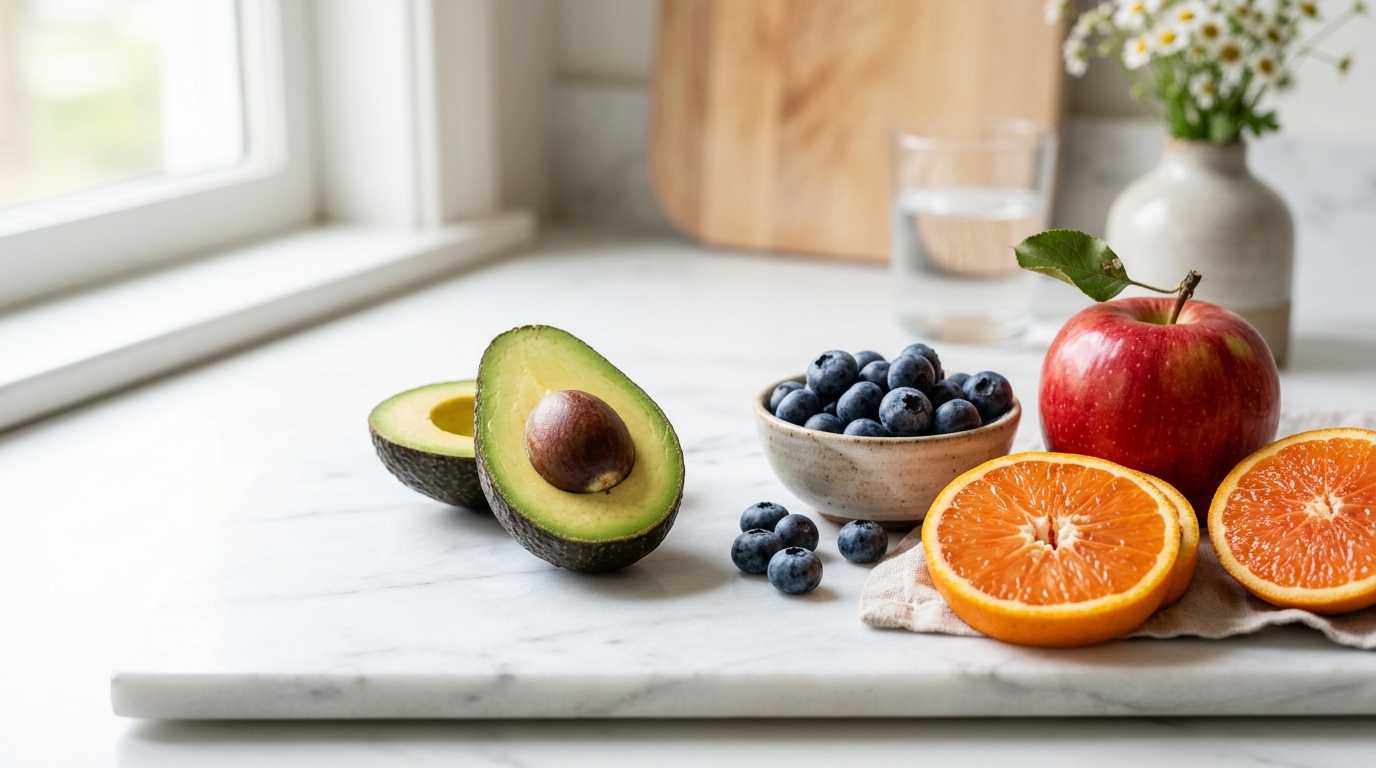
High LDL cholesterol is one of the most modifiable cardiovascular risk factors — and fruit, often overlooked in clinical nutrition discussions, offers some of the most evidence-backed dietary interventions. The mechanism goes well beyond simple "eating healthy." Specific fruits contain compounds that actively interfere with cholesterol absorption, LDL oxidation, bile acid reuptake, and hepatic cholesterol synthesis. Here is what the research actually shows.
How Cholesterol Works — and Why Diet Matters
Cholesterol is not inherently dangerous. It is essential for cell membrane structure, steroid hormone production, and bile acid synthesis. The problem arises when LDL particles (which carry cholesterol to cells) become elevated and oxidized, enabling them to lodge in arterial walls and trigger the inflammatory cascade that leads to atherosclerosis.
The liver produces roughly 75–80% of circulating cholesterol; diet accounts for the remaining 20–25%. However, dietary interventions work not only by limiting cholesterol intake but by affecting how much the body reabsorbs, how efficiently the liver clears LDL, and how susceptible LDL particles are to oxidation. Certain fruits target all three pathways simultaneously.
Avocado: The Cholesterol-Lowering Fruit Most People Don't Count as a Fruit
Avocado is botanically a fruit, and it is one of the most thoroughly studied foods in cardiovascular nutrition. A 2015 randomized controlled trial published in the Journal of the American Heart Association compared three diets — a low-fat diet, a moderate-fat diet without avocado, and a moderate-fat diet including one avocado per day. The avocado diet produced the greatest reduction in LDL cholesterol (−13.5 mg/dL) and also significantly reduced oxidized LDL, which is the more dangerous form.
The mechanisms are well-established. Avocados provide beta-sitosterol (a plant sterol that competes with dietary cholesterol for absorption in the gut), monounsaturated oleic acid (which improves the LDL-to-HDL ratio), and lutein (which reduces LDL oxidation). A single avocado contains approximately 76 mg of beta-sitosterol — more than most plant sterol-fortified foods.
Apples: Pectin, Polyphenols, and the Bile Acid Binding Effect
Apples are one of the best-studied fruits for LDL reduction, with the primary mechanisms being soluble fiber (pectin) and a specific polyphenol called phloridzin.
Pectin is a soluble fiber that forms a gel in the intestine, binding to bile acids and preventing their reabsorption. Since the liver uses cholesterol to make new bile acids, this forces hepatic cholesterol consumption — effectively pulling cholesterol out of circulation. Research published in the European Journal of Nutrition found that consuming two apples per day for 8 weeks reduced LDL cholesterol by 4% and oxidized LDL by 20% in adults with mild hypercholesterolemia.
One medium apple provides approximately 4 grams of fiber (2–3 grams of which is pectin) and 2 grams coming from the skin. Eating apples with the skin intact delivers significantly more cholesterol-lowering benefit than peeled apples or apple juice, which has had most of the fiber and polyphenols removed.
Berries: Anthocyanins and LDL Oxidation Prevention
Blueberries, strawberries, raspberries, and blackberries are rich in anthocyanins — water-soluble pigments that give them their deep colors and that have been shown to reduce LDL oxidation and improve HDL function.
A 2019 randomized trial published in the American Journal of Clinical Nutrition found that consuming 150g of blueberries daily for 6 months reduced cardiovascular disease risk by 12–15% in people with metabolic syndrome. LDL oxidation fell significantly, and HDL function improved. The researchers noted that anthocyanins appear to upregulate the ABCA1 transporter, which facilitates reverse cholesterol transport — moving cholesterol from peripheral tissues back to the liver for elimination.
Strawberries specifically have been shown to reduce total cholesterol and triglycerides in controlled trials. A 2021 meta-analysis in Nutrients examining 11 randomized controlled trials found that strawberry consumption significantly reduced LDL cholesterol (pooled reduction of −5.6 mg/dL) and triglycerides.
Citrus Fruits: Hesperidin, Naringenin, and Pectin
Oranges, grapefruit, lemons, and tangerines contain two important classes of compounds for cholesterol management: soluble pectin fiber and flavonoids (specifically hesperidin in oranges and naringenin in grapefruit).
A clinical trial published in the American Journal of Clinical Nutrition found that consuming hesperidin supplementation equivalent to three oranges daily significantly reduced diastolic blood pressure and LDL cholesterol in overweight adults. The mechanism involves inhibition of HMG-CoA reductase — the same enzyme targeted by statin medications, though with much smaller effect sizes.
Grapefruit deserves special mention. It contains naringenin, which reduces hepatic cholesterol synthesis and has been shown to lower LDL by 10–15% in animal studies. However, grapefruit also contains furanocoumarins that inhibit the CYP3A4 enzyme — the liver enzyme responsible for metabolizing many medications including statins. Anyone taking statin therapy or other cardiovascular medications should consult their physician before consuming grapefruit regularly, as it can significantly increase medication blood levels.
Pomegranate: Punicalagins and Arterial Plaque Reversal
Pomegranate is one of the most antioxidant-rich fruits measured by ORAC (oxygen radical absorbance capacity), with values three to four times higher than red wine or green tea. The key compounds are punicalagins and punicic acid, which have demonstrated exceptional ability to reduce LDL oxidation.
A 3-year clinical trial published in the journal Clinical Nutrition found that patients with carotid artery stenosis who consumed 50 mL of pomegranate juice daily showed a 30% reduction in LDL oxidation and, remarkably, a 35% reduction in carotid intima-media thickness (a measure of arterial plaque) compared to placebo. The control group showed an 18% increase in plaque thickness over the same period.
Pomegranate juice is effective, but it is calorie-dense and high in sugar — roughly 130 calories and 31 grams of sugar per cup. The whole fruit (seeds and all) provides more fiber, lower sugar per serving, and the same polyphenols. Pomegranate seed powder supplements have also been studied and appear effective at lower volumes.
Fruits to Approach Carefully If Managing Cholesterol
Not all fruits are equal for cholesterol management. Some deserve caution:
Dried fruits (raisins, dried mango, dates) are concentrated sources of sugar. When consumed in large quantities, excess fructose is converted by the liver to triglycerides and VLDL particles, which raises circulating triglycerides and indirectly raises LDL. A small handful (30g) is a reasonable serving; larger portions can work against cholesterol management goals.
Fruit juices — even 100% juice with no added sugar — remove most of the fiber and concentrate the sugars of multiple pieces of fruit into one glass. Without fiber, the sugar is absorbed rapidly, creating a larger insulin response and greater hepatic fructose load. Whole fruit consistently outperforms juice in cardiovascular studies.
High-fructose tropical fruits like mangoes, pineapples, and bananas are nutritious but higher in sugar than berries, apples, or citrus. They are fine in normal serving sizes but should be balanced with lower-sugar fruit choices when actively working to improve lipid panels.
The Most Effective Fruit-Based Strategy for LDL Reduction
Based on the totality of evidence, the highest-impact approach combines fruits with complementary mechanisms:
Eating one to two servings of berries daily (blueberries, strawberries) addresses LDL oxidation. One apple daily (with skin) provides pectin for bile acid binding. One avocado three to four times weekly adds plant sterols and oleic acid. Citrus fruits two to three times weekly contribute hesperidin and additional pectin. Adding pomegranate juice (50–60 mL, not a full cup) two to three times weekly completes the anti-oxidation and plaque-stabilizing effect.
In a 2020 review of dietary interventions for dyslipidemia, researchers estimated that a high-fruit diet with an emphasis on these specific categories could reduce LDL cholesterol by 10–15% — comparable to low-dose statin therapy in some populations, with no side effects and substantial additional cardiovascular benefits from the phytonutrients.
Frequently Asked Questions
How long does it take for fruit to lower cholesterol?
Most controlled trials showing measurable LDL reductions from fruit consumption run 4 to 12 weeks, with significant effects typically appearing after 6 to 8 weeks of consistent daily intake. Pomegranate studies showing arterial changes ran for 1 to 3 years. For lipid panel improvements noticeable on a blood test, expect 2 to 3 months of consistent dietary changes before re-testing.
Can fruit alone lower cholesterol enough to avoid medication?
For mild to moderate hypercholesterolemia (LDL in the range of 130–160 mg/dL with no other major risk factors), dietary changes including increased fruit consumption can produce meaningful reductions. For high-risk individuals — those with cardiovascular disease, diabetes, or LDL above 190 mg/dL — dietary intervention alone is usually insufficient, and medication is recommended alongside dietary improvement. Always make this decision with a physician who can assess your full cardiovascular risk profile.
Combining cholesterol-lowering fruits with other dietary strategies amplifies heart health benefits. Explore our guide on eating chicken every day to understand how lean protein fits into a heart-healthy diet alongside these fruits. For convenient, cholesterol-conscious snack ideas, our list of healthy snacks for weight loss features options that are naturally low in saturated fat.
Are plant sterol supplements as effective as getting sterols from fruit?
Plant sterols in supplement form (typically 1.5–3g per day, per the American Heart Association's recommendation) are well-studied and reduce LDL by 7–12% in clinical trials. Avocados provide approximately 76mg of beta-sitosterol per fruit — a meaningful amount but far below supplement doses. For people specifically targeting LDL with plant sterols, supplementation provides more consistent dosing. However, food sources like avocado also bring fiber, healthy fats, and other compounds that supplements do not replicate.


Comments
Post a Comment